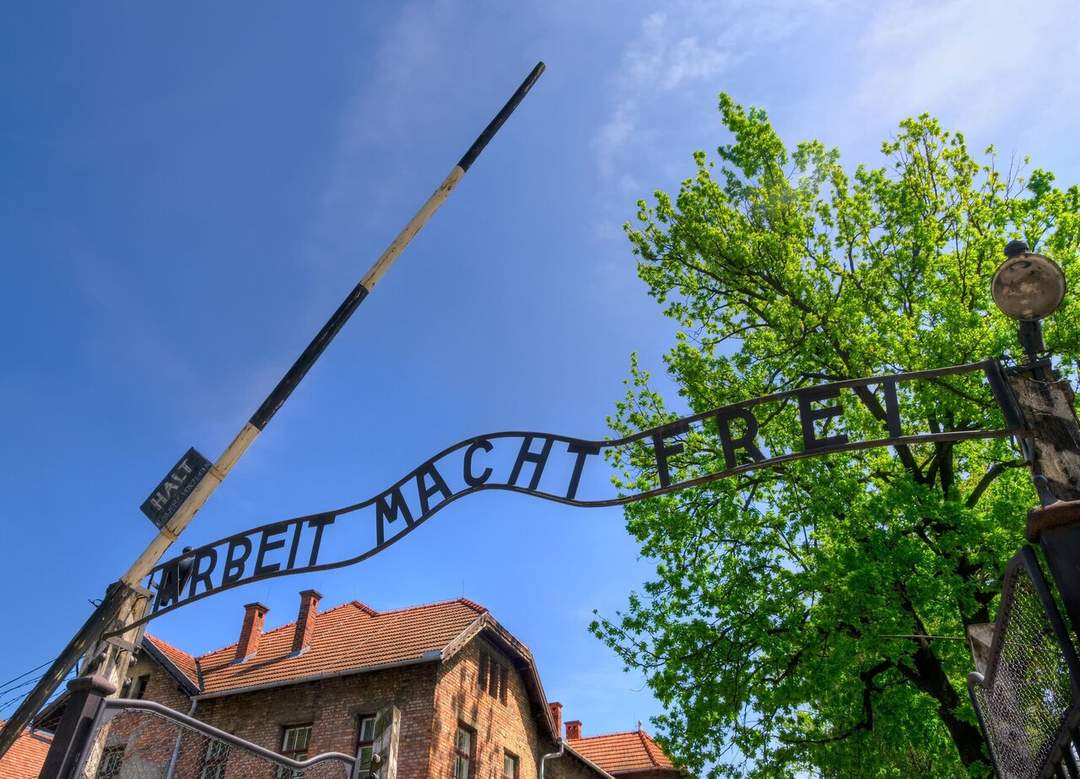
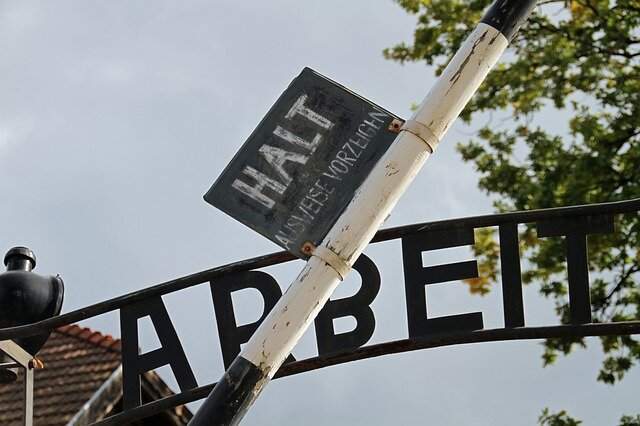
80th Anniversary of the Liberation of Auschwitz – Commemorating the Victims and Passing the Message to Future Generations
Remembering the Liberation of the Camp
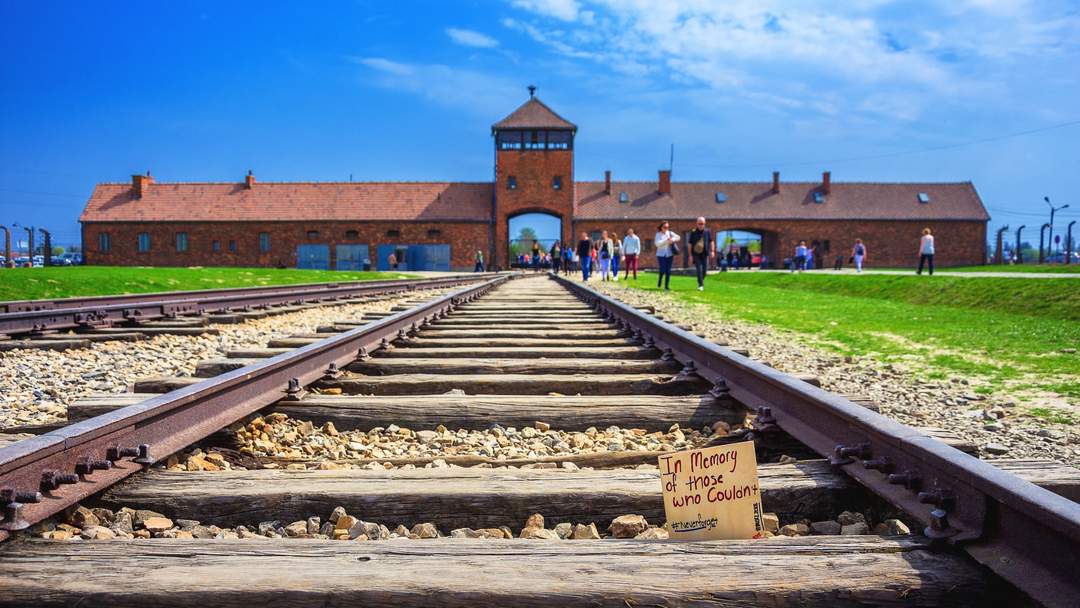
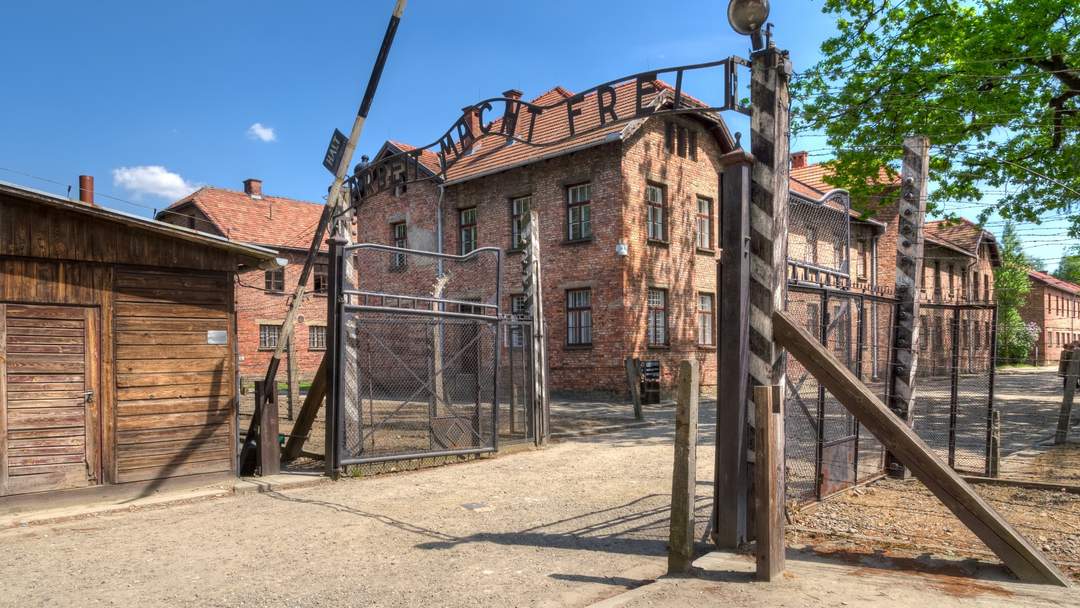
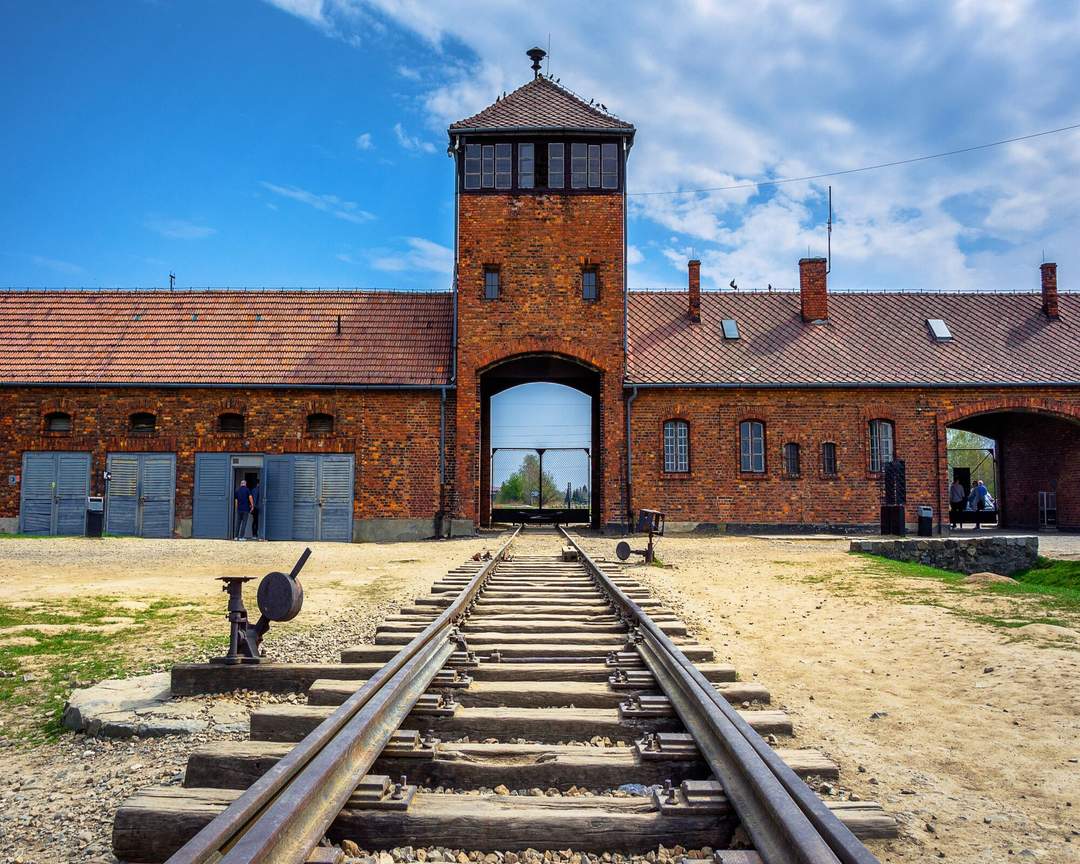
On January 27, 1945, the Red Army liberated the Nazi German concentration and extermination camp of Auschwitz-Birkenau. This moment became one of the most significant symbols of the end of World War II and the tragedy of the Holocaust. Since then, annual commemorations have taken place to honor the victims and remind the world of the devastating consequences of hatred, anti-Semitism, and totalitarianism.
The 2024 commemoration marked the 80th anniversary of the liberation of Auschwitz. The event gathered survivors, world leaders, and delegations from various countries, all of whom paid tribute to the victims and emphasized the importance of historical memory. The full recording of the official ceremony can be watched here:
▶️ 80th Anniversary of the Liberation of Auschwitz – Official Ceremony
The Course of the Ceremony
The official commemoration took place at the Auschwitz-Birkenau Memorial and Museum and began with symbolic acts of remembrance. The key moments of the ceremony included:
- Laying wreaths and lighting candles at the Death Wall and near the ruins of the crematoria in Birkenau,
- Ecumenical prayers in memory of the victims,
- Speeches by survivors, who shared their harrowing memories of life in the camp,
- Addresses from world leaders, emphasizing the need for education and remembrance of the Holocaust.
During the ceremony, attendees followed a symbolic path through the camp, stopping at sites of major tragedies. One of the most moving moments was a speech by a survivor who reminded the audience that each number in the statistics represents a real human life—lost, full of suffering, but not forgotten.
Speeches – A Call for Remembrance and Responsibility
Among those who delivered speeches were:
- The President of Poland, who emphasized that Auschwitz is not only a Polish but also a global lesson in history that must never be forgotten,
- Representatives of Jewish organizations, who spoke about the importance of remembrance for the Jewish community and the need to combat anti-Semitism,
- King Charles III, who stated that Auschwitz is not just a historical site but a symbol of a warning to all humanity.
One of the most poignant moments was the speech of Marian Turski, a survivor, who reiterated his "Eleventh Commandment" – "Do not be indifferent". His words were a powerful appeal to younger generations to resist all forms of hatred, racism, and intolerance.
Equally moving were the testimonies of other survivors who shared their experiences in Auschwitz. Their words painted harrowing images of daily horrors, hunger, fear, and the hope of survival. Many of them stressed that their survival was purely by chance or due to the help of fellow prisoners. Some recounted the dramatic moment of liberation—how soldiers entered the camp and the shock they experienced upon witnessing the conditions in which the prisoners were found. Each testimony stood as a powerful testament to human suffering and a warning against indifference to evil.
Controversies and the Challenge of Historical Truth
As in previous years, the commemoration of the liberation of Auschwitz drew significant international media attention. Unfortunately, false claims also emerged, suggesting that Auschwitz was a "Polish extermination camp," a misleading historical distortion. Poland has long been battling such inaccuracies, working to correct misinformation and promote international awareness of the historical responsibility of Nazi Germany for the Holocaust.
Some foreign media outlets, including the Spanish press agency EFE, the Italian newspaper Corriere della Sera, and the American New York Post, used misleading terminology implying that Auschwitz was a Polish camp. These misrepresentations were immediately met with responses from the Polish Ministry of Foreign Affairs and historical organizations, emphasizing that concentration camps were German Nazi institutions and that Poland was an occupied victim. Following the intervention of Polish authorities, these inaccuracies were corrected in subsequent reports, underscoring the importance of vigilance in historical truth representation.
Such misinformation frequently resurfaces during significant anniversaries, highlighting the ongoing need for historical education and efforts to ensure the truth of World War II is preserved.
International Reactions and Holocaust Education
The 80th anniversary of the liberation of Auschwitz garnered attention not only in Poland but also worldwide. International organizations such as the UN and UNESCO reiterated the importance of preserving memorial sites and combating any form of Holocaust denial.
A significant focus of this year's commemoration was the role of modern technology in Holocaust education. Increasingly, digital archives, VR reconstructions, and interactive exhibitions are being used to effectively transmit knowledge about Auschwitz to future generations.
Conclusions and the Message of the Anniversary
The 80th anniversary of the liberation of Auschwitz was not only a moment of remembrance but also an opportunity for education and reflection. Speakers repeatedly stressed that the modern world continues to struggle with issues of hatred and extremism and that Auschwitz should remain a warning against the dangers of intolerance and fanaticism.
▶️ Full Recording of the 80th Anniversary Ceremony of the Liberation of Auschwitz
Let us remember. Never again.
Back 













 Duration: 11h
 Live guide
 Skip-theLine
 Transportation included