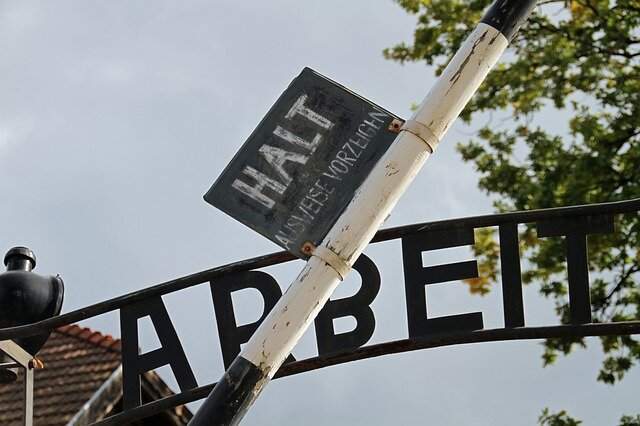
80th Anniversary of the Liberation of Auschwitz Birkenau: Commemorations at the Memorial Site
Official Ceremony on January 27, 2025
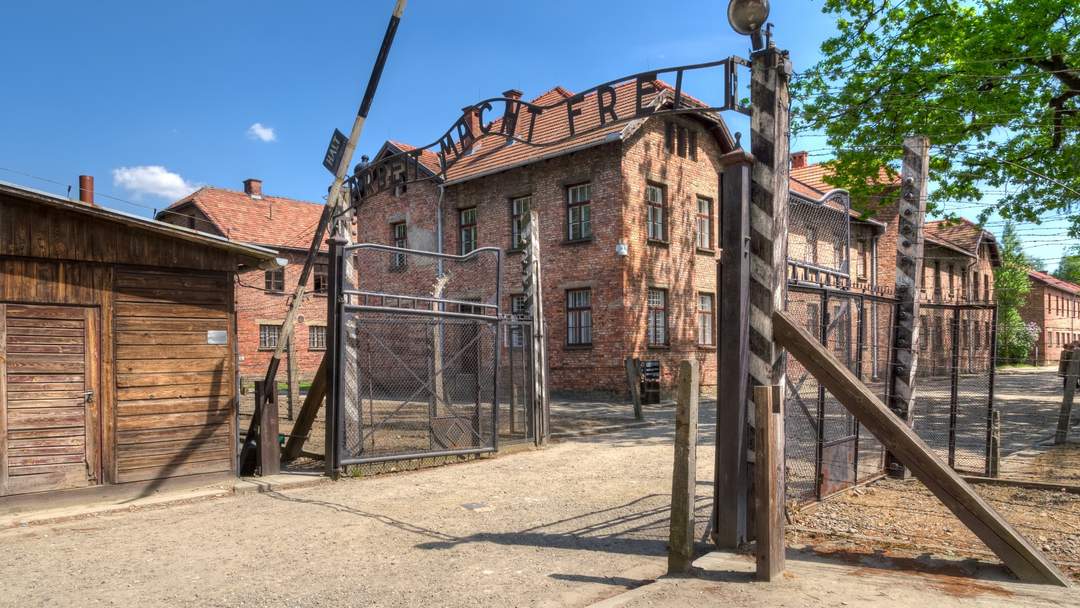
On January 27, 2025, a ceremony marking the 80th anniversary of the liberation of the camp will take place at the site of Auschwitz-Birkenau, the former German Nazi concentration and extermination camp, located in Oświęcim, Poland. This significant event, held at the Holocaust Memorial and Museum, will bring together state officials, international delegations, and, health permitting, several dozen Survivors.
According to Piotr Cywiński, director of the Auschwitz Memorial, the advanced age of the Survivors makes this anniversary particularly meaningful, as it may be one of the last milestones with a relatively numerous group of those who lived through the horrors of KL Auschwitz. The site, liberated in January 1945, continues to stand as a powerful reminder of the atrocities committed during the Holocaust.
Main Ceremony at the Gate to Auschwitz II-Birkenau
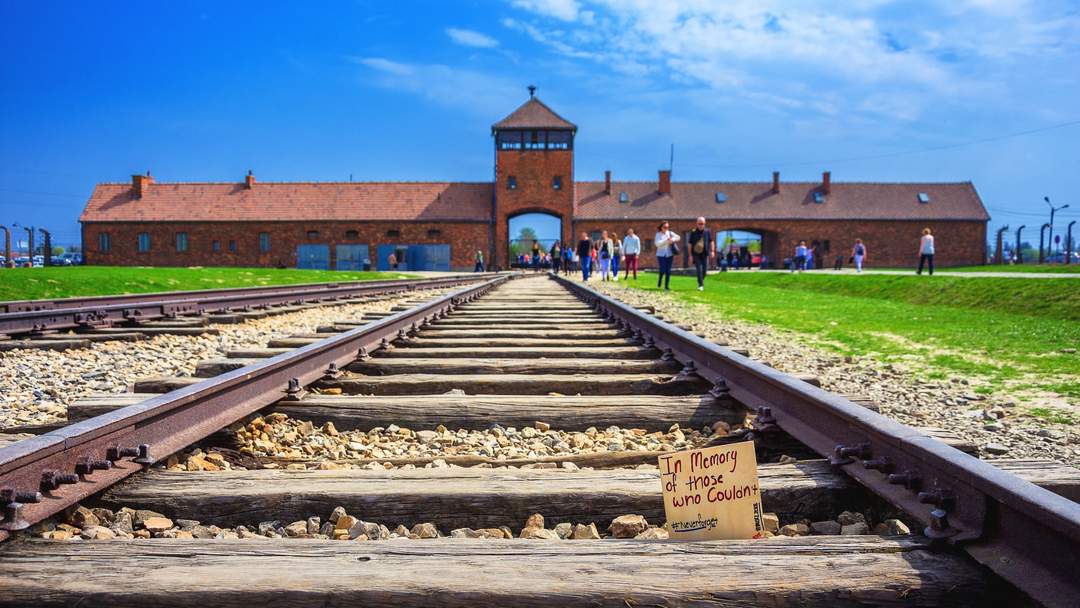
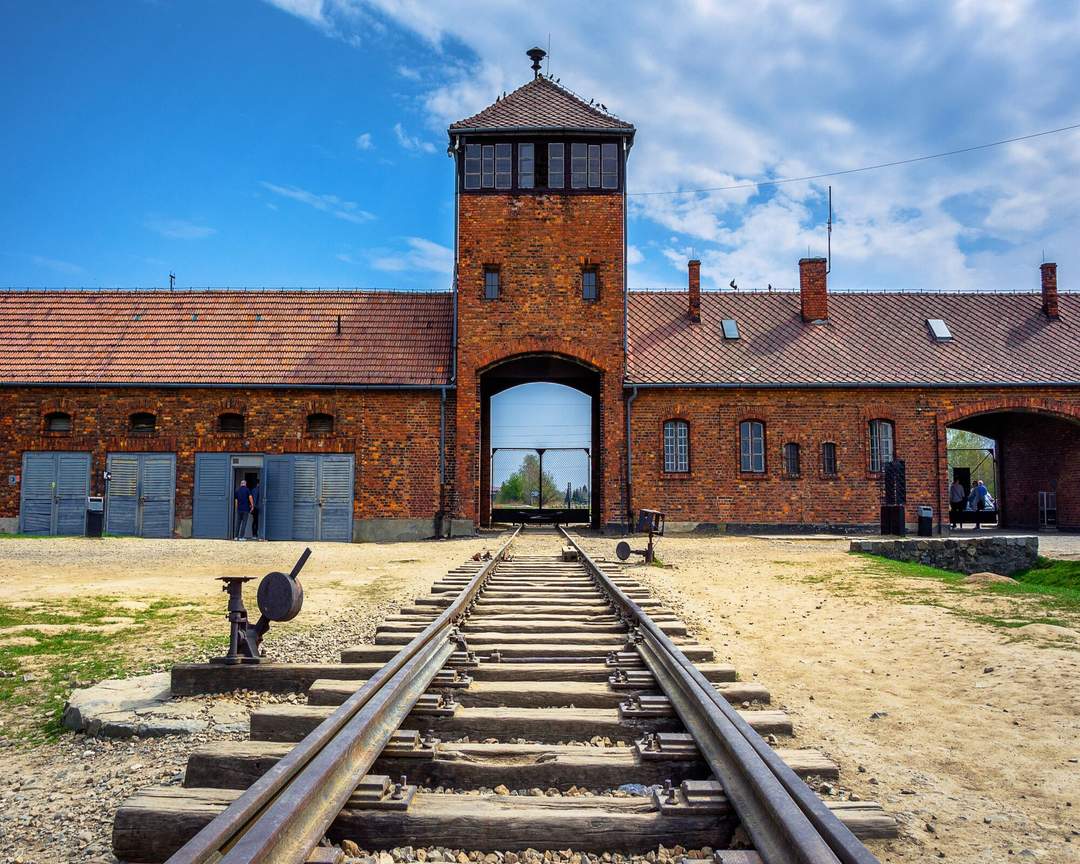
The main commemorations will begin at 4:00 PM in a specially erected tent over the historic gate to Auschwitz II-Birkenau. Over 3,000 attendees are expected to join the ceremony.
A freight wagon, identical to those used by the Nazis to deport Jews, Poles, Roma, and other victims to the extermination camp, will serve as this year’s central symbol. The wagon, currently located on the ramp at Birkenau, where SS doctors conducted brutal selections, will be moved into the tent for the ceremony. Preparations for the event have already closed this part of the Memorial to visitors.
Broadcasts, Open Sector, and Museum Closure
The Auschwitz Memorial in Oświęcim will be closed to regular visitors on January 26 and 27, but a special open sector will be available on January 27 for those who wish to pay their respects. Organizers caution that winter weather may pose challenges.
The event will be broadcast live by Polish Television (TVP) and streamed online on the official YouTube channel of the Auschwitz Memorial: Auschwitz Memorial. For those unable to attend in person, the broadcast provides an opportunity to participate in the commemorations remotely and reflect on the significance of this historic event.
International Dignitaries and Honorary Patronage
The honorary patron of the event is the President of Poland, Andrzej Duda. Among the officials attending will be King Charles III of the United Kingdom, who will become the first British monarch to participate in the Auschwitz-Birkenau commemorations.
January 27 also marks International Holocaust Remembrance Day, established by the United Nations in 2005.
The Liberation of Auschwitz-Birkenau
On 27 January 1945, soldiers of the Soviet Red Army liberated the Auschwitz concentration camp, freeing the last remaining prisoners and exposing the full extent of Nazi atrocities. The barracks, crematoriums, and remnants of the gas chambers remain as chilling evidence of crimes so horrific they are almost impossible to describe.
In the days leading up to the camp’s liberation, the SS evacuated thousands of prisoners westward during the infamous death marches. This evacuation left behind countless corpses and symbolized the Nazis' desperate attempts to conceal evidence of their atrocities as the Soviet Red Army advanced.
Today, Auschwitz-Birkenau serves as both a place of reflection and a warning to future generations, ensuring that the memory of the victims and the lessons of history remain alive. To learn more about the tragic history of the death marches and the liberation of Auschwitz, read our dedicated article: Auschwitz Death March: A History of Genocide.
Practical Information and Accessibility
Visitors attending the commemorations can reach Auschwitz-Birkenau by public transportation from Kraków, including buses and trains departing from the main station. Drivers should prepare for road closures and limited parking due to the presence of state officials.
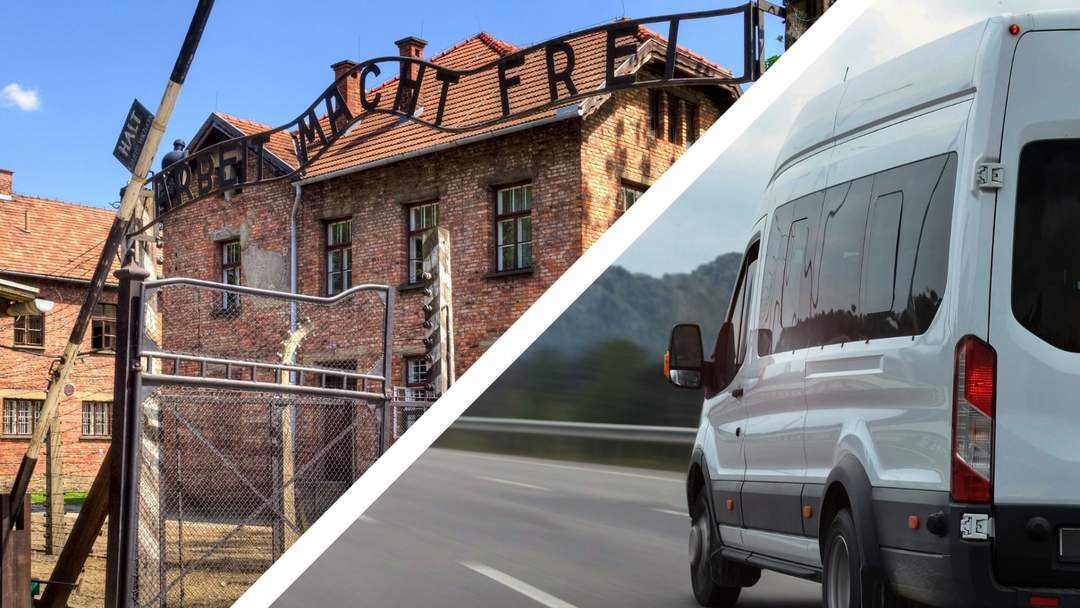
As a convenient alternative, Auschwitz transport offers private transfers with hotel pick-up and a driver waiting on-site, providing visitors with a seamless and stress-free experience.
On days when the museum is open, it is highly recommended to visit the Auschwitz Memorial in Oświęcim with an educator. Guided tours provide a deeper understanding of the historical context, the scale of the atrocities, and the personal stories of those who endured unimaginable suffering. An Auschwitz guided tour offers an opportunity for meaningful reflection and education about this significant site.
Conclusion
The 80th anniversary of the liberation of Auschwitz-Birkenau is a moment of profound reflection. It serves as a reminder of the horrors of Nazi concentration camps and the resilience of those who survived. By preserving the memory of the victims and educating future generations, the message of "Never Again" continues to inspire hope for a world free from hatred and violence.
Sources: PAP and Auschwitz Birkenau Memorial Museum
Back 














 Duration: 11h
 Live guide
 Skip-theLine
 Transportation included