Death March from Auschwitz - The Final Evacuation of the Camp in 1945
January 12, 2024
Learn what happened during the death march from Auschwitz-Birkenau in January 1945, why the camp was evacuated, how prisoners suffered during the forced marches, and what the liberation of Auschwitz revealed days later.
January 12, 2024
The Tragic Death Marches from Auschwitz and the Events Leading to Liberation
The term "Death Marches" refers to the forced evacuation of prisoners from German concentration camps as the Soviet Army's offensive approached at the end of 1944 and the beginning of January 1945. In response to the advancing front, the Nazis began evacuating Auschwitz and its sub-camps, forcing prisoners to march in extreme winter conditions to camps in Germany. Already weakened by the brutal conditions of Auschwitz-Birkenau, they faced further suffering during these marches, with inadequate food, clothing, and rest.
The process of evacuation and the destruction of the camp system is described in detail by the Auschwitz-Birkenau Memorial and Museum in its account of the final evacuation and liquidation of the camp.
During these death marches, prisoners, poorly dressed and malnourished, succumbed to freezing temperatures, exhaustion, and executions by SS guards. Escape was nearly impossible, as those who attempted it were shot on sight. Many who survived the march from Auschwitz ultimately perished in other camps, such as Buchenwald or Bergen-Belsen.
Some of the most brutal death marches took place from Auschwitz-Birkenau, Gross-Rosen, Stutthof, and Majdanek, with Auschwitz being one of the largest concentration and extermination camp complexes in the Nazi camp system. The goal was to evacuate prisoners to other camps in Germany, where inhumane treatment continued, as did the Holocaust, which claimed millions of lives.
Auschwitz-Birkenau and the Death March
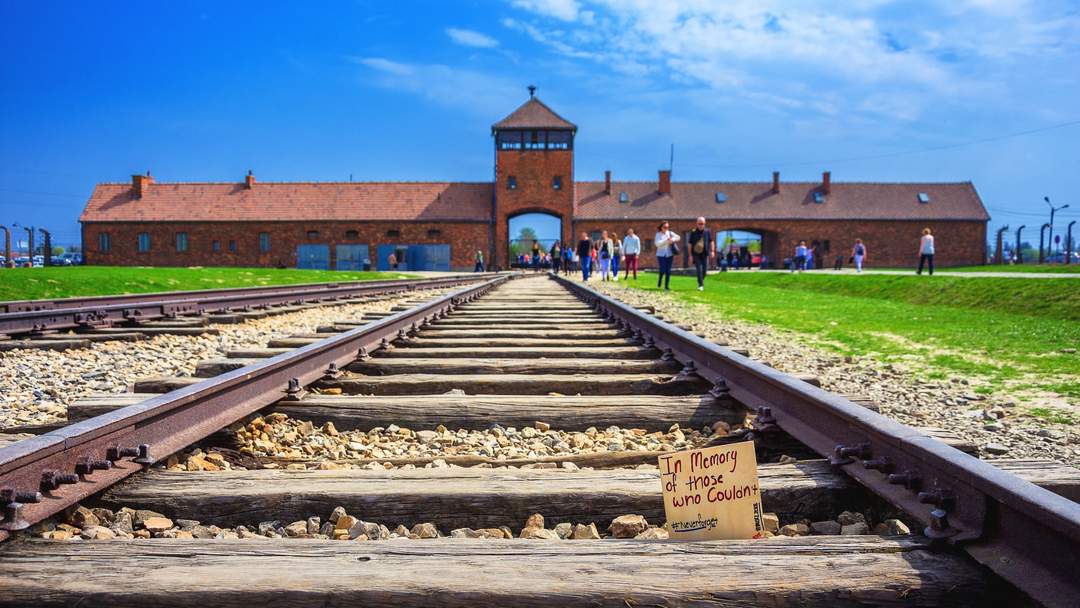
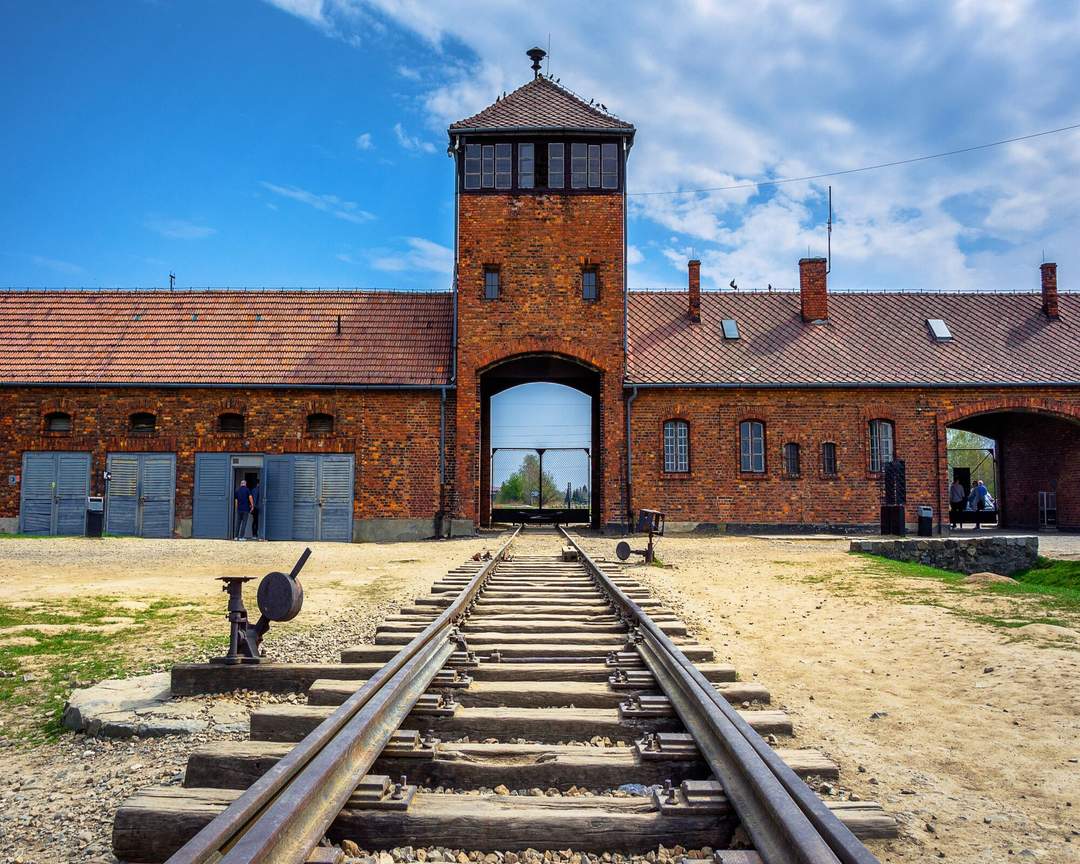
The death march from Auschwitz-Birkenau, one of the most notorious Nazi concentration and extermination camps, began in January 1945. As Soviet forces advanced, about 56,000 prisoners were ordered to leave the camp. The weather was bitterly cold, and the prisoners, many wearing rags, were ill-prepared for the journey. They had to march about 60 kilometers to Wodzisław Śląski, where they were loaded onto freight trains bound for other camps deeper in the Third Reich. Along the route, around 600 bodies were found, with many others shot by SS guards during mass executions. The death toll continued to rise when prisoners were locked in open coal cars, exposed to freezing temperatures during transport. It is estimated that at least 9,000 prisoners died during the death march, with some researchers suggesting the number may have reached 15,000.
Prisoners Who Stayed Behind: The Final Days at Auschwitz
During January 1945, approximately 56,000 prisoners were evacuated from Auschwitz and its sub-camps as part of the final evacuation and liquidation of the camp. Officially, those able to work were selected, but many, fearing execution, desperately tried to qualify for the death march. Thousands died from exhaustion or were executed by SS guards during this period.
On January 20, the SS blew up Crematoria II and III, and on January 26, just one day before Soviet forces arrived, Crematorium V was destroyed. On January 23, the SS set fire to the "Kanada II" barracks, where victims' belongings were stored. At the time of the evacuation, about 9,000 prisoners—mostly sick or exhausted—remained in Auschwitz I, Birkenau, and the sub-camps. These remaining prisoners, unable to join the death march, faced the constant threat of annihilation. However, most survived due to a combination of fortunate circumstances.
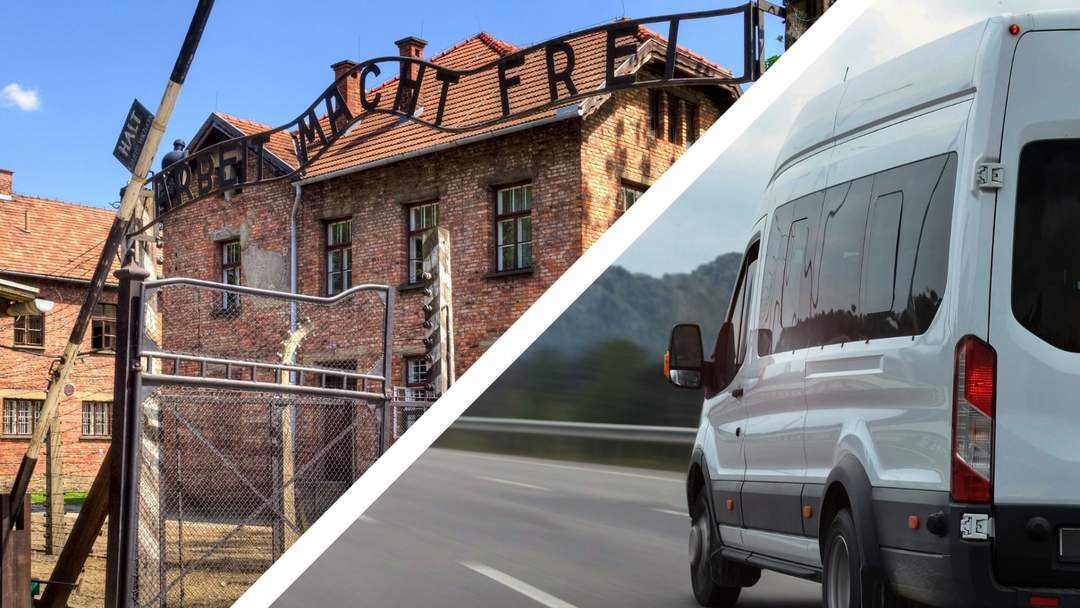
Walk in the footsteps of history on a professionally guided visit to Auschwitz-Birkenau – one of the most important memorial sites in the world. Departing from Krakow, this all-inclusive tour offers powerful insight, respectful reflection, and seamless logistics, so you can focus on what truly matters. Led by a licensed guide, you'll visit both Auschwitz I and Auschwitz II-Birkenau and return with a deeper understanding of the past. Whether travelling solo or with others, this tour is trusted by thousands every year for its emotional impact and flawless organisation.
Duration: 7hLive guideSkip-theLineTransportation included
Secure your skip-the-line entry to the Auschwitz-Birkenau Memorial and Museum and take part in an official guided tour led by a licensed museum educator. This is a unique opportunity to reflect on history in a respectful setting. Skip-the-line tickets are ideal for visitors who prefer to travel to the site independently and join the guided group on location.
Duration: 4hLive guideSkip-theLineTransportation included
Book a private transfer from Krakow to Auschwitz-Birkenau Memorial and Museum and travel comfortably without worrying about public transport or fixed timetables. Choose between one-way transport or a round-trip option with the driver waiting on site.
On January 27, 1945, Soviet troops liberated approximately 7,000 prisoners who had survived the brutal conditions. Many were in poor health and required urgent medical care, but resources were scarce. As Soviet soldiers searched the area, they discovered the bodies of prisoners who had been shot by the SS during their retreat, as well as those who had died from starvation or exhaustion.
The events of that day are described in detail by the Auschwitz-Birkenau Memorial and Museum in its account of the day of liberation. Every year on January 27th, International Holocaust Remembrance Day is observed at the Auschwitz-Birkenau State Museum and Memorial, where Holocaust survivors, former prisoners, and state delegations from around the world gather to honor the victims of the Holocaust.
The Memory of the Holocaust
The death marches stand as a chilling symbol of the extreme cruelty of the Nazi regime and the immense suffering endured by its victims. These events contribute to the overwhelming death toll of the Holocaust, which continues to serve as a grim reminder of the atrocities committed during World War II.
Every year on January 27th, the anniversary of Auschwitz's liberation is commemorated with solemn ceremonies at the Auschwitz-Birkenau Memorial and Museum. These events are attended by Holocaust survivors, some of the few remaining eyewitnesses to these tragic events, as well as state delegations and global leaders. The ceremonies serve as a powerful reminder of the importance of remembering the Holocaust and ensuring that its lessons are passed on to future generations.
In addition to the anniversary of Auschwitz’s liberation, another significant event to remember the victims is the March of the Living, held annually since 1988. This educational program brings students from around the world to honor Holocaust victims and reflect on history, culminating in a silent march from Auschwitz to Birkenau. It symbolizes the resilience of the Jewish people in contrast to the oppression of the death marches.
Reflection and Education Through Visits
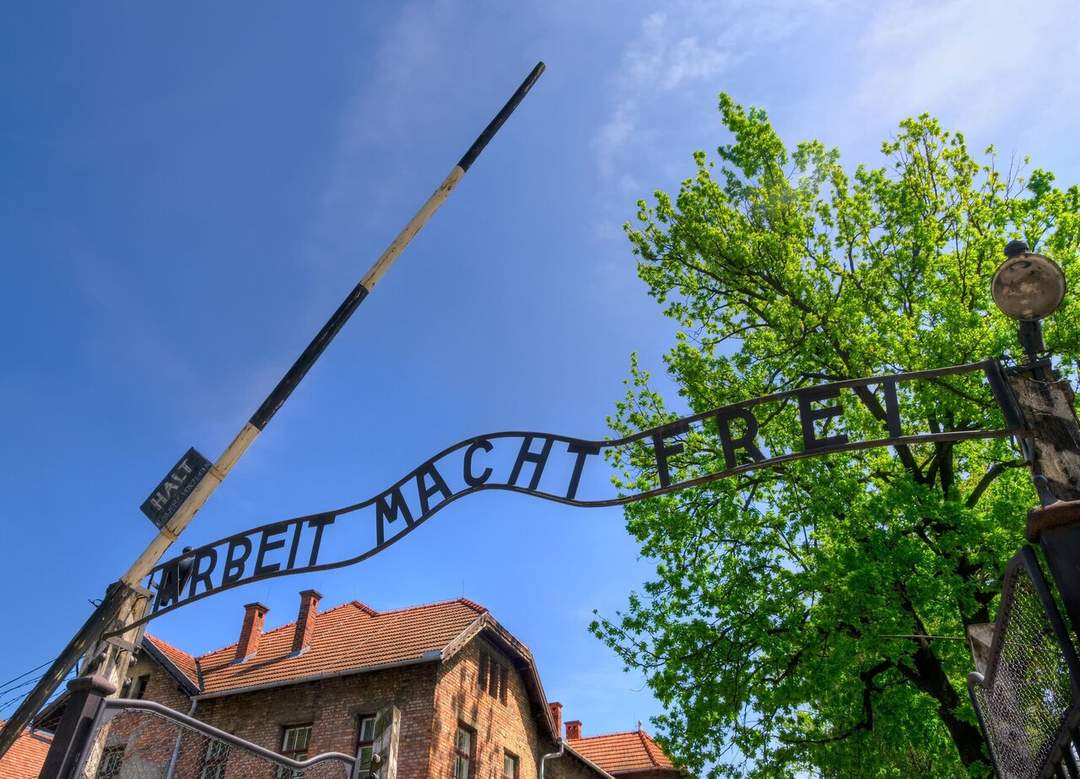
To gain a deeper understanding of the history of Auschwitz and the atrocities that occurred there, visiting the Auschwitz-Birkenau Memorial and Museum is highly recommended. A guided tour not only provides essential historical context but also allows visitors to reflect on the importance of remembering these events. Learn more about visiting the site with a guided tour to Auschwitz.
Walk in the footsteps of history on a professionally guided visit to Auschwitz-Birkenau – one of the most important memorial sites in the world. Departing from Krakow, this all-inclusive tour offers powerful insight, respectful reflection, and seamless logistics, so you can focus on what truly matters. Led by a licensed guide, you'll visit both Auschwitz I and Auschwitz II-Birkenau and return with a deeper understanding of the past. Whether travelling solo or with others, this tour is trusted by thousands every year for its emotional impact and flawless organisation.
Duration: 7hLive guideSkip-theLineTransportation included
Maximize your time in Krakow with our specially curated 1 day tour, combining the essential visits to Auschwitz-Birkenau and Wieliczka Salt Mine. This one day adventure offers you a chance to experience two of Krakow's most significant and must-see locations: the historical Auschwitz Camp and the mesmerizing Salt Mine in Wieliczka. Our well organized tour ensures you don't miss out on what these sites have to offer, making your visit truly worthwhile. Book now to discover the best of Krakow in just one day trip!
Duration: 11hLive guideSkip-theLineTransportation included
Secure your skip-the-line entry to the Auschwitz-Birkenau Memorial and Museum and take part in an official guided tour led by a licensed museum educator. This is a unique opportunity to reflect on history in a respectful setting. Skip-the-line tickets are ideal for visitors who prefer to travel to the site independently and join the guided group on location.
Duration: 4hLive guideSkip-theLineTransportation included
Book a private transfer from Krakow to Auschwitz-Birkenau Memorial and Museum and travel comfortably without worrying about public transport or fixed timetables. Choose between one-way transport or a round-trip option with the driver waiting on site.











 Duration: 7h
 Live guide
 Skip-theLine
 Transportation included