How to Visit Auschwitz – A Complete Guide from Krakow
March 7, 2022
March 7, 2022
Why Visit Auschwitz?
Auschwitz is not just a historical site—it is a place of remembrance, education, and reflection. Walking through the former concentration and extermination camp, seeing the barbed-wire fences, and standing before the ruins of gas chambers is an experience that leaves a profound emotional impact.
More than 1.1 million people perished here during World War II—innocent men, women, and children, victims of the Holocaust and Nazi terror. Today, Auschwitz stands as a memorial and a warning, ensuring that history is never forgotten.
Every year, over 2 million visitors from around the world come to Auschwitz to learn, remember, and reflect. Whether you visit out of historical interest, to honor the victims, or to educate yourself about the consequences of hatred and intolerance, your journey here will be deeply meaningful.
Planning a visit to Auschwitz requires proper preparation. Below, you’ll find everything you need to know about getting to Auschwitz from Krakow, booking tickets, choosing the right tour, and making the most of this important experience.
What Will You See During an Auschwitz Tour?
Auschwitz consists of two main sections: Auschwitz I, the original concentration camp, and Auschwitz II-Birkenau, built primarily for mass extermination. To fully understand the history, visiting both locations is essential.
Auschwitz I – The Main Camp
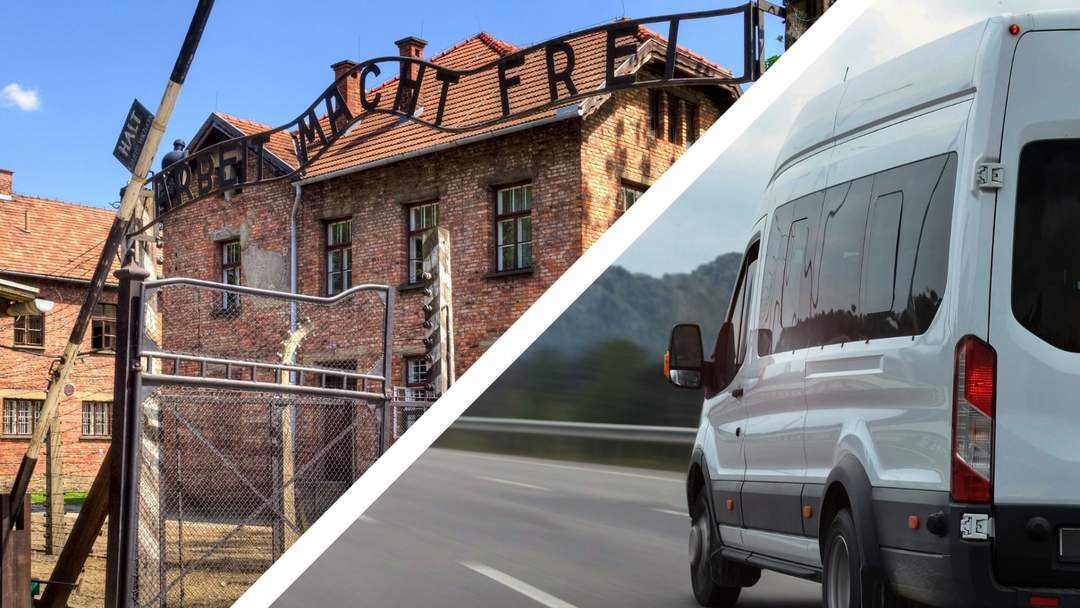
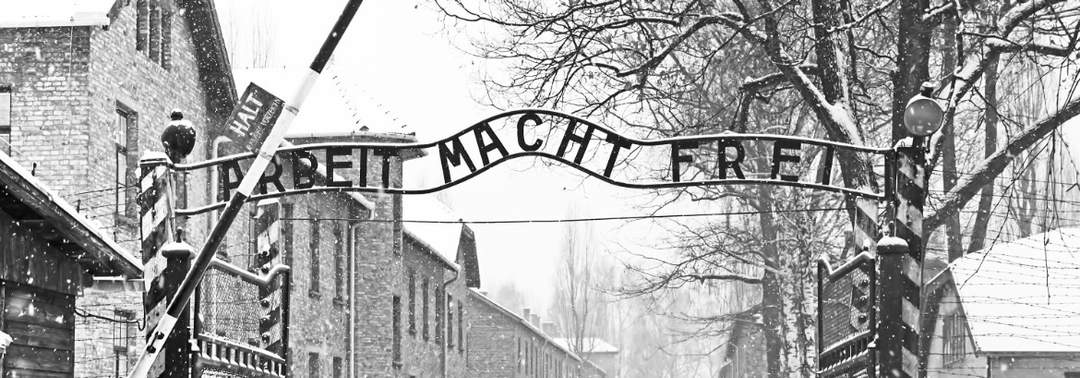
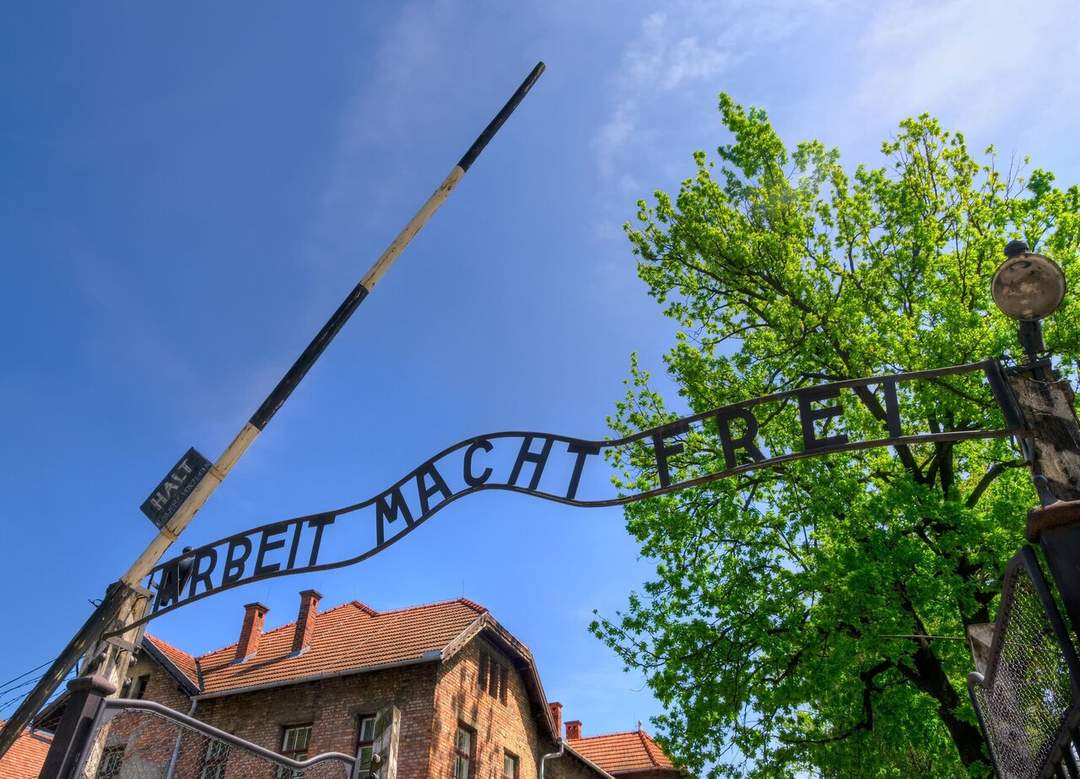
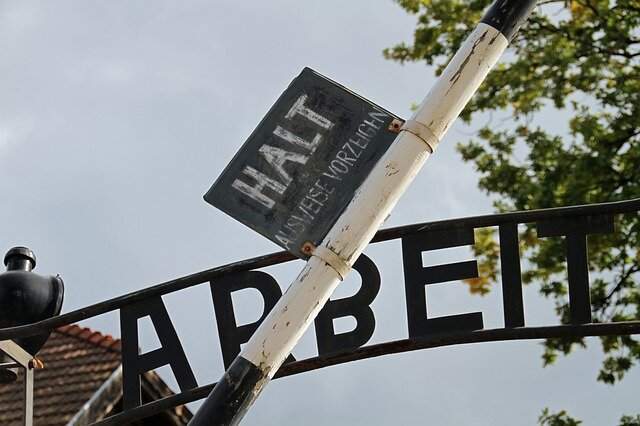
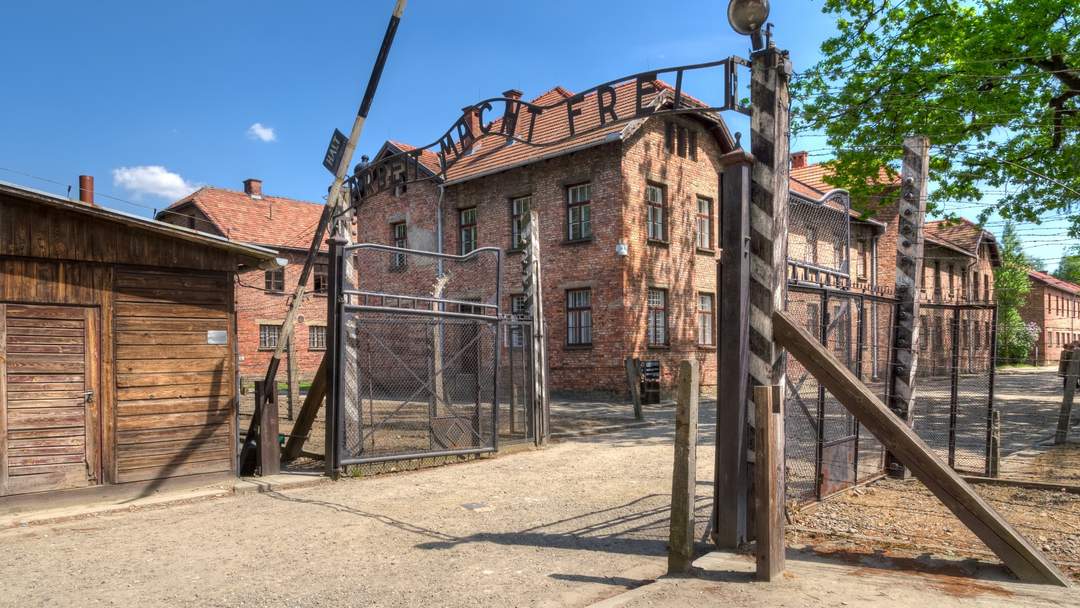
Auschwitz I was the first part of the camp complex, serving as an administrative center and housing thousands of prisoners. The infamous "Arbeit Macht Frei" gate stands at the entrance, a grim symbol of the suffering endured here.
Visitors walk through brick barracks that once held prisoners under horrific conditions. Some buildings now serve as museum exhibitions, displaying confiscated belongings such as suitcases, shoes, and eyeglasses—powerful reminders of individual lives lost. The Death Wall, where executions took place, remains a haunting sight.
One of the most chilling areas is the preserved gas chamber and crematorium. Unlike in Birkenau, where most were destroyed, this facility stands as direct evidence of Nazi crimes. Auschwitz I provides a structured, detailed account of the camp’s history, making it an essential part of the visit.
Auschwitz II-Birkenau – The Extermination Camp
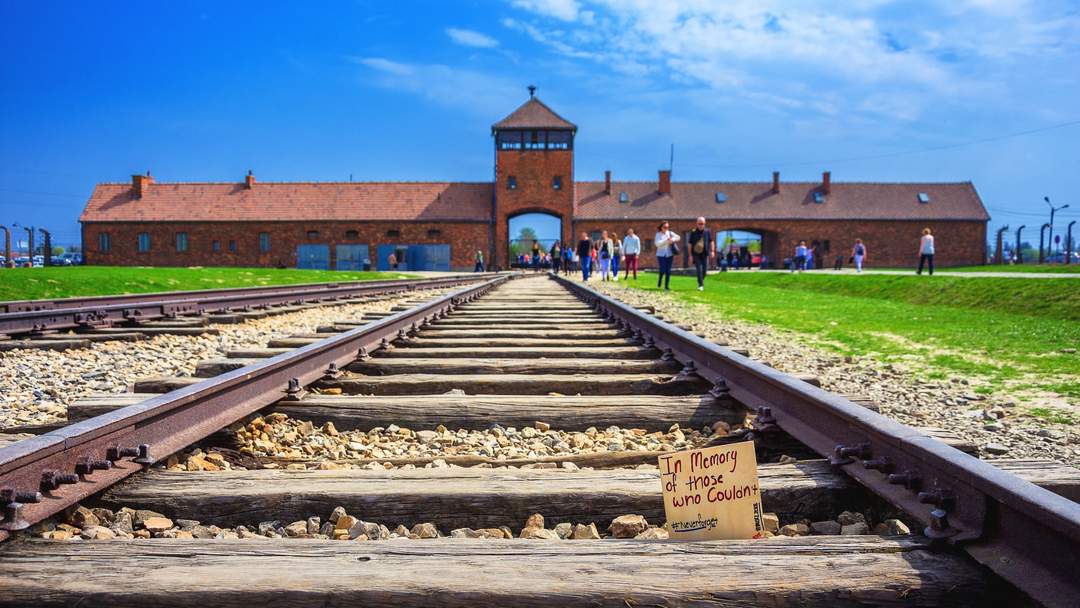
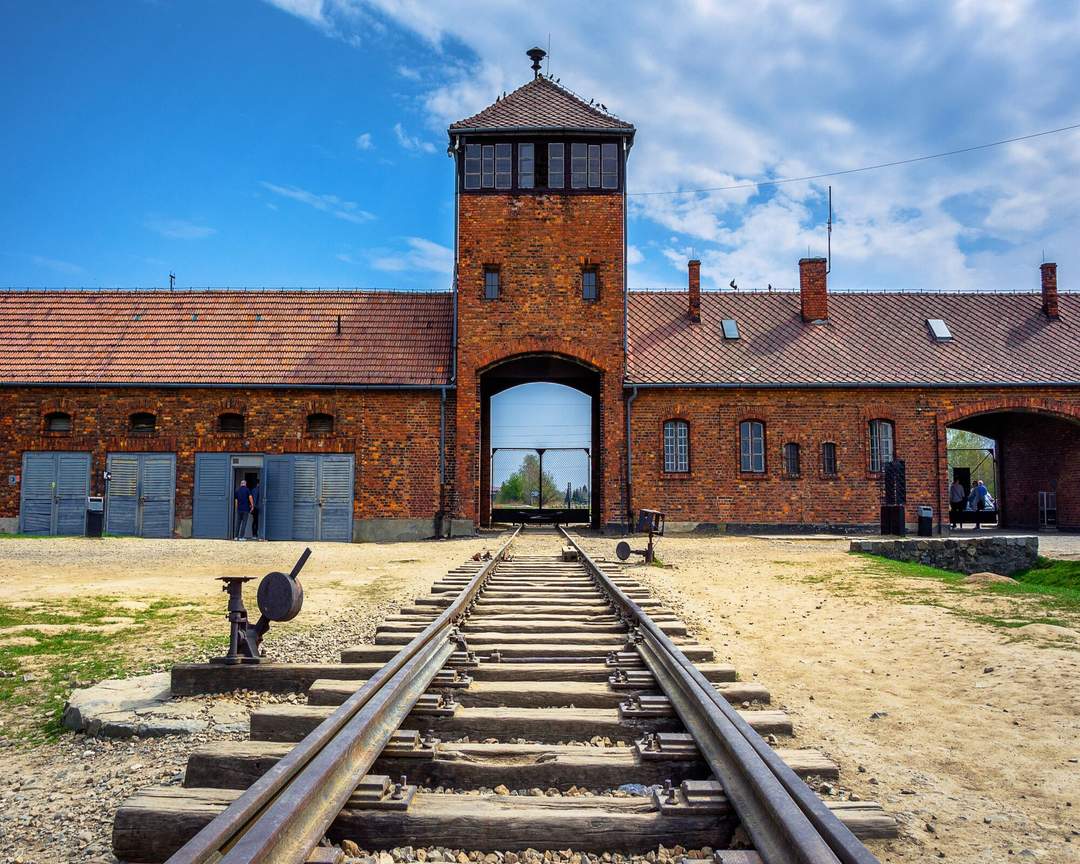
Birkenau, significantly larger than Auschwitz I, was designed for mass killings. The vast site is dominated by the ruins of gas chambers and crematoria, destroyed by the Nazis in an attempt to cover up their crimes. The railway tracks leading to the Death Gate are a stark reminder of the deportations that brought victims to their fate.
Scattered wooden and brick barracks illustrate the appalling living conditions faced by prisoners. Guard towers and endless rows of barbed-wire fences stretch across the landscape, emphasizing the sheer scale of the camp. The visit to Birkenau is often overwhelming due to its vastness and the silence that lingers over the site.
Where is Auschwitz Located?
Auschwitz is located in Oświęcim, about 70 km from Krakow. The trip takes approximately 1.5 hours, depending on the mode of transport.
Auschwitz-Birkenau is divided into two main areas:
Auschwitz I (Main Camp) – the site of the original camp, including the infamous "Arbeit Macht Frei" gate, barracks, and gas chambers.
Auschwitz II-Birkenau – the vast extermination site with ruins of gas chambers, watchtowers, and the railway ramp.
📌 Important: Auschwitz is one of the most visited historical sites in Europe. Tickets and guided tours sell out quickly – not just in summer, but all year round. Book in advance to secure your spot.
Walk in the footsteps of history on a professionally guided visit to Auschwitz-Birkenau – one of the most important memorial sites in the world. Departing from Krakow, this all-inclusive tour offers powerful insight, respectful reflection, and seamless logistics, so you can focus on what truly matters. Led by a licensed guide, you'll visit both Auschwitz I and Auschwitz II-Birkenau and return with a deeper understanding of the past. Whether travelling solo or with others, this tour is trusted by thousands every year for its emotional impact and flawless organisation.
Duration: 7hLive guideSkip-theLineTransportation included
Secure your skip-the-line entry to the Auschwitz-Birkenau Memorial and Museum and take part in an official guided tour led by a licensed museum educator. This is a unique opportunity to reflect on history in a respectful setting. Skip-the-line tickets are ideal for visitors who prefer to travel to the site independently and join the guided group on location.
Duration: 4hLive guideSkip-theLineTransportation included
Book a private transfer from Krakow to Auschwitz-Birkenau Memorial and Museum and travel comfortably without worrying about public transport or fixed timetables. Choose between one-way transport or a round-trip option with the driver waiting on site.
✅ Direct trains run from Krakow to Oświęcim. ✅ The journey takes about 1 hour 40 minutes. ❌ The train station is 2 km from Auschwitz, requiring a bus, taxi, or 30-minute walk. ❌ Train schedules may not align with museum visiting hours. ❌ You must book your museum ticket separately in advance.
By Public Bus
✅ Direct buses depart from Krakow’s main bus station. ✅ The ride takes 1.5 to 2 hours. ❌ Many buses stop 1-2 km from Auschwitz, requiring a walk. ❌ Buses can be crowded, especially in peak season. ❌ Bus schedules may not align with museum visiting hours. ❌ You must book your museum ticket separately in advance.
By Car (Self-Drive)
✅ Flexible travel schedule. ✅ The drive takes around 1.5 hours. ❌ Parking near Auschwitz is limited. ❌ You must book your museum ticket separately in advance.
The Most Convenient Option – Organized Tour from Krakow
✅ Pickup from Krakow city center (meeting points or hotel pick-up). ✅ Includes a licensed Auschwitz Museum guide for a complete historical experience. ✅ Skip-the-line entry – guaranteed admission without long queues. ✅ Stress-free planning – all logistics handled for you.
📌 Important: Last-minute organized tours are hard to get, so it's better to book in advance.
Auschwitz Ticket Information – How to Book & What to Reserve?
Auschwitz has a strict ticketing system, and availability is limited. Advance reservations are strongly recommended because:
Entry tickets sell out weeks in advance.
Queues can last over an hour.
Same-day tickets are not available on-site. All visits must be booked online in advance.
📌 What needs to be booked in advance?
✅ Your Auschwitz entry ticket/tour – required for both individual visits and guided tours. ✅ Transport from Krakow – if you’re not driving, secure your bus/train ticket or book an organized tour.
Here are two official ways to visit Auschwitz:
Individual Entry (Free Admission)
✅ Free admission, but limited availability. ✅ Covers both Auschwitz I & Auschwitz II-Birkenau. ❌ No on-site ticket distribution. All free entry passes must be reserved online in advance. ⚠️ NOTE: Free entry passes can be reserved online up to 7 days before your planned visit. They are not released earlier and often sell out quickly. ❌ Entry is restricted to specific hours, as guided groups have priority access. ❌ No guide or structured explanation – visitors explore on their own. ❌ No audio guides available – Auschwitz does not offer official audio tours. Printed materials are not provided free of charge, but books about the exhibitions can be purchased at the museum shop.
💡 Recommended for: Visitors who have been to Auschwitz before or who already have a strong background knowledge of its history.
📌 Not recommended for first-time visitors. If this is your first visit, a guided tour is strongly recommended. A museum educator provides essential historical context, making the experience more meaningful and structured.
Guided Tour with a Museum Educator (Paid Admission)
✅ Includes a licensed Auschwitz Museum educator – ensures historical accuracy. ✅ Covers both Auschwitz I & Auschwitz II-Birkenau. ✅ Lasts approximately 3.5 hours. ✅ Guaranteed structured visit – full historical context provided. ❌ No on-site ticket purchase available. All paid tickets must also be booked online in advance. ✅ Tickets are available online until they sell out, so booking as early as possible is strongly recommended.
📌 In both types of visits, Auschwitz strictly verifies ticket details. Names and ID information must match exactly, otherwise entry may be denied.
💡 Recommended for: First-time visitors, those seeking an educational and structured visit.
Birkenau Death Gate
Choosing the Right Tour Operator
📌 Responsible tour operators always include an official Auschwitz Museum educator.
❌ Be cautious of companies that only provide transport and advertise a "self-guided tour." If you prefer exploring on your own, that is fine, but if you expect a guided experience, check the details before booking.
Practical Tips & Rules for Visiting Auschwitz
Visiting Auschwitz requires respectful behavior and proper preparation. Below are essential rules, security procedures, accessibility guidelines, and practical tips to ensure a smooth visit.
Security Rules & Baggage Restrictions
✅ Only small bags allowed – max size A4 (30x20x10 cm). ❌ Large backpacks and suitcases must be stored before entry – in the tour bus, car trunk, or museum lockers (limited availability). ❌ No sharp objects – knives, scissors, or pocket tools are prohibited. ❌ Security screening – similar to airport controls; expect bag checks.
Accessibility for Visitors with Disabilities
❌ No elevators – some exhibitions are located on upper floors. ❌ Gravel paths – wheelchairs may require assistance. ✅ Manual wheelchairs are available for loan (electric wheelchairs are not allowed). 📌 Visitors with mobility challenges should bring an assistant, as some areas are difficult to access.
Walk in the footsteps of history on a professionally guided visit to Auschwitz-Birkenau – one of the most important memorial sites in the world. Departing from Krakow, this all-inclusive tour offers powerful insight, respectful reflection, and seamless logistics, so you can focus on what truly matters. Led by a licensed guide, you'll visit both Auschwitz I and Auschwitz II-Birkenau and return with a deeper understanding of the past. Whether travelling solo or with others, this tour is trusted by thousands every year for its emotional impact and flawless organisation.
Duration: 7hLive guideSkip-theLineTransportation included
Secure your skip-the-line entry to the Auschwitz-Birkenau Memorial and Museum and take part in an official guided tour led by a licensed museum educator. This is a unique opportunity to reflect on history in a respectful setting. Skip-the-line tickets are ideal for visitors who prefer to travel to the site independently and join the guided group on location.
Duration: 4hLive guideSkip-theLineTransportation included
Book a private transfer from Krakow to Auschwitz-Birkenau Memorial and Museum and travel comfortably without worrying about public transport or fixed timetables. Choose between one-way transport or a round-trip option with the driver waiting on site.
✅ Comfortable shoes – the tour involves several hours of walking on uneven terrain. ✅ ID or passport – required for entry. ✅ Weather-appropriate clothing – Auschwitz is mostly outdoors, so dress accordingly. ✅ Water and snacks – available on-site, but lines can be long. No food services at Birkenau. ❌ No large bags – check baggage restrictions above.
📌 It can be an emotionally overwhelming experience—take your time and be prepared.
Behavior & Photography Rules
✅ Follow museum regulations – Auschwitz is a memorial site, and silence is expected in most areas. ❌ No hidden photography – respect areas where photography is not allowed. ❌ No commercial use of photos – images taken here should be used with discretion. ❌ No sitting on ruins, monuments, or railway tracks – this is a place of remembrance. ❌ No laughing, joking, or loud conversations – maintain an appropriate level of respect.
📌 If unsure about any rule, follow the signs and instructions from museum staff.
Additional Practical Tips
✅ Prepare mentally – Auschwitz is a challenging place to visit, and many find it emotionally overwhelming. ✅ Plan extra time – delays can happen, especially during high season. ✅ Use the restroom before the tour – access to facilities is limited during the visit. ❌ No re-entry after leaving – once you exit the museum grounds, you cannot return.
📌 Families with children: The museum does not recommend visits for children under 13 due to the graphic nature of exhibits. Parents should consider whether their child is ready for such an experience.
How to Choose the Right Auschwitz Tour?
Not all Auschwitz tours offer the same experience. Some companies only provide transportation, leaving visitors at the entrance without a guide. This can be misleading, as many people assume a "tour" includes a guided visit.
🔹 How to Check if Your Tour is Reliable?
✅ Ensure that the tour includes a licensed Auschwitz Museum guide. ❌ If you value a guided experience and smooth touring, steer clear of tours that only mention "entry" or "self-guided visit." Instead, opt for tours that explicitly offer a guide and a well-organized itinerary to enhance your visit. ✅ Check reviews and details before booking – some providers may use vague descriptions.
📌 Why Choose KrakowBooking?
✅ Every tour includes a licensed Auschwitz Museum educator. ✅ Guaranteed entry – no need to worry about last-minute ticket availability. ✅ Seamless experience – transportation, tickets, and guided visit all arranged for you. ✅ Meaningful and educational tour – not just transport..
Final Thoughts
Auschwitz is a place of deep historical importance. A visit here is both an educational and emotional experience, reminding us of the consequences of hatred and intolerance.
Proper planning ensures a respectful and informative visit. Opting for an organized tour allows you to focus on the experience without worrying about logistics, ensuring a seamless and meaningful visit.
Walk in the footsteps of history on a professionally guided visit to Auschwitz-Birkenau – one of the most important memorial sites in the world. Departing from Krakow, this all-inclusive tour offers powerful insight, respectful reflection, and seamless logistics, so you can focus on what truly matters. Led by a licensed guide, you'll visit both Auschwitz I and Auschwitz II-Birkenau and return with a deeper understanding of the past. Whether travelling solo or with others, this tour is trusted by thousands every year for its emotional impact and flawless organisation.
Duration: 7hLive guideSkip-theLineTransportation included
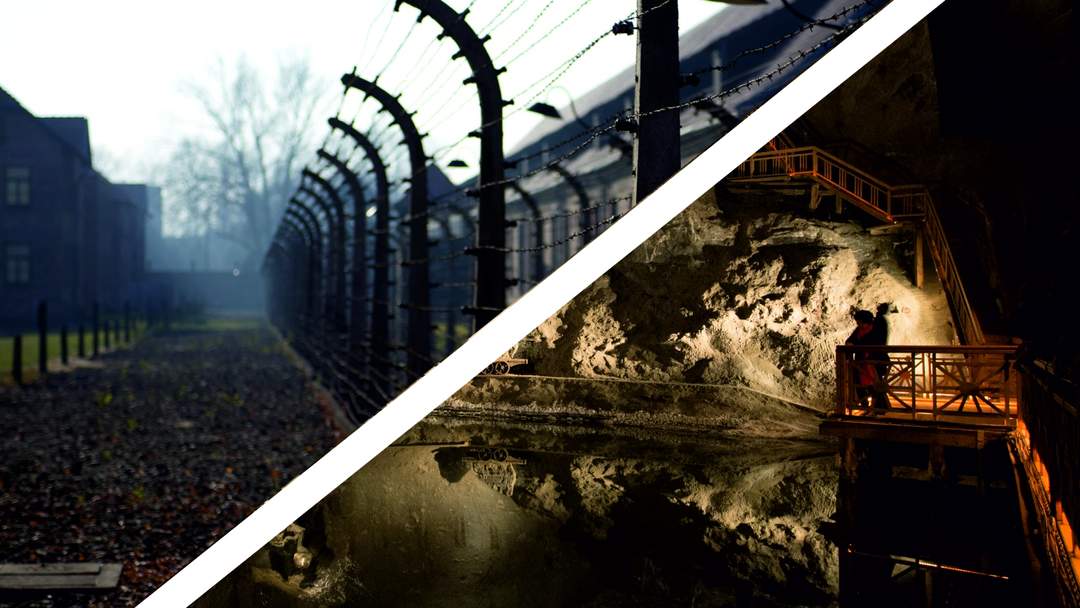
Maximize your time in Krakow with our specially curated 1 day tour, combining the essential visits to Auschwitz-Birkenau and Wieliczka Salt Mine. This one day adventure offers you a chance to experience two of Krakow's most significant and must-see locations: the historical Auschwitz Camp and the mesmerizing Salt Mine in Wieliczka. Our well organized tour ensures you don't miss out on what these sites have to offer, making your visit truly worthwhile. Book now to discover the best of Krakow in just one day trip!
Duration: 11hLive guideSkip-theLineTransportation included
Secure your skip-the-line entry to the Auschwitz-Birkenau Memorial and Museum and take part in an official guided tour led by a licensed museum educator. This is a unique opportunity to reflect on history in a respectful setting. Skip-the-line tickets are ideal for visitors who prefer to travel to the site independently and join the guided group on location.
Duration: 4hLive guideSkip-theLineTransportation included
Book a private transfer from Krakow to Auschwitz-Birkenau Memorial and Museum and travel comfortably without worrying about public transport or fixed timetables. Choose between one-way transport or a round-trip option with the driver waiting on site.











 Duration: 7h
 Live guide
 Skip-theLine
 Transportation included