Daring Escape from Auschwitz: Courage, Ingenuity, and the Desire for Freedom
August 10, 2023
Discover the extraordinary true story of one of Auschwitz’s most daring escapes—boldness, disguise, and a race for freedom against all odds.
August 10, 2023
The Escape of Piechowski, Bendera, Jaster and Lempart – One of the Most Daring Breakouts from Auschwitz
In the bleak history of Auschwitz—through which over a million innocent people passed—only a few had the courage to attempt an escape. It’s estimated that at least 802 prisoners tried to flee, with a remarkable 396 being Polish. Only 144 are confirmed to have survived the war. Each of these numbers holds a powerful story of determination, despair, and heroism. Prisoners knew that every escape attempt might result in the death of dozens of their fellow inmates. Retaliation by the SS was swift and ruthless.
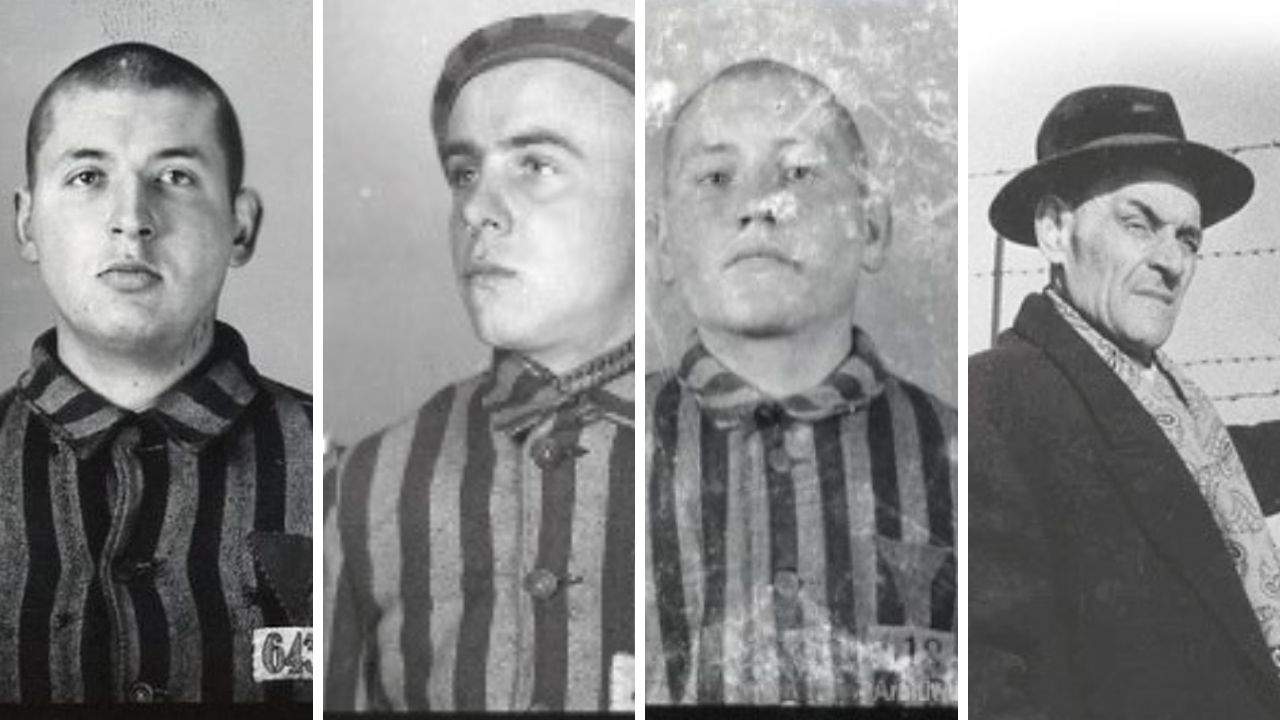
Stanisław (Staszek) Jaster, Józef (Józek) Lempart, Kazimierz (Kazek) Piechowski, Eugeniusz (Gienek) Bendera
A Plan That Saved Their Lives
Kazimierz Piechowski and Eugeniusz Bendera initiated one of the most extraordinary escapes from Auschwitz. When Bendera found out he was marked for extermination, he made a decision: "escape or die." Together with Piechowski, they devised a plan to create a fake work detail. As Piechowski later recalled: “We figured we had to form a false command. If we escaped, there’d be no one to punish. In the camp, all transport was powered by muscle – there were these so-called Rollwagenkommandos, cart-pushing groups. The smallest needed four men.”
They were joined by Father Józef Lempart and Stanisław Jaster, completing a quartet of determined prisoners.
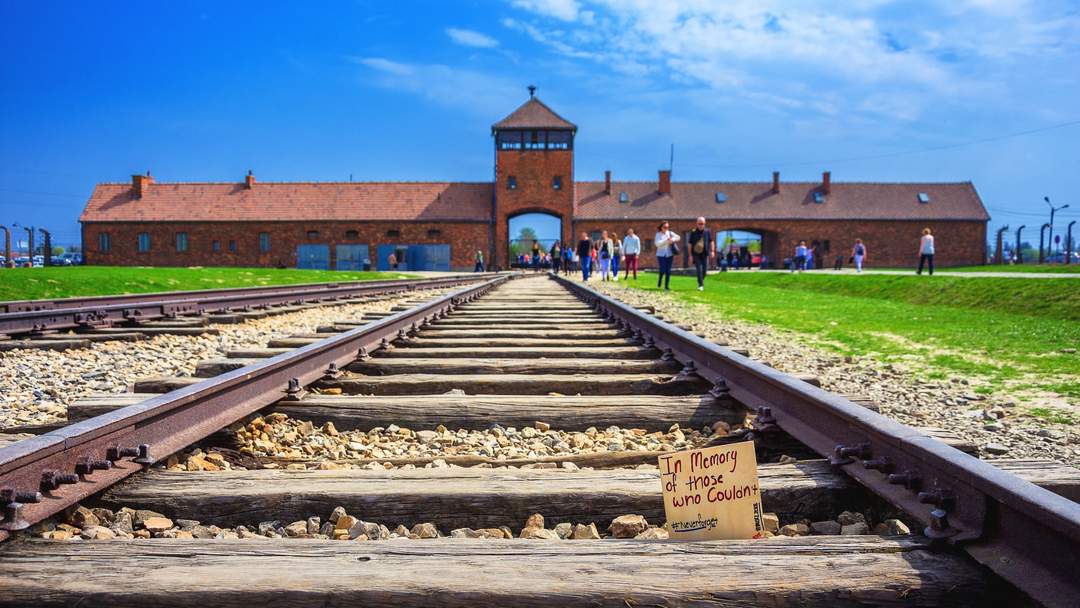
Walk in the footsteps of history on a professionally guided visit to Auschwitz-Birkenau – one of the most important memorial sites in the world. Departing from Krakow, this all-inclusive tour offers powerful insight, respectful reflection, and seamless logistics, so you can focus on what truly matters. Led by a licensed guide, you'll visit both Auschwitz I and Auschwitz II-Birkenau and return with a deeper understanding of the past. Whether travelling solo or with others, this tour is trusted by thousands every year for its emotional impact and flawless organisation.
Duration: 7hLive guideSkip-theLineTransportation included
Maximize your time in Krakow with our specially curated 1 day tour, combining the essential visits to Auschwitz-Birkenau and Wieliczka Salt Mine. This one day adventure offers you a chance to experience two of Krakow's most significant and must-see locations: the historical Auschwitz Camp and the mesmerizing Salt Mine in Wieliczka. Our well organized tour ensures you don't miss out on what these sites have to offer, making your visit truly worthwhile. Book now to discover the best of Krakow in just one day trip!
Duration: 11hLive guideSkip-theLineTransportation included
Secure your skip-the-line entry to the Auschwitz-Birkenau Memorial and Museum and take part in an official guided tour led by a licensed museum educator. This is a unique opportunity to reflect on history in a respectful setting. Skip-the-line tickets are ideal for visitors who prefer to travel to the site independently and join the guided group on location.
Duration: 4hLive guideSkip-theLineTransportation included
Book a private transfer from Krakow to Auschwitz-Birkenau Memorial and Museum and travel comfortably without worrying about public transport or fixed timetables. Choose between one-way transport or a round-trip option with the driver waiting on site.
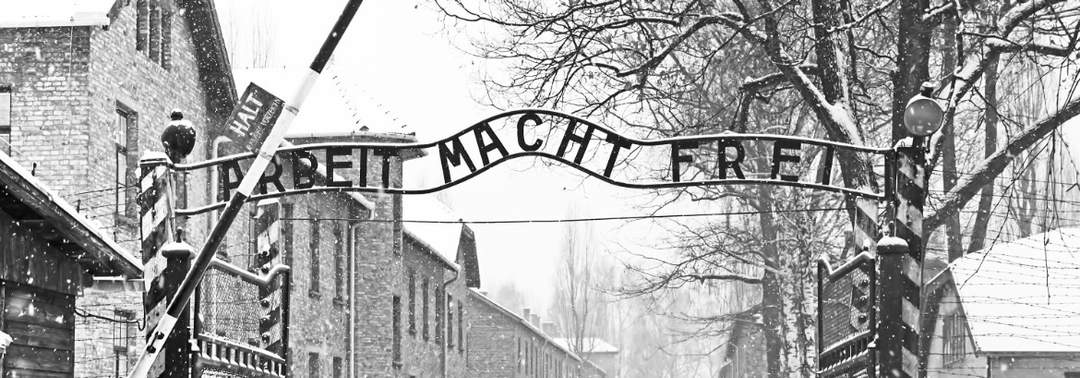
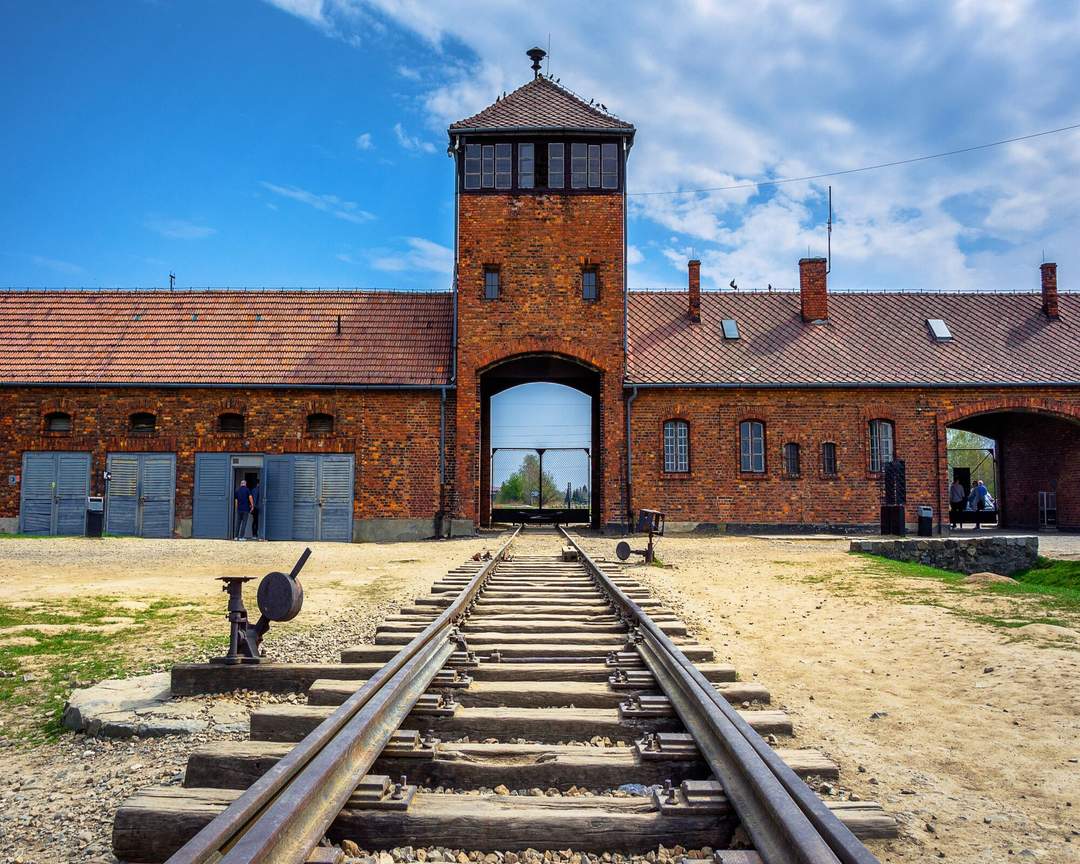
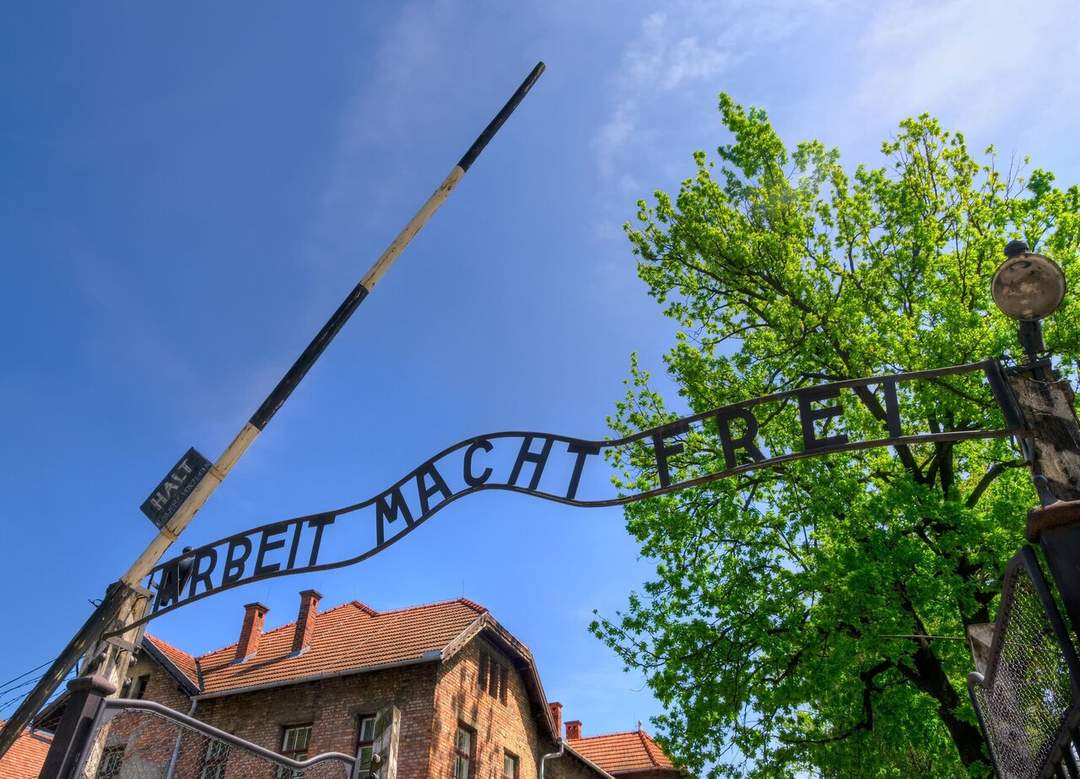
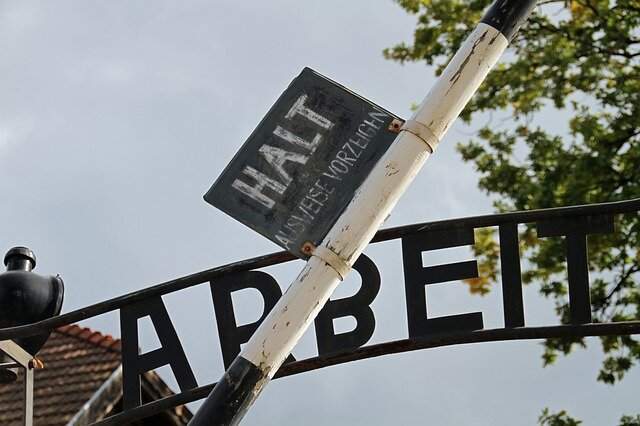
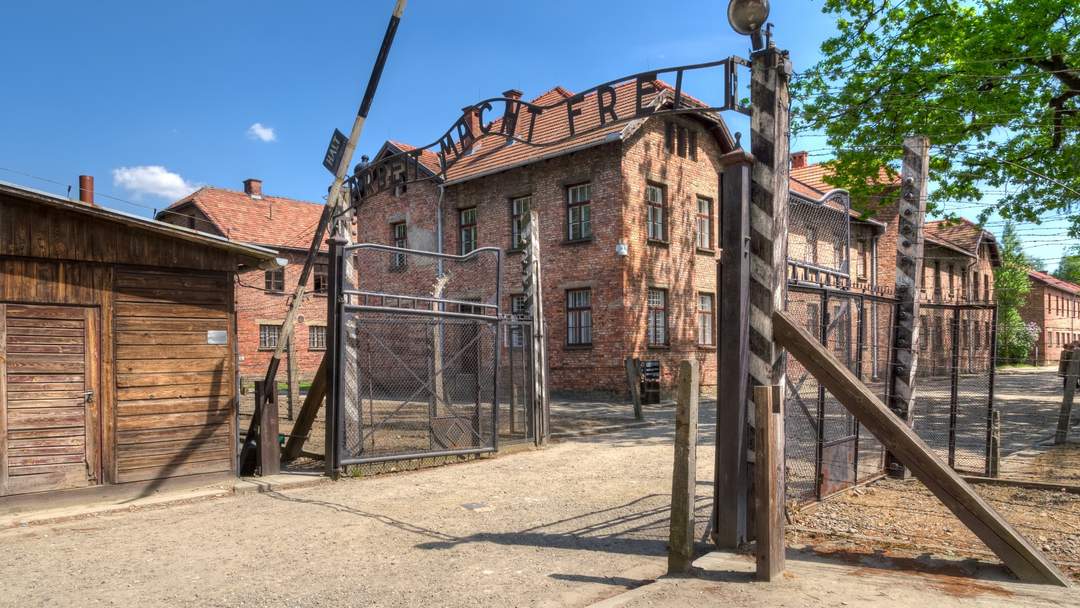
On Saturday, June 20, 1942, under broad daylight, the four prisoners walked under the “Arbeit macht frei” gate, pushing a cart and claiming to be a work detail. Piechowski, wearing a foreman's armband, reported: “Rollwagenkommando, Vorarbeiter 918, three prisoners.” The German guard didn’t check the registry—the gate opened.
Inside a warehouse, they acquired SS uniforms and weapons. Bendera took the wheel of a Steyr 220 car. When a guard from the watchtower spotted them, he didn’t react—Piechowski was already in full SS attire. As they drove off, SS men saluted them, mistaking them for officers. The last obstacle was a checkpoint gate. Piechowski recalled: “I thought it was over. I was already saying goodbye to my mother in my head. Then Józek hissed: Kazek, do something. I snapped out of it, jumped out, and shouted: ‘What are you doing back there?! Open up!’ The barrier rose. Gienek hit the gas. Freedom!”
It’s worth noting that the escape was carried out with the knowledge of Witold Pilecki – the Polish national hero who voluntarily infiltrated Auschwitz to organize resistance. Before the escape, he compiled a report about camp conditions, which was delivered to the Home Army in Warsaw by Stanisław Jaster.
The escapees abandoned the car near Maków Podhalański, changed clothes, and split up. A popular legend claimed they had sent a sarcastic apology to commandant Höss for stealing the car – but Piechowski later dismissed this as a myth: “Fairy tales. We didn’t send anything.”
Walk in the footsteps of history on a professionally guided visit to Auschwitz-Birkenau – one of the most important memorial sites in the world. Departing from Krakow, this all-inclusive tour offers powerful insight, respectful reflection, and seamless logistics, so you can focus on what truly matters. Led by a licensed guide, you'll visit both Auschwitz I and Auschwitz II-Birkenau and return with a deeper understanding of the past. Whether travelling solo or with others, this tour is trusted by thousands every year for its emotional impact and flawless organisation.
Duration: 7hLive guideSkip-theLineTransportation included
Maximize your time in Krakow with our specially curated 1 day tour, combining the essential visits to Auschwitz-Birkenau and Wieliczka Salt Mine. This one day adventure offers you a chance to experience two of Krakow's most significant and must-see locations: the historical Auschwitz Camp and the mesmerizing Salt Mine in Wieliczka. Our well organized tour ensures you don't miss out on what these sites have to offer, making your visit truly worthwhile. Book now to discover the best of Krakow in just one day trip!
Duration: 11hLive guideSkip-theLineTransportation included
Secure your skip-the-line entry to the Auschwitz-Birkenau Memorial and Museum and take part in an official guided tour led by a licensed museum educator. This is a unique opportunity to reflect on history in a respectful setting. Skip-the-line tickets are ideal for visitors who prefer to travel to the site independently and join the guided group on location.
Duration: 4hLive guideSkip-theLineTransportation included
Book a private transfer from Krakow to Auschwitz-Birkenau Memorial and Museum and travel comfortably without worrying about public transport or fixed timetables. Choose between one-way transport or a round-trip option with the driver waiting on site.
The camp went on high alert. German kapo Kurt Pachala, falsely accused of aiding the escape, was sentenced to death by starvation and confined to Block 11. Seven SS officers were transferred to the Eastern Front as punishment. However, since the escapees had created a fake work unit, the guards couldn’t confirm who exactly had escaped. This confusion prevented the usual retaliation – the execution of ten randomly chosen prisoners. Their cleverness likely saved many lives. Despite the reprisals, the escape became a beacon of hope and courage for fellow inmates.
Józef Lempart fell seriously ill during the escape, but was not abandoned – he found refuge in the countryside thanks to kind-hearted locals. Sadly, his mother was murdered in Auschwitz in retaliation. After the war, Lempart left the priesthood and started a family. He died in a car accident in 1971.
Stanisław Jaster traveled to Warsaw to deliver Pilecki’s report. He later disappeared under mysterious circumstances—likely executed by the underground on suspicion of betrayal. For decades, rumors swirled that he had been a Gestapo agent. Piechowski fought throughout his life to clear his friend’s name. In 2019, Jaster was posthumously awarded the Knight’s Cross of the Order of Polonia Restituta—an act of symbolic rehabilitation.
Bendera and Piechowski initially hid together. After the war, Piechowski was sentenced to 10 years in prison by the communist regime for his involvement in the Home Army. After his release, he earned a degree and worked in a shipyard. He authored books including I Was a Number… and Us and the Germans. He also appeared in documentaries such as Jaster: The Hela Mystery. In retirement, he fulfilled his dream of traveling—visiting over 60 countries with his wife. He passed away on December 15, 2017, at the age of 98.
Kazimierz (Kazek) Piechowski
Final Thoughts
The stories of Piechowski, Bendera, Lempart, and Jaster are lasting testaments to extraordinary bravery in the face of inhuman cruelty. We invite you to visit the Auschwitz Museum to learn more and pay tribute to those who never gave up their dream of freedom.
Walk in the footsteps of history on a professionally guided visit to Auschwitz-Birkenau – one of the most important memorial sites in the world. Departing from Krakow, this all-inclusive tour offers powerful insight, respectful reflection, and seamless logistics, so you can focus on what truly matters. Led by a licensed guide, you'll visit both Auschwitz I and Auschwitz II-Birkenau and return with a deeper understanding of the past. Whether travelling solo or with others, this tour is trusted by thousands every year for its emotional impact and flawless organisation.
Duration: 7hLive guideSkip-theLineTransportation included
Maximize your time in Krakow with our specially curated 1 day tour, combining the essential visits to Auschwitz-Birkenau and Wieliczka Salt Mine. This one day adventure offers you a chance to experience two of Krakow's most significant and must-see locations: the historical Auschwitz Camp and the mesmerizing Salt Mine in Wieliczka. Our well organized tour ensures you don't miss out on what these sites have to offer, making your visit truly worthwhile. Book now to discover the best of Krakow in just one day trip!
Duration: 11hLive guideSkip-theLineTransportation included
Secure your skip-the-line entry to the Auschwitz-Birkenau Memorial and Museum and take part in an official guided tour led by a licensed museum educator. This is a unique opportunity to reflect on history in a respectful setting. Skip-the-line tickets are ideal for visitors who prefer to travel to the site independently and join the guided group on location.
Duration: 4hLive guideSkip-theLineTransportation included
Book a private transfer from Krakow to Auschwitz-Birkenau Memorial and Museum and travel comfortably without worrying about public transport or fixed timetables. Choose between one-way transport or a round-trip option with the driver waiting on site.












 Duration: 7h
 Live guide
 Skip-theLine
 Transportation included