81st Anniversary of the Liberation of Auschwitz - Memory, Experience and the Voices of Survivors
February 6, 2026
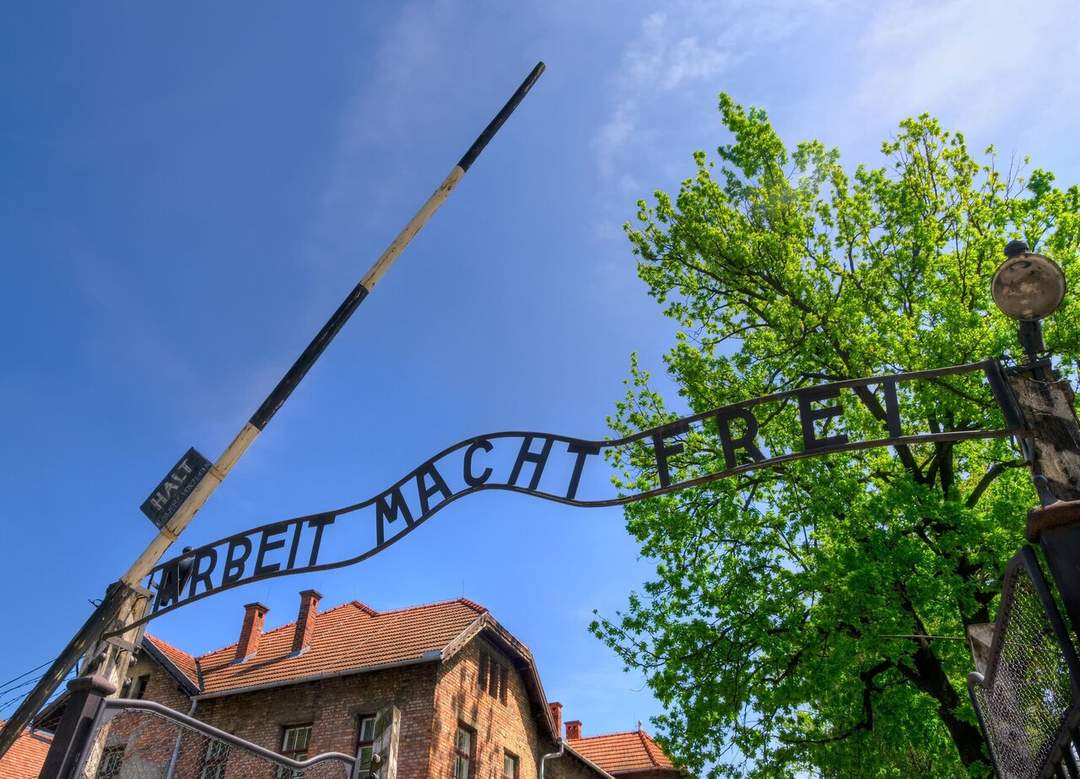
On 27 January 2026, Survivors and guests gathered at Auschwitz-Birkenau to mark the 81st anniversary of the liberation of the former Nazi camp.
Commemorations Marking the 81st Anniversary at Auschwitz-Birkenau
On 27 January 2026, commemorations marking the 81st anniversary of the liberation of Auschwitz took place at the former German Nazi concentration and extermination camp, today the Auschwitz-Birkenau Memorial Site. 21 Auschwitz Survivors gathered on site to honour the Victims and to emphasise the importance of memory in the face of today’s challenges.
The event was held under the honorary patronage of the President of the Republic of Poland, Karol Nawrocki. The commemoration was attended by, among others, the President, representatives of the government and local authorities, diplomats, members of the clergy, donors of the Auschwitz-Birkenau Foundation, and staff from museums and memorial institutions. The ceremony was hosted by Marek Zając, Secretary of the International Auschwitz Council.
Main commemorations at Auschwitz II-Birkenau
The main ceremony took place in the historic building known as the central sauna at the former Auschwitz II-Birkenau camp, located near the ruins of the gas chamber and crematorium IV. A symbolic element on the stage included original striped prisoner uniforms.
The organisers decided to focus the commemorations on the voices of Survivors - both those present and those whose testimonies had been recorded in the past. In order to concentrate entirely on the experience of Victims and Survivors, the ceremony was held without political speeches. This decision was unanimously supported by the International Auschwitz Council.
Testimonies and reflections
At the beginning of the ceremony, participants on site and viewers of the live transmission heard an excerpt from a remarkable testimony by Załmen Gradowski, a Polish Jew deported to Auschwitz from the Grodno ghetto. His family, including his parents and wife, were murdered in the gas chamber immediately after arrival. Gradowski, forced into the Sonderkommando, secretly wrote notes to inform the world about the Holocaust. His writings remain one of the most powerful records created inside Auschwitz. The excerpt was read by actor Michał Żebrowski.
Survivor Bernard Offen also addressed the audience. He spoke about the Holocaust as a daily fight for survival and recalled the moment he was separated from his father on the Auschwitz ramp. In his reflections, he warned about the return of hatred and the dangers of indifference, and appealed for memory to become a guiding light for future generations.
The ceremony also included short film segments featuring reflections from other Survivors on the meaning of memory in the modern world, including Marian Turski, Leon Weintraub, Eva Szepesi, Lidia Maksymowicz and Bogdan Bartnikowski.
Memory as a foundation
In his address, Auschwitz Memorial Director Dr Piotr M. A. Cywiński spoke about the importance of experience and memory in difficult times marked by instability and uncertainty. He stressed that memory is not a burden, but a source of strength, orientation and responsible choices - both individual and collective.
The commemorations concluded with prayers led by representatives of different faiths and the placing of symbolic candles at key locations on the site of the former camp.
Video from the commemorations
Historical context
The anniversary of the liberation of Auschwitz remains one of the most important moments for reflection on the Holocaust, responsibility, and the consequences of systematic genocide. One of the most dramatic chapters marking the end of the camp’s operation was the death marches:
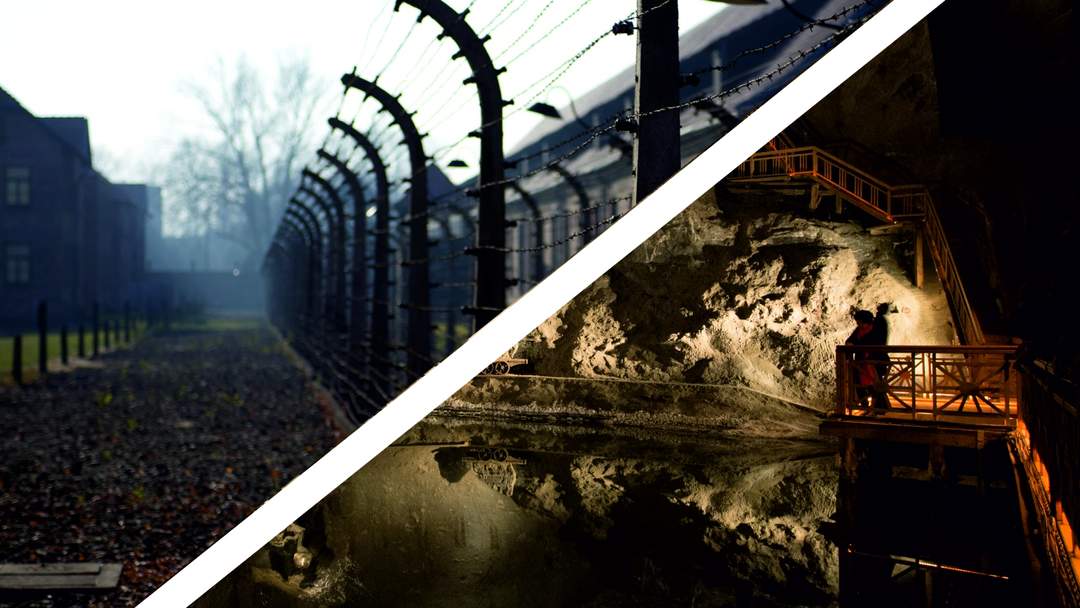
Maximize your time in Krakow with our specially curated 1 day tour, combining the essential visits to Auschwitz-Birkenau and Wieliczka Salt Mine. This one day adventure offers you a chance to experience two of Krakow's most significant and must-see locations: the historical Auschwitz Camp and the mesmerizing Salt Mine in Wieliczka. Our well organized tour ensures you don't miss out on what these sites have to offer, making your visit truly worthwhile. Book now to discover the best of Krakow in just one day trip!
Duration: 11hLive guideSkip-theLineTransportation included
Secure your skip-the-line entry to the Auschwitz-Birkenau Memorial and Museum and take part in an official guided tour led by a licensed museum educator. This is a unique opportunity to reflect on history in a respectful setting. Skip-the-line tickets are ideal for visitors who prefer to travel to the site independently and join the guided group on location.
Duration: 4hLive guideSkip-theLineTransportation included
Walk in the footsteps of history on a professionally guided visit to Auschwitz-Birkenau – one of the most important memorial sites in the world. Departing from Krakow, this all-inclusive tour offers powerful insight, respectful reflection, and seamless logistics, so you can focus on what truly matters. Led by a licensed guide, you'll visit both Auschwitz I and Auschwitz II-Birkenau and return with a deeper understanding of the past. Whether travelling solo or with others, this tour is trusted by thousands every year for its emotional impact and flawless organisation.
Duration: 7hLive guideSkip-theLineTransportation included
Book a private transfer from Krakow to Auschwitz-Birkenau Memorial and Museum and travel comfortably without worrying about public transport or fixed timetables. Choose between one-way transport or a round-trip option with the driver waiting on site.













 Duration: 11h
 Live guide
 Skip-theLine
 Transportation included