Kraków Airport Hits Record Passenger Numbers – Challenges and Future Growth
Kraków Airport has achieved a historic milestone! In 2024, it handled a record-breaking 11.1 million passengers, making it the second busiest airport in Poland after Warsaw Chopin Airport. This impressive result highlights the airport’s growing importance in both domestic and international travel and confirms Kraków’s status as a top tourist and business destination.
Why Is Kraków Airport So Popular?
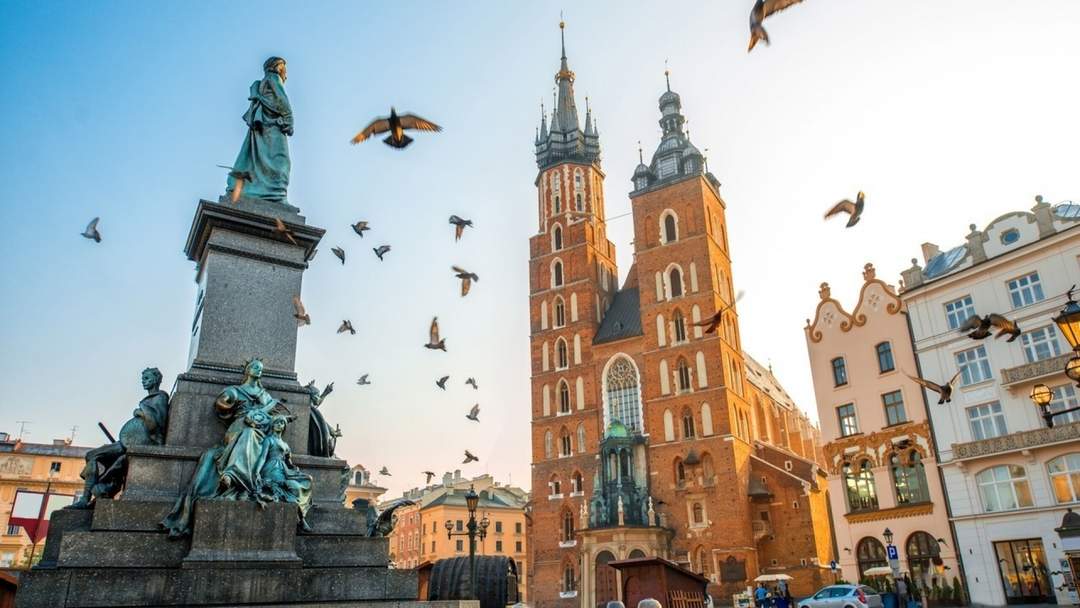
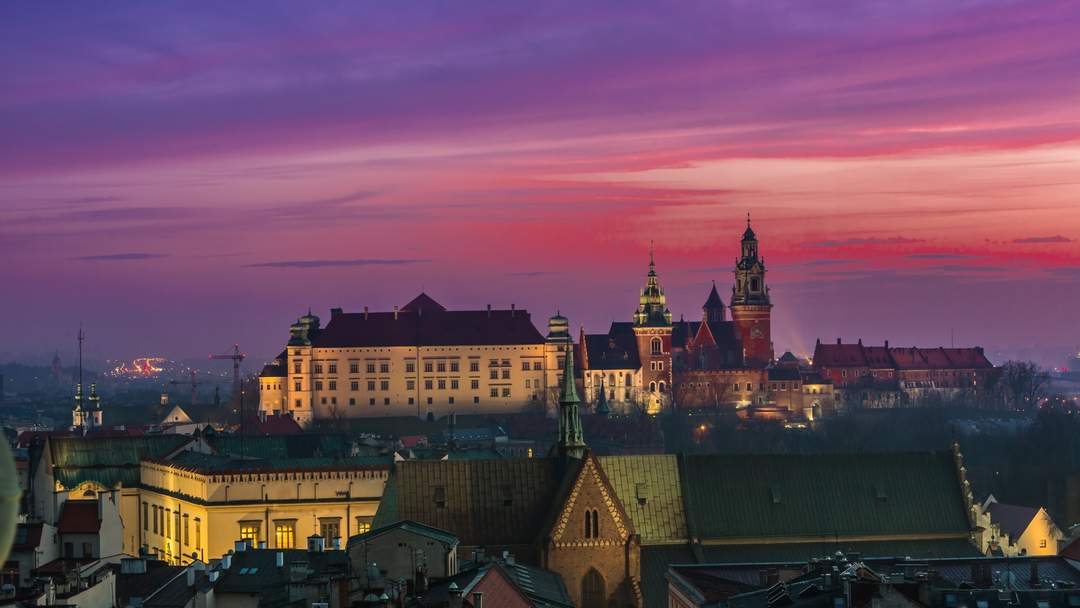
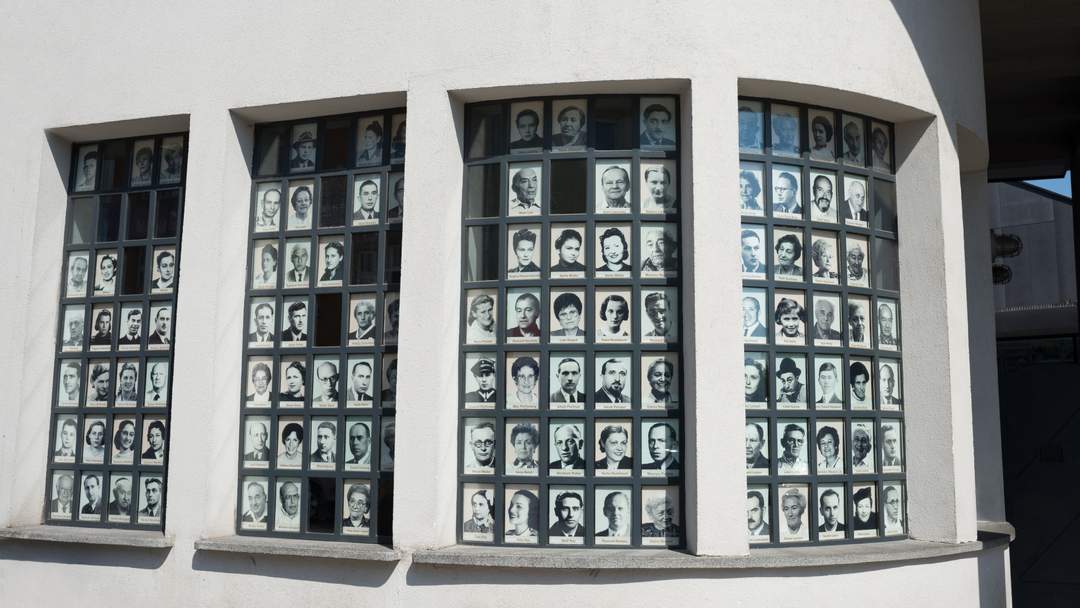
Several factors contribute to Kraków Airport’s rapid growth. The city itself is one of the most visited destinations in Central Europe, attracting tourists year-round with its historic Old Town, Wawel Castle, Kazimierz district, and proximity to attractions like Wieliczka Salt Mine and Auschwitz-Birkenau Memorial.
Additionally, the airport has significantly expanded its route network in recent years. In 2024, it offered over 150 routes to 33 countries, with Ryanair and Wizz Air continuously increasing their operations. The development of Kraków’s business sector, particularly in IT, finance, and services, has also boosted demand for flights, making the airport a crucial hub for both leisure and corporate travelers.
Winter Challenges – Delays and Flight Diversions
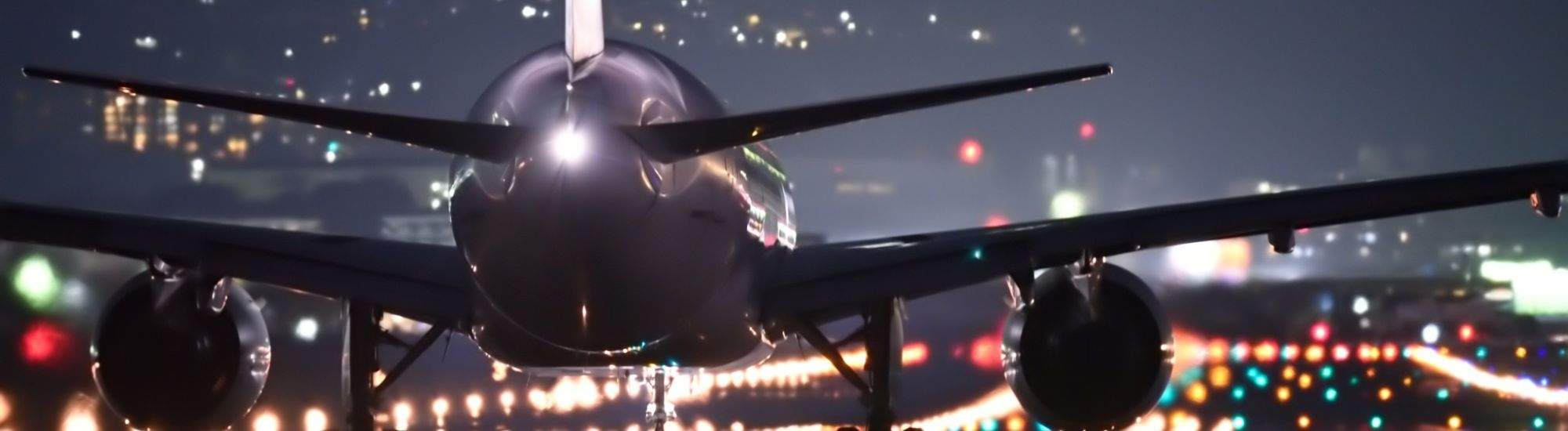
Despite its success, Kraków Airport faces serious challenges, especially in winter. Frequent fog and adverse weather conditions result in flight delays, cancellations, and diversions, with many planes being rerouted to Katowice Airport.
The main cause of these disruptions is the outdated Instrument Landing System (ILS), which struggles to support landings in low-visibility conditions. While the airport has long needed an upgrade, a tender for a new ILS system has finally been announced, aiming to improve operations and reduce disruptions caused by fog. A major international airport like Kraków should not face such recurring issues, making this upgrade a crucial investment.
Kraków Airport’s Expansion Plans
Despite these difficulties, Kraków Airport is pushing forward with ambitious expansion plans to enhance its capacity and efficiency.
New Runway and Terminal Expansion
One of the key projects is the construction of a new runway and expanded terminal, which will accommodate the increasing number of passengers. The new runway will improve flight safety and efficiency, while the larger terminal will enhance passenger comfort and streamline operations.
Europe’s Largest Ryanair Base
Kraków Airport is also set to become home to Ryanair’s largest base in Europe, featuring a state-of-the-art simulator and training center. This investment will make the airport a crucial training hub for Ryanair pilots and may lead to further expansion of its flight network.
Improving Airport Access – Transport Options for Passengers
As passenger numbers grow, ensuring efficient transport to and from the airport is essential. Currently, there are three main options:
- Train – Running every 30 minutes from Kraków Main Station, the train provides a fast and convenient 17-minute journey to the airport.
- City Buses – Regular services operated by lines 209, 300, and night bus 902 connect the airport with various parts of the city, though their frequency may be limited during peak hours.
- Private Transport – Taxis, Uber, Bolt, and organized airport transfers offer a stress-free travel alternative, eliminating concerns about schedules and availability.
For those looking for a comfortable and hassle-free transfer, Kraków Airport Transfers provide direct transportation to hotels or any location in the city, ensuring a smooth start to your trip.
The Future of Kraków Airport – Growth and Challenges
With record-breaking passenger numbers, major investments, and expansion plans, Kraków Airport is at a turning point. While its importance as a key air travel hub continues to grow, it must also overcome infrastructure challenges and improve service reliability, especially in winter.
If all planned projects are successfully completed, the airport could soon exceed 15 million passengers annually and become one of the most modern airports in Central Europe.
Back 










 Duration: 2h
 Live guide
 Transportation included



 Skip-theLine