New Exhibition at the Auschwitz Museum Sheds Light on the Fate of Poles
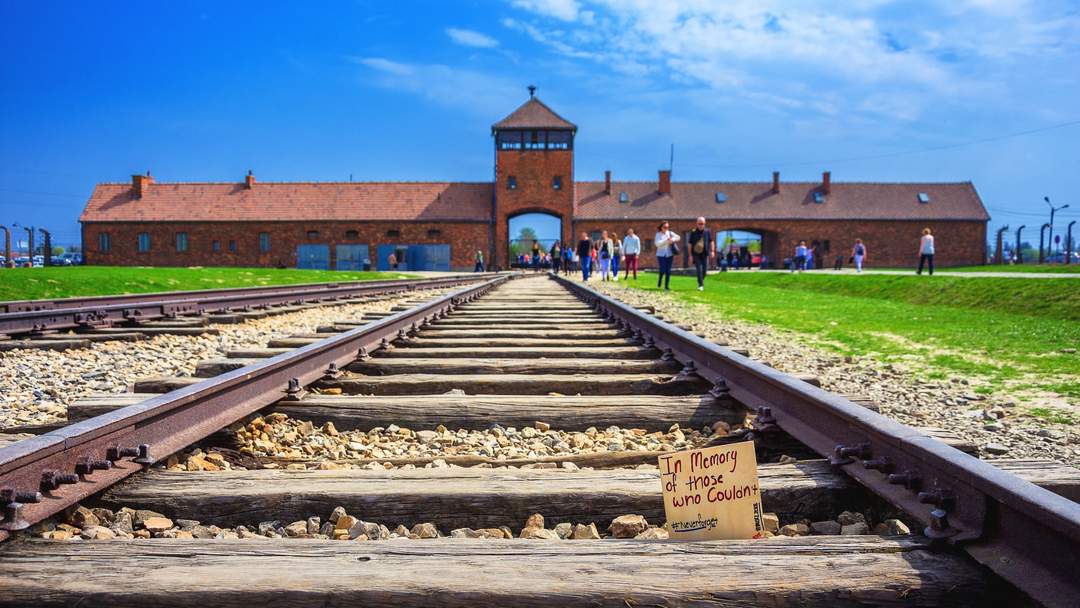
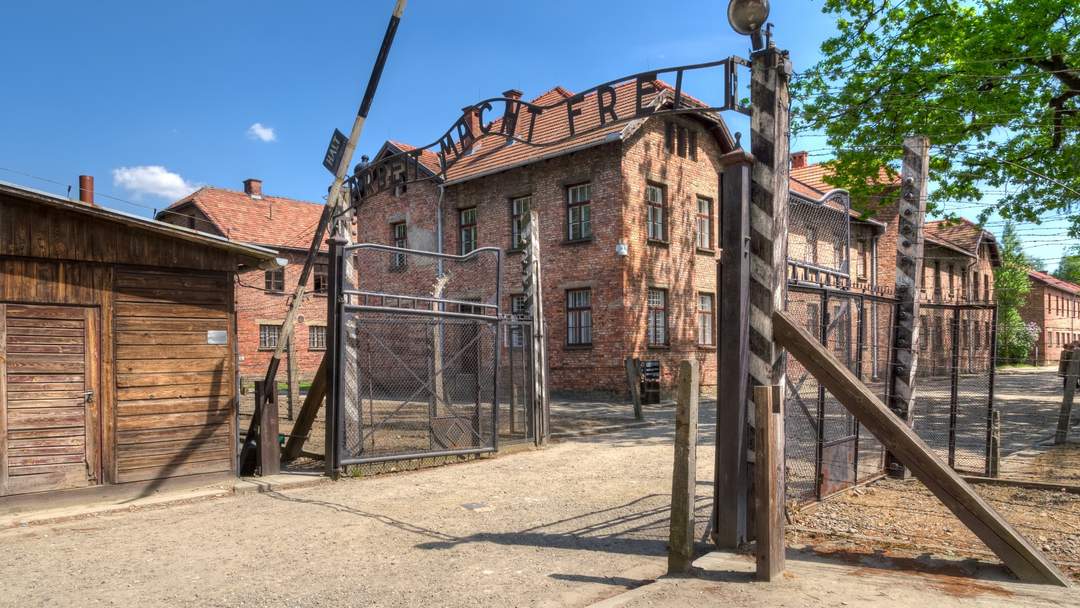
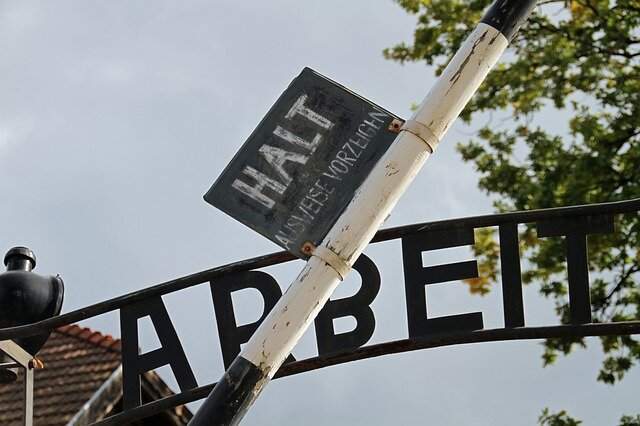
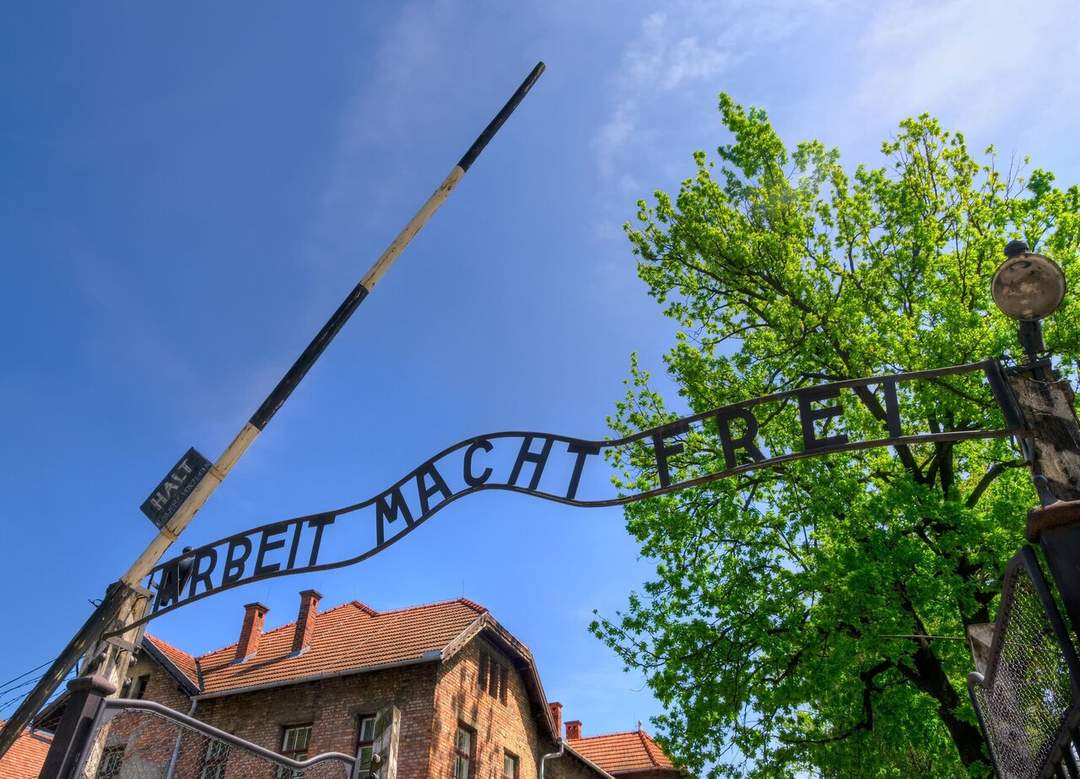
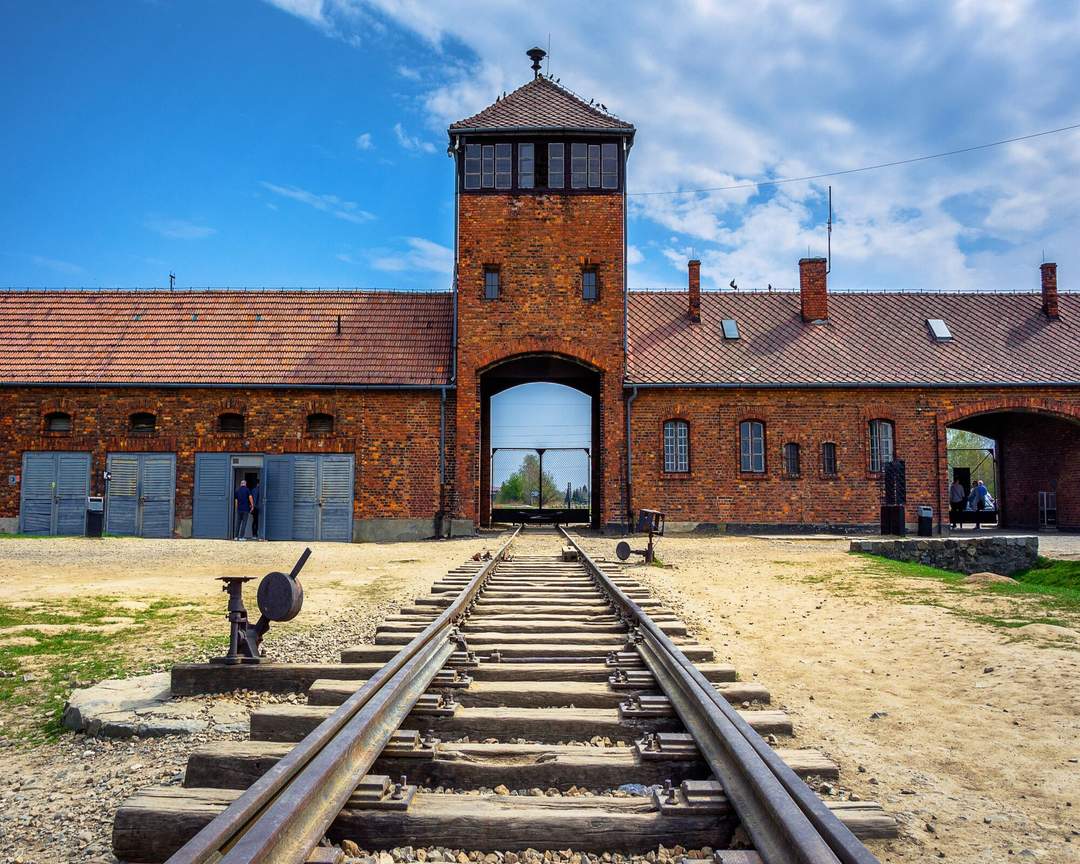
When visitors step through the infamous “Arbeit Macht Frei” gate at the Auschwitz museum, they often expect to confront the tragedy of the Holocaust in its most well-known form – the mass extermination of Jews. Yet the history of Auschwitz began earlier, with Polish prisoners who formed the first groups sent to this camp. A brand-new permanent exhibition in Block 15 aims to restore this often-overlooked part of the narrative, showing how Poles – both Christian and Jewish – were caught in the machinery of Nazi terror long before Auschwitz became the largest site of genocide in Europe.
The exhibition, titled “Poles in KL Auschwitz. In the Shadow of Extermination – Oświęcim during the German Occupation 1939–1945”, opened in September 2025. It has already been described as one of the most important curatorial projects at the museum in recent decades.
A Story Long in the Making
The Auschwitz museum has for years been developing new ways to tell its complex history. While international audiences often associate the site almost exclusively with the Holocaust, historians have stressed that Auschwitz was also a place of immense suffering for Poles. The first mass transport of prisoners, which arrived from Tarnów in June 1940, consisted entirely of Polish men. Many of them were political prisoners, arrested for resistance activity or simply for being part of the intelligentsia.
The new exhibition finally gives their stories the prominence they deserve. Survivors attending the opening, such as Bogdan Bartnikowski and Bronisława Horowitz-Karakulska, emphasized that the exhibition documents not only death and persecution, but also resilience and acts of solidarity.
For readers who want to dive deeper into those first days of the camp, this detailed article explores the beginnings: First Prisoners Auschwitz – What First Days Camp Looked.
How the Exhibition is Organized
The exhibition unfolds over two floors of Block 15, a building that underwent careful conservation before reopening. On the ground floor, visitors encounter the lives and fates of Polish prisoners inside Auschwitz. Displays cover categories of inmates ranging from political opponents to members of the underground, priests, students, and Polish Jews deported for extermination.
Upstairs, the focus shifts beyond the barbed wire to the town of Oświęcim itself, renamed Auschwitz by the Germans. This part illustrates how the occupation transformed daily life: expulsions of residents, forced labor, and the construction of German industrial plants such as IG Farben. Remarkably, it also includes a list of over 1,200 inhabitants of Oświęcim who risked their lives to help prisoners – an extraordinary reminder of courage at a time of terror.
Design with a Purpose
Unlike traditional museum displays that rely heavily on text and photographs, this exhibition uses architecture, art, and atmosphere to create an emotional experience. Darkened halls, fragments of amateur film from 1939, and original installations by Auschwitz survivor and artist Józef Szajna all serve to draw visitors into the oppressive environment.
Curator Dr. Piotr Setkiewicz and the design teams deliberately structured the exhibition as a prelude to the larger story of the Holocaust. It is placed on the main route most visitors take – ensuring that the Polish chapter is encountered before the broader museum narrative unfolds. In this way, the Auschwitz museum integrates national history with the universal lessons of genocide.
Memory, Politics, and Education
The significance of this exhibition goes far beyond museum walls. In her opening remarks, Poland’s Minister of Culture stressed that preserving the memory of Polish victims is essential, especially as the last survivors grow fewer each year. She reminded the audience that freedom and dignity are fragile values, never guaranteed, and must be safeguarded through remembrance and education.
This perspective also resonates with ongoing debates about how different nations remember World War II. For international visitors, the new display may challenge preconceptions by highlighting that Auschwitz was not only the site of Jewish extermination, but also a prison and execution ground for Poles, Soviet POWs, and other groups. The exhibition invites reflection on how local history connects with global memory.
What This Means for Visitors
For many tourists, a visit to the Auschwitz museum is one of the most intense experiences of their journey through Poland. Until now, the story of Polish prisoners was less visible within the permanent exhibitions. With the opening of Block 15, visitors gain a new perspective – one that frames Auschwitz not only as a place of mass extermination, but also as a concentration camp that evolved over time.
The exhibition is designed with both individual travelers and guided groups in mind. On the ground floor, concise panels and strong visuals ensure that even visitors with limited time grasp the core message. The upper floor provides more in-depth materials for those who want to study and reflect further.
Why This Exhibition Matters Today
Eighty years after the liberation of Auschwitz, the challenge is no longer only to preserve ruins and documents, but to keep memory alive in a way that resonates with younger generations. The exhibition’s immersive design shows that museums today must go beyond presenting facts – they must engage emotions, provoke thought, and confront visitors with uncomfortable truths.
The decision to emphasize solidarity – by naming over a thousand local helpers – also makes the exhibition relevant for our times. It asks visitors to consider moral choices: what does it mean to resist oppression, even in small acts of kindness? How can societies guard against indifference in the face of injustice?
A Prologue to the Auschwitz Experience
Ultimately, this new exhibition acts as a prologue. Before visitors encounter the larger Holocaust story told throughout the museum, Block 15 ensures they understand the roots: the arrests, deportations, and early days when the first prisoners in striped uniforms were overwhelmingly Polish.
By situating Polish experiences at the entrance to the Auschwitz museum’s main route, curators underline that the Holocaust did not emerge in a vacuum. It grew out of earlier systems of repression, and the fates of Poles are inseparable from the broader narrative of genocide.
Looking Ahead
The Auschwitz museum plans to continue developing exhibitions and educational programs in the coming years, but Block 15 already represents a milestone. It restores balance to the way history is told on this sacred ground, reminding the world that Auschwitz was at once a Polish story, a Jewish story, and a universal story of human suffering and resilience.
As survivors emphasized during the opening, this is not only about the past. It is a warning for the future. In the words of one of them: “We must remember so that the dignity and rights denied here will never be denied again.”
More information about the exhibition is available directly from the official Auschwitz Museum website
Back 














 Duration: 11h
 Live guide
 Skip-theLine
 Transportation included