Auschwitz II – Birkenau: The Largest Extermination Camp of WWII
May 6, 2021
Explore Auschwitz II – Birkenau, the largest Nazi extermination camp. Learn about its history, camp structure, and its role in the Holocaust.
May 6, 2021
The Scale and Significance of Auschwitz II–Birkenau
The Auschwitz II – Birkenau subcamp was established as part of the Nazi concentration and extermination complex near Oświęcim. Built in 1941, it became the largest Nazi death camp, where over a million people perished, primarily Jews, as part of the Final Solution. Today, the site remains a symbol of the Holocaust and a place of remembrance.
Origins of Auschwitz II – Birkenau
The first plans for Auschwitz II – Birkenau emerged in spring 1941, following a visit by Heinrich Himmler to Auschwitz I. The new camp was built in Brzezinka (Birkenau), about 3 km from Auschwitz I, originally intended for Soviet prisoners of war.
Construction began in October 1941, with prisoners forced to work in inhumane conditions. The site was chosen due to its secluded, marshy terrain, which facilitated Nazi secrecy and mass extermination. Local residents were displaced, and the area was incorporated into the so-called interest zone of the Auschwitz camp.
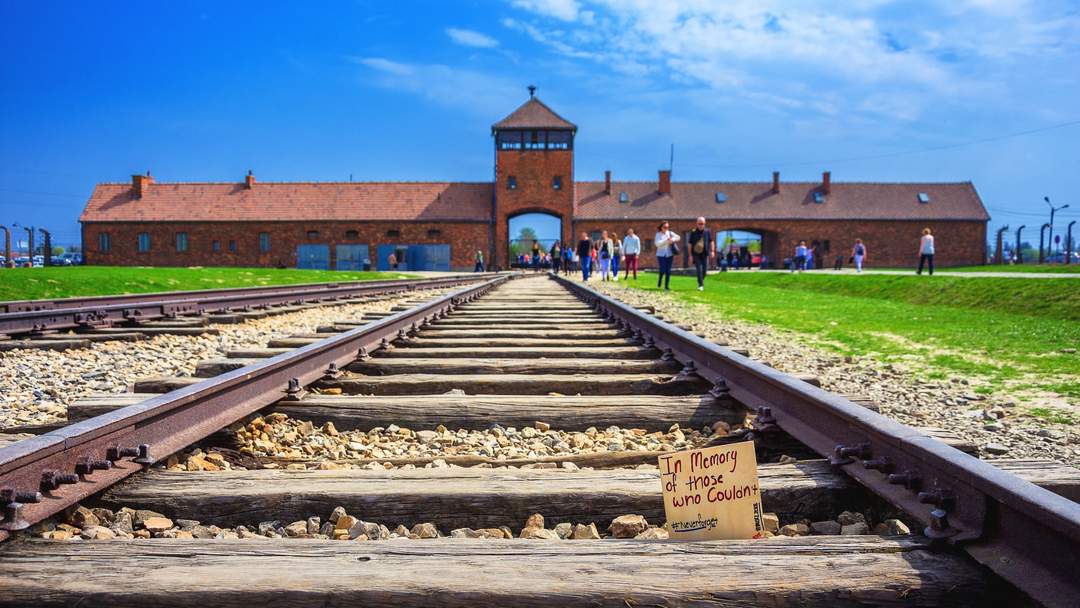
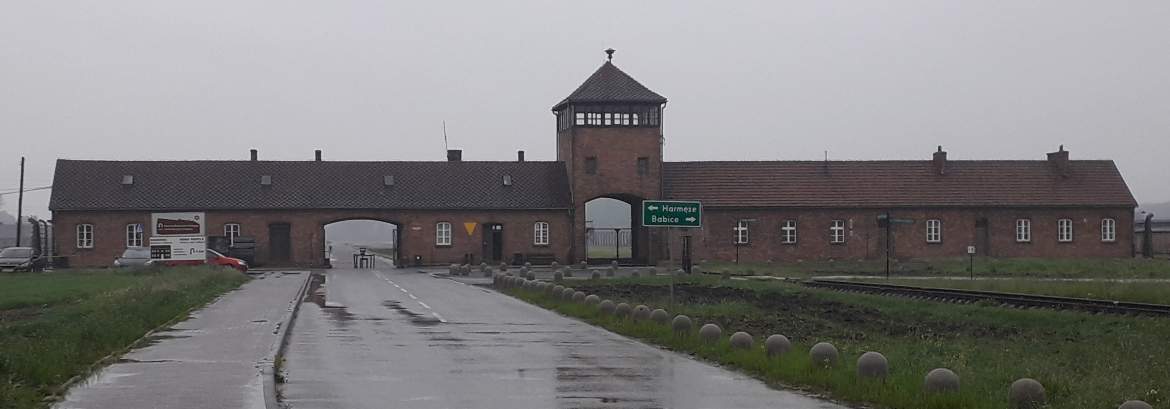
Death Gate and guard tower at Auschwitz II - Birkenau
Location and Camp Conditions
Auschwitz II – Birkenau was constructed on 140 hectares, surrounded by barbed-wire fences and guard towers. Prisoners were initially forced to build drainage canals, then brick barracks, watchtowers, and fences.
By 1944, the camp had over 300 buildings, mostly wooden barracks, originally horse stables, repurposed as prisoner dormitories. These overcrowded, unsanitary conditions led to rampant disease, malnutrition, and extreme suffering.
At its peak in mid-1944, 90,000 prisoners were crammed into Birkenau, enduring forced labor and brutal treatment by SS guards.
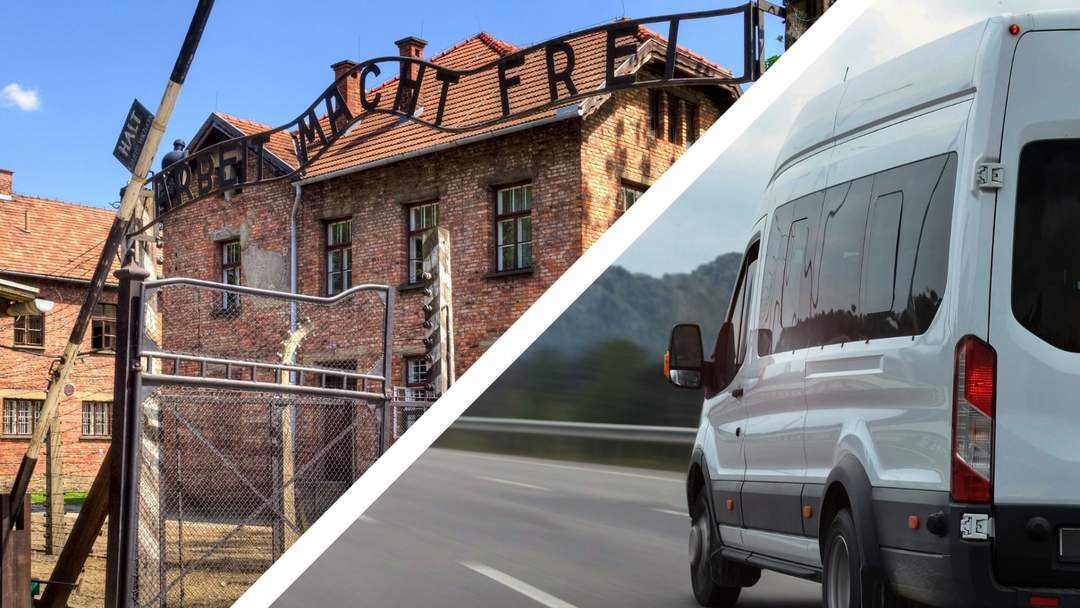
Walk in the footsteps of history on a professionally guided visit to Auschwitz-Birkenau – one of the most important memorial sites in the world. Departing from Krakow, this all-inclusive tour offers powerful insight, respectful reflection, and seamless logistics, so you can focus on what truly matters. Led by a licensed guide, you'll visit both Auschwitz I and Auschwitz II-Birkenau and return with a deeper understanding of the past. Whether travelling solo or with others, this tour is trusted by thousands every year for its emotional impact and flawless organisation.
Duration: 7hLive guideSkip-theLineTransportation included
Secure your skip-the-line entry to the Auschwitz-Birkenau Memorial and Museum and take part in an official guided tour led by a licensed museum educator. This is a unique opportunity to reflect on history in a respectful setting. Skip-the-line tickets are ideal for visitors who prefer to travel to the site independently and join the guided group on location.
Duration: 4hLive guideSkip-theLineTransportation included
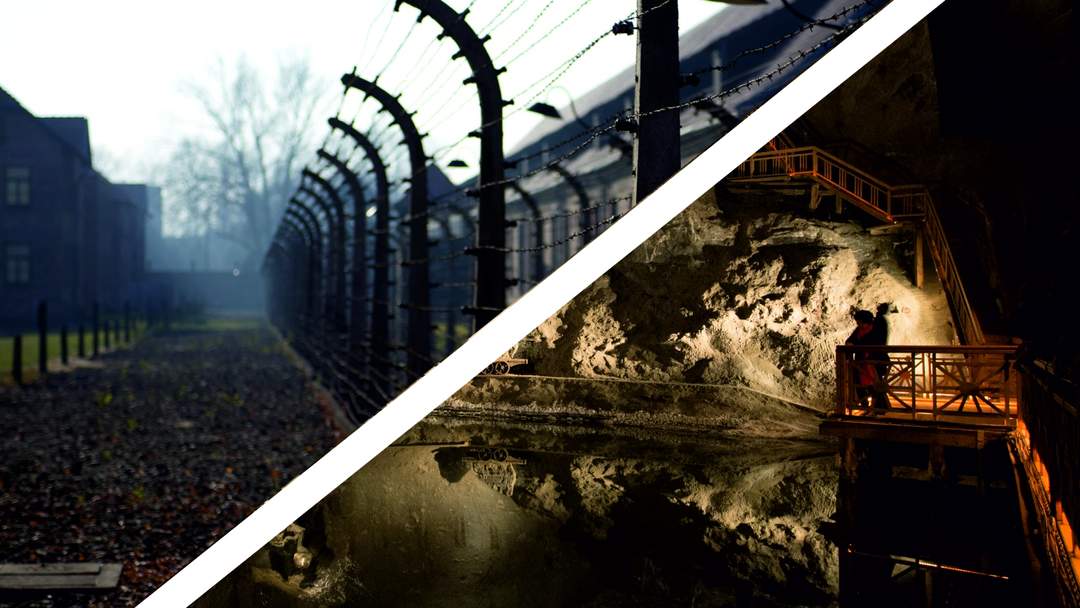
Maximize your time in Krakow with our specially curated 1 day tour, combining the essential visits to Auschwitz-Birkenau and Wieliczka Salt Mine. This one day adventure offers you a chance to experience two of Krakow's most significant and must-see locations: the historical Auschwitz Camp and the mesmerizing Salt Mine in Wieliczka. Our well organized tour ensures you don't miss out on what these sites have to offer, making your visit truly worthwhile. Book now to discover the best of Krakow in just one day trip!
Duration: 11hLive guideSkip-theLineTransportation included
Book a private transfer from Krakow to Auschwitz-Birkenau Memorial and Museum and travel comfortably without worrying about public transport or fixed timetables. Choose between one-way transport or a round-trip option with the driver waiting on site.
International Monument to the Victims at Auschwitz II - Birkenau
Liberation and Post-War Legacy
On January 27, 1945, Auschwitz II – Birkenau was liberated by the Red Army, revealing the scale of Nazi atrocities. Today, the ruins of crematoria, preserved barracks, and the International Monument to the Victims serve as a lasting reminder of the horrors of the Holocaust.
Visiting Auschwitz II – Birkenau Today
As part of the Auschwitz-Birkenau Memorial and Museum, Birkenau remains one of the most significant historical sites in Poland. Visitors can:
Walk through the “Death Gate” where trains carrying victims arrived.
See the remains of Krematoria II and III, destroyed by the Nazis.
Reflect at the International Monument to the Victims of Auschwitz.













 Duration: 7h
 Live guide
 Skip-theLine
 Transportation included