Krakow Old Town – History, Highlights, and Timeless Charm
May 7, 2021
Explore Krakow’s UNESCO-listed Old Town – from medieval origins to vibrant city life. History, highlights, and tips for your visit inside.
May 7, 2021
A Walk Through Krakow’s Old Town – History at the City’s Heart
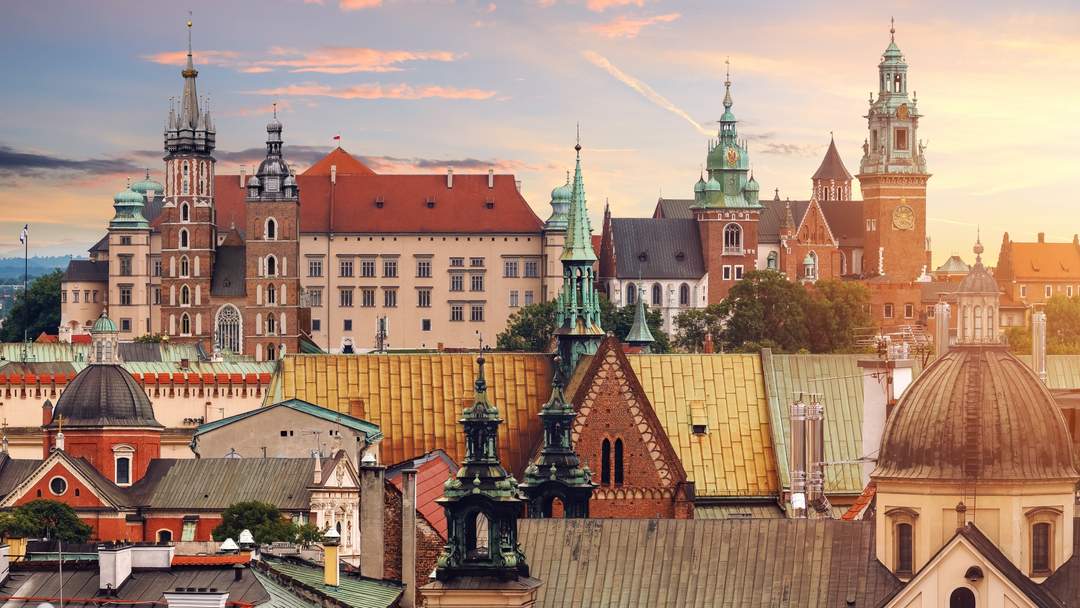
While wandering around Krakow, you’ll inevitably find yourself in the Old Town, the city’s beating heart and one of the most beautiful historic centers in Europe. Easily spotted on the map, it’s surrounded by a green ring – Planty Park – where the medieval city walls once stood. This unique blend of history and daily life was recognized in 1978, when Krakow’s Old Town, together with the Kazimierz district, was included on the UNESCO World Heritage List.
History of Krakow Old Town
Krakow’s origins date back to the 7th and 8th centuries, when settlements of the Vistulan tribe began to appear in the area. Before Wawel Castle was built, there was a fortified village called Okół near today’s St. Mary Magdalene Square. A treasure found in the 20th century – over 4,000 iron bars used as currency – confirmed the site’s early significance.
To the north of Okół, in the area of the present-day Main Square, artisans and merchants established what would later become the pre-charter settlement. These early buildings were mostly wooden, which made them vulnerable to destruction during the Tatar invasion of 1241. After the settlement was burned down, Krakow was rebuilt and granted city rights in 1257 under the Magdeburg Law, which led to the development of the Main Square and the characteristic grid of surrounding streets.
In the following centuries, Krakow flourished. City walls were expanded, churches and universities were built, and in 1364, King Casimir the Great founded the Jagiellonian University, one of the oldest in Central Europe. By the Renaissance, brick townhouses replaced earlier wooden ones – many of which can still be seen today, especially on Kanonicza Street.
The city experienced a golden age in the 15th and 16th centuries, followed by a period of decline. After being ravaged during the Swedish Deluge and various uprisings, including Kościuszko’s in 1794, Krakow fell under Austrian control during the partitions of Poland.
In the 19th century, dramatic changes reshaped the Old Town: the medieval town hall was demolished, some churches were removed, and the moat was filled in to make way for Planty Park. Still, cultural life thrived, with landmarks like the Czartoryski Museum and the Słowacki Theatre opening during this time.
During the German occupation (1939–1945), many buildings in the Old Town were looted, and Krakow’s schools and universities remained closed.
Explore Krakow on a guided city tour with a licensed local guide. Walk through the city’s most iconic districts, such as the Old Town or Kazimierz, and learn about their history through engaging stories and reliable historical insights. This tour is a perfect introduction to Krakow, offering both famous landmarks and lesser-known places explained by a professional guide who is happy to answer your questions.
Duration: 2h - 3hLive guideSkip-theLineTransportation included
Explore Krakow’s Old Town at your own pace with a professionally prepared audio guide. This self-guided walking tour takes you through the most important sites of the historic centre, including Krakow’s Main Square and its surrounding streets. Listen to engaging commentary filled with history, fascinating facts, legends and local trivia – an ideal introduction to Krakow for first-time visitors and independent travellers.
Explore Krakow in a fast, comfortable, and eco-friendly way with a Krakow City Tour by electric golf cart. This sightseeing tour is a great introduction to the city, especially for first-time visitors or travellers with limited time who want to see the highlights without long walks.
During the ride, you will explore key areas of Krakow, including the Old Town surroundings, Kazimierz – the historic Jewish district, and parts of Podgórze, where the famous Schindler’s Factory was located. A professionally prepared audio guide provides historical context and helps you understand the city’s past and character.
This electric car tour allows you to see more in less time while staying comfortable in all weather conditions, making it an easy and practical way to start exploring Krakow.
Duration: 1h - 2hAudio GuideTransportation included
Join a Krakow ghost tour that reveals the city’s darkest secrets after nightfall. This guided walk through the Old Town combines spooky legends, true crime stories and dark history, told in an engaging, thriller-style narrative by a licensed local guide. If you enjoy chills, mystery and a different side of Krakow, this evening experience is for you. Recommended for participants aged 15 and over.
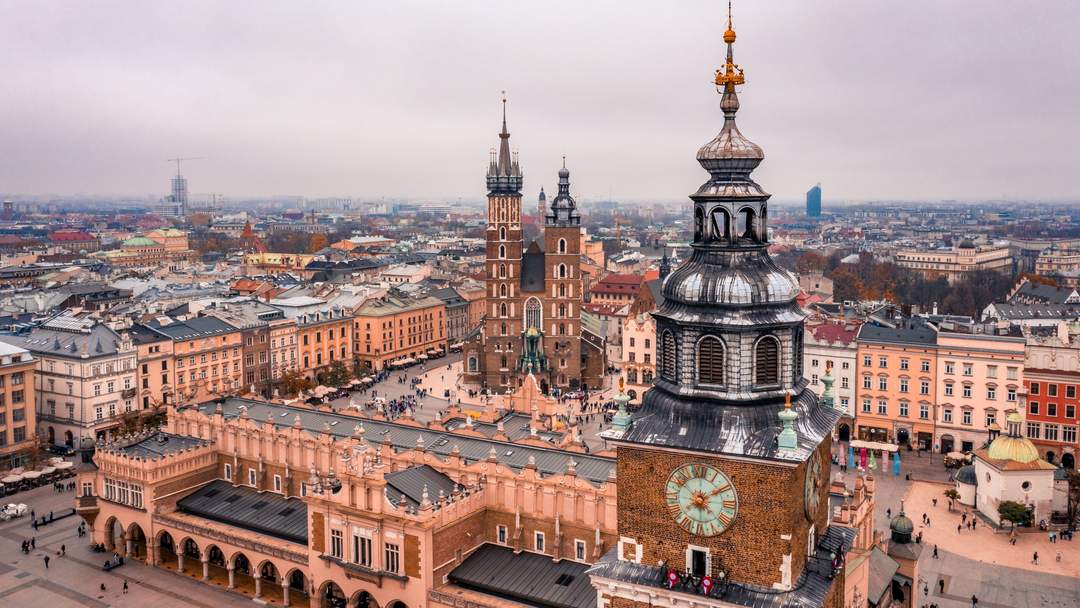
Today, Krakow’s Old Town is one of the most intact and atmospheric medieval centers in Europe. Its architecture from various eras, combined with the lively rhythm of everyday life, makes it one of Poland’s most beloved destinations. Most cultural events, festivals, and tourism are centered around the Main Market Square and nearby streets like Floriańska, Grodzka, and Szewska.
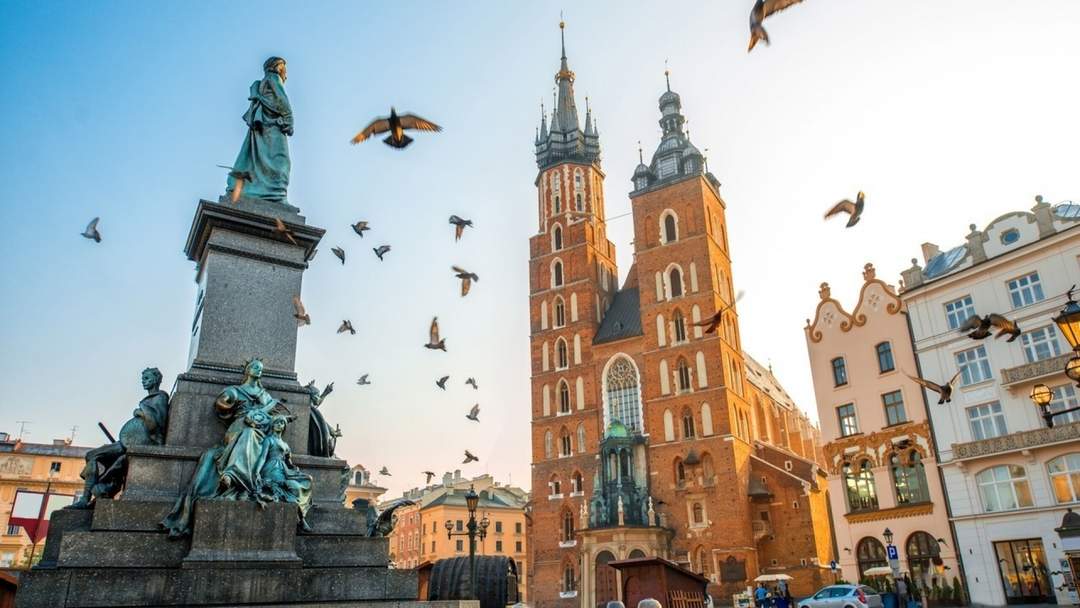
The Main Square – the largest preserved medieval square in Europe – is lined with iconic buildings such as:
the Cloth Hall (Sukiennice), still home to traders and an art gallery,
St. Mary’s Basilica, where the trumpet call (hejnał) sounds every hour,
the ever-present carts offering obwarzanek krakowski, a local snack you must try.
📍 Planning to explore Krakow’s most famous historic path? 👉 Walk the Royal Route
Explore Krakow on a guided city tour with a licensed local guide. Walk through the city’s most iconic districts, such as the Old Town or Kazimierz, and learn about their history through engaging stories and reliable historical insights. This tour is a perfect introduction to Krakow, offering both famous landmarks and lesser-known places explained by a professional guide who is happy to answer your questions.
Duration: 2h - 3hLive guideSkip-theLineTransportation included
Explore Krakow’s Old Town at your own pace with a professionally prepared audio guide. This self-guided walking tour takes you through the most important sites of the historic centre, including Krakow’s Main Square and its surrounding streets. Listen to engaging commentary filled with history, fascinating facts, legends and local trivia – an ideal introduction to Krakow for first-time visitors and independent travellers.
Explore Krakow in a fast, comfortable, and eco-friendly way with a Krakow City Tour by electric golf cart. This sightseeing tour is a great introduction to the city, especially for first-time visitors or travellers with limited time who want to see the highlights without long walks.
During the ride, you will explore key areas of Krakow, including the Old Town surroundings, Kazimierz – the historic Jewish district, and parts of Podgórze, where the famous Schindler’s Factory was located. A professionally prepared audio guide provides historical context and helps you understand the city’s past and character.
This electric car tour allows you to see more in less time while staying comfortable in all weather conditions, making it an easy and practical way to start exploring Krakow.
Duration: 1h - 2hAudio GuideTransportation included
Join a Krakow ghost tour that reveals the city’s darkest secrets after nightfall. This guided walk through the Old Town combines spooky legends, true crime stories and dark history, told in an engaging, thriller-style narrative by a licensed local guide. If you enjoy chills, mystery and a different side of Krakow, this evening experience is for you. Recommended for participants aged 15 and over.
The Cloth Hall (Sukiennice) Once a hub of trade, today it hosts local crafts, souvenirs, the 19th-Century Polish Art Gallery, and the Rynek Underground Museum.
Cellar Under the Rams A legendary literary cabaret, established in 1956.
Florian Gate and the Barbican Remnants of the medieval fortifications, showcasing Krakow’s defensive architecture.
Franciszkańska 3 – Papal Window From this window, Popes John Paul II, Benedict XVI, and Francis addressed crowds gathered below.
Final Thoughts
Krakow’s Old Town is more than just a tourist hotspot – it’s a living museum of Polish history and culture. Whether you’re walking the Royal Route, exploring churches and museums, or relaxing with coffee in a cobblestone square, every corner tells a story. It’s no surprise that Krakow’s Old Town was one of the very first UNESCO World Heritage Sites.
Explore Krakow in a fast, comfortable, and eco-friendly way with a Krakow City Tour by electric golf cart. This sightseeing tour is a great introduction to the city, especially for first-time visitors or travellers with limited time who want to see the highlights without long walks.
During the ride, you will explore key areas of Krakow, including the Old Town surroundings, Kazimierz – the historic Jewish district, and parts of Podgórze, where the famous Schindler’s Factory was located. A professionally prepared audio guide provides historical context and helps you understand the city’s past and character.
This electric car tour allows you to see more in less time while staying comfortable in all weather conditions, making it an easy and practical way to start exploring Krakow.
Duration: 1h - 2hAudio GuideTransportation included
Join a Krakow ghost tour that reveals the city’s darkest secrets after nightfall. This guided walk through the Old Town combines spooky legends, true crime stories and dark history, told in an engaging, thriller-style narrative by a licensed local guide. If you enjoy chills, mystery and a different side of Krakow, this evening experience is for you. Recommended for participants aged 15 and over.
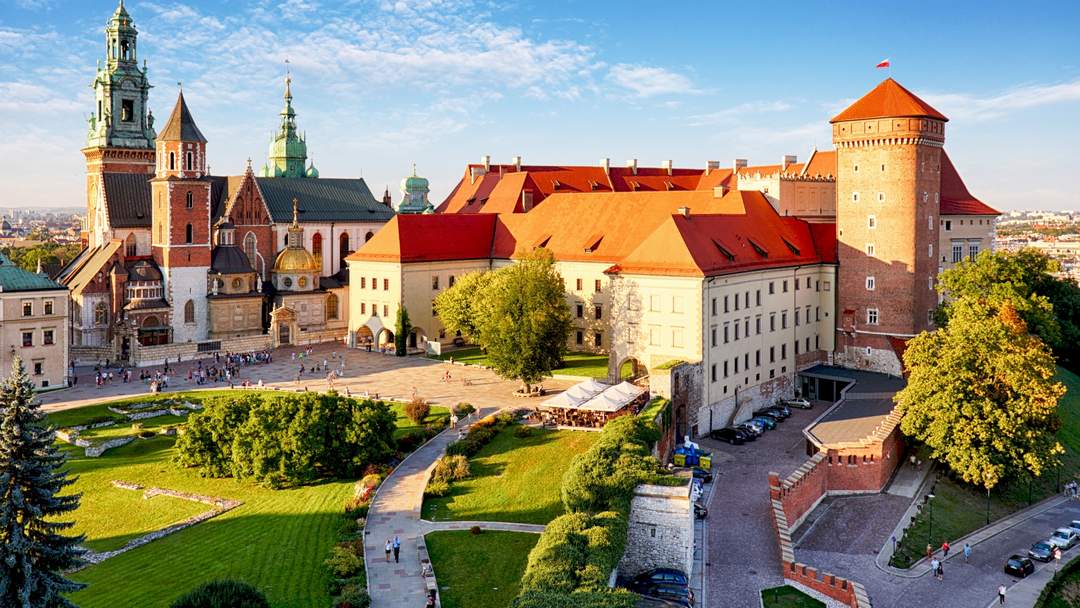
Explore Wawel Castle in Krakow from the outside and understand its history, architecture, and royal significance during a relaxed self-guided walk with a professional audio guide. This tour focuses on Wawel Hill and the castle grounds, offering clear historical context before visiting the castle interiors or booking Wawel Castle tickets.
Once the former residence of Polish kings, Wawel Castle remains one of the most important landmarks in Poland. This audio tour helps you experience the site with deeper understanding – without rushing, crowds, or fixed schedules – making it an ideal introduction to any Wawel Castle visit.
Explore Krakow on a guided city tour with a licensed local guide. Walk through the city’s most iconic districts, such as the Old Town or Kazimierz, and learn about their history through engaging stories and reliable historical insights. This tour is a perfect introduction to Krakow, offering both famous landmarks and lesser-known places explained by a professional guide who is happy to answer your questions.
Duration: 2h - 3hLive guideSkip-theLineTransportation included
Explore Krakow’s Old Town at your own pace with a professionally prepared audio guide. This self-guided walking tour takes you through the most important sites of the historic centre, including Krakow’s Main Square and its surrounding streets. Listen to engaging commentary filled with history, fascinating facts, legends and local trivia – an ideal introduction to Krakow for first-time visitors and independent travellers.











 Duration: 2h - 3h
 Live guide
 Skip-theLine
 Transportation included