Wieliczka Salt Mine Legends - Mysterious Stories from Underground Poland
September 22, 2021
Discover haunting legends of the Wieliczka Salt Mine: Saint Kinga, the White Lady, and the Treasurer. Explore the mine where myths come to life!
September 22, 2021
Legends, Ghosts and Mysteries of the Wieliczka Salt Mine
Magic rings, ghostly apparitions, and age-old Slavic demons. The corridors of the Wieliczka Salt Mine hold more than salt-they’re steeped in myths passed down through generations. These fascinating tales add a touch of mystery to one of Poland’s most famous UNESCO-listed attractions. Discover the stories you might hear echoed through the tunnels on your next visit.
The Most Famous Salt Mine Legends
The Legend of Saint Kinga
This tale is as old as the mine itself. When Prince Bolesław the Chaste proposed to the Hungarian princess Kinga, he gifted her a beautiful engagement ring. For her dowry, Kinga requested salt-rare and precious at the time. Her father, King Béla IV, offered her the richest salt mine in Transylvania, but it was too far from her future home in Poland. In a symbolic act, she threw her ring into the shaft of the mine.
After arriving in Poland, while visiting the village of Wieliczka near Krakow, a lump of salt was found in a field. Inside it was Kinga’s ring-the very one she had thrown into the Transylvanian mine. It was seen as a divine sign to begin digging-revealing what became the Wieliczka Salt Mine.
Reconstruction of a scene from the legend, carved in salt
The Legend of the Treasurer
The Treasurer is a figure from old Slavic beliefs-a guardian demon of the underground who protected miners. Though a spirit, he wasn’t malevolent. He warned of cave-ins and floods, helped miners find their way through dark tunnels, and led lost souls to peace. But he also demanded honesty and hard work.
It’s important to remember that in Slavic folklore, not all demons were evil. Many were household spirits who protected people or places-like the Leshy, guardian of the forest. The word “demon” only took on a darker meaning with the rise of Christianity.
One tale tells of a young boy who started working in the mine after his father died. He went to the steiger (the mine manager) and asked for a job. At first, the steiger thought him too small and frail for such hard work, but finally agreed to a trial week.
On the brink of giving up, the boy was helped by an old miner-who offered his assistance in exchange for half the pay. Thanks to this deal, the boy completed the day's work and impressed the foreman. The next day, when the boy came to give the old miner his share, the man laughed and revealed his true identity: he was the Treasurer. He told the boy to keep the money and always remain honest. Then he vanished.
Take a half-day guided tour from Krakow to the famous Wieliczka Salt Mine – one of the most unique and visited attractions in Poland.Travel in comfort with round-trip transport included, skip the queues with fast-track entry, and explore a stunning underground world carved entirely out of salt. Follow a local expert guide through 2.5 km of tunnels, salt lakes, chambers and chapels, including the breathtaking Chapel of St. Kinga. Feel the cool, mineral-rich air in this UNESCO-listed site and uncover 700 years of fascinating history, art and geology – all just a short drive from Krakow. Perfect for families, culture lovers and curious travellers looking for an unforgettable experience near Krakow.
Duration: 4h - 5hLive guideSkip-theLineTransportation included
Get your Wieliczka Salt Mine tickets in advance and skip the ticket office queues. This entry ticket with guided tour guarantees access to one of Poland’s most iconic UNESCO World Heritage Sites, with a local expert leading you through 2.5 km of underground chambers, tunnels and chapels – including the stunning Chapel of St. Kinga. Choose your language, select your tour date and preferred time, and enjoy a seamless experience without the stress of same-day availability or long lines.
Book online now to guarantee your entry to this unforgettable underground experience in Poland.
Duration: 3hLive guideSkip-theLineTransportation included
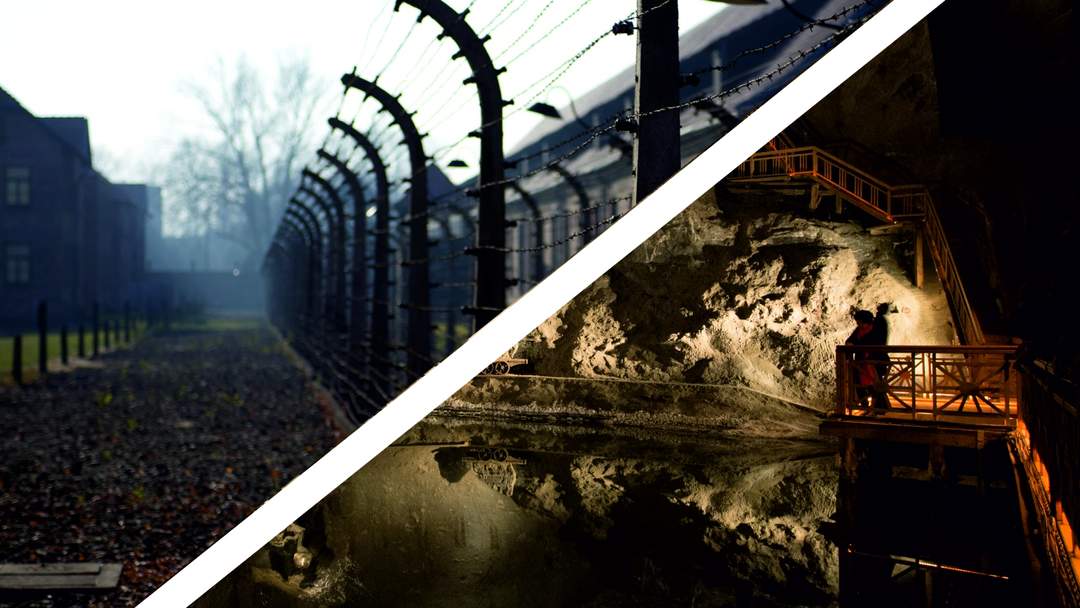
Maximize your time in Krakow with our specially curated 1 day tour, combining the essential visits to Auschwitz-Birkenau and Wieliczka Salt Mine. This one day adventure offers you a chance to experience two of Krakow's most significant and must-see locations: the historical Auschwitz Camp and the mesmerizing Salt Mine in Wieliczka. Our well organized tour ensures you don't miss out on what these sites have to offer, making your visit truly worthwhile. Book now to discover the best of Krakow in just one day trip!
Duration: 11hLive guideSkip-theLineTransportation included
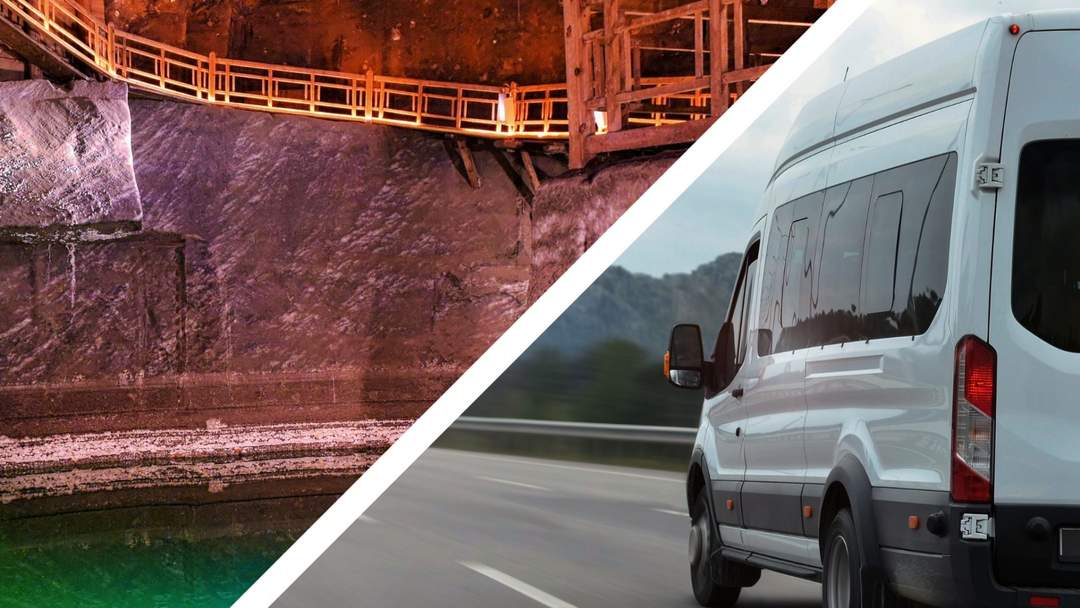
Book a private transfer from Krakow to Wieliczka Salt Mine and enjoy a smooth, comfortable journey without worrying about public transport or parking. Travel at your own pace and focus entirely on your underground experience.
Miners once spoke of a woman dressed in white who haunted the tunnels, drawing men to their doom. Her mouth was blood red, her skin pale as chalk. One miner, Michałek, stayed late one night and encountered her sitting silently on a barrel.
Instead of fleeing, he spoke with her. She told him her story-of love, heartbreak, and being cursed to remain underground until someone helped her leave. Not wanting to disturb his work, she called out to a group of gnomes that scurried out from behind her to assist him.
She explained she had once loved a miner who was drafted into the army and never returned. To pass the time, she created stunning salt formations, hoping to surprise him one day. When she finally tried to leave the mine, she found she was cursed-unable to exit on her own.
Michałek carried her toward the exit, but the closer they came to daylight, the heavier she grew. At the mine’s mouth, just as sunlight hit her, she dissolved into a cloud of salt. Since then, the White Lady has not been seen again.
The legend of the White Lady from the mine is one of the less known
Siuda Baba
Though not directly tied to the mine, this Easter tradition from Wieliczka and nearby Lednica Górna has roots in old Slavic legends. A soot-covered figure (played by a man), accompanied by a whip-wielding "Gypsy" and villagers in traditional Cracovian costumes, goes door to door smearing soot on young women.
The origin? A priestess once guarded a sacred fire in a nearby grove. After a year’s service-dirty and exhausted-she would roam the village in search of a successor. Being marked meant being chosen. Today, it’s seen as a good omen.
Siuda Baba
A Tour Steeped in Storytelling
These legends come alive underground, where salt sculptures and atmospheric lighting bring the past to life. If you're planning a visit, don’t miss our guide on how to prepare for the Wieliczka Salt Mine. Who knows? You might hear whispers of Kinga, see a flash of gnome-like helpers, or catch a glimpse of the Treasurer.
Explore the depths, listen to the tales, and let the mine's magic take hold.
Get your Wieliczka Salt Mine tickets in advance and skip the ticket office queues. This entry ticket with guided tour guarantees access to one of Poland’s most iconic UNESCO World Heritage Sites, with a local expert leading you through 2.5 km of underground chambers, tunnels and chapels – including the stunning Chapel of St. Kinga. Choose your language, select your tour date and preferred time, and enjoy a seamless experience without the stress of same-day availability or long lines.
Book online now to guarantee your entry to this unforgettable underground experience in Poland.
Duration: 3hLive guideSkip-theLineTransportation included
Maximize your time in Krakow with our specially curated 1 day tour, combining the essential visits to Auschwitz-Birkenau and Wieliczka Salt Mine. This one day adventure offers you a chance to experience two of Krakow's most significant and must-see locations: the historical Auschwitz Camp and the mesmerizing Salt Mine in Wieliczka. Our well organized tour ensures you don't miss out on what these sites have to offer, making your visit truly worthwhile. Book now to discover the best of Krakow in just one day trip!
Duration: 11hLive guideSkip-theLineTransportation included
Take a half-day guided tour from Krakow to the famous Wieliczka Salt Mine – one of the most unique and visited attractions in Poland.Travel in comfort with round-trip transport included, skip the queues with fast-track entry, and explore a stunning underground world carved entirely out of salt. Follow a local expert guide through 2.5 km of tunnels, salt lakes, chambers and chapels, including the breathtaking Chapel of St. Kinga. Feel the cool, mineral-rich air in this UNESCO-listed site and uncover 700 years of fascinating history, art and geology – all just a short drive from Krakow. Perfect for families, culture lovers and curious travellers looking for an unforgettable experience near Krakow.
Duration: 4h - 5hLive guideSkip-theLineTransportation included
Book a private transfer from Krakow to Wieliczka Salt Mine and enjoy a smooth, comfortable journey without worrying about public transport or parking. Travel at your own pace and focus entirely on your underground experience.









 Duration: 4h - 5h
 Live guide
 Skip-theLine
 Transportation included