From The Neolithic To The Present Day. The history of the Wieliczka Salt Mine
October 20, 2021
Learn about the rich history of the Wieliczka Salt Mine – from prehistoric brine to UNESCO glory. A fascinating journey through centuries of mining and legend.
October 20, 2021
The History of the Wieliczka Salt Mine
For centuries, salt was considered a treasure – even called "white gold". Its discovery and exploitation transformed local communities, brought prosperity, and put Wieliczka on the map as a vital hub on Europe’s salt trade routes. Today, the Wieliczka Salt Mine stands not only as a UNESCO-listed heritage site but also as a testament to centuries of human ingenuity and endurance.
The Origins of Salt Mining in Wieliczka
Salt exploitation in the region began with brine springs, as early as 3000 BC. Archaeological findings, including prehistoric evaporation installations and salt vessels discovered near Barycz village, confirm this early activity. The most primitive method was boiling water from brine until pure salt remained.
Once the surface springs dried out, miners drilled deeper wells and discovered shallow rock salt deposits. This marked the beginning of underground mining in Wieliczka.
The installation shows salt mining in the Neolithic times
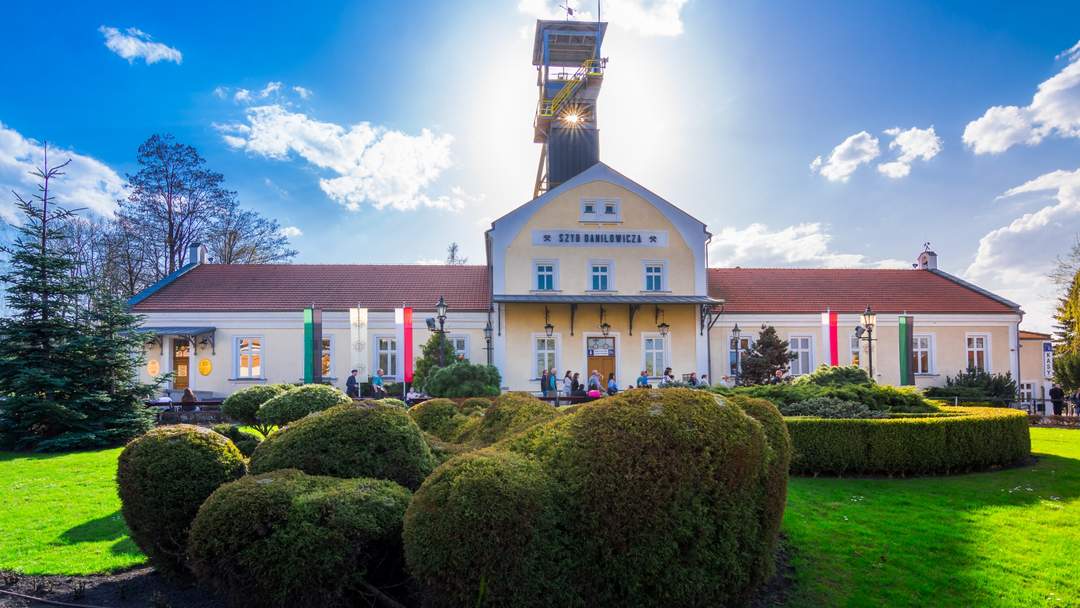
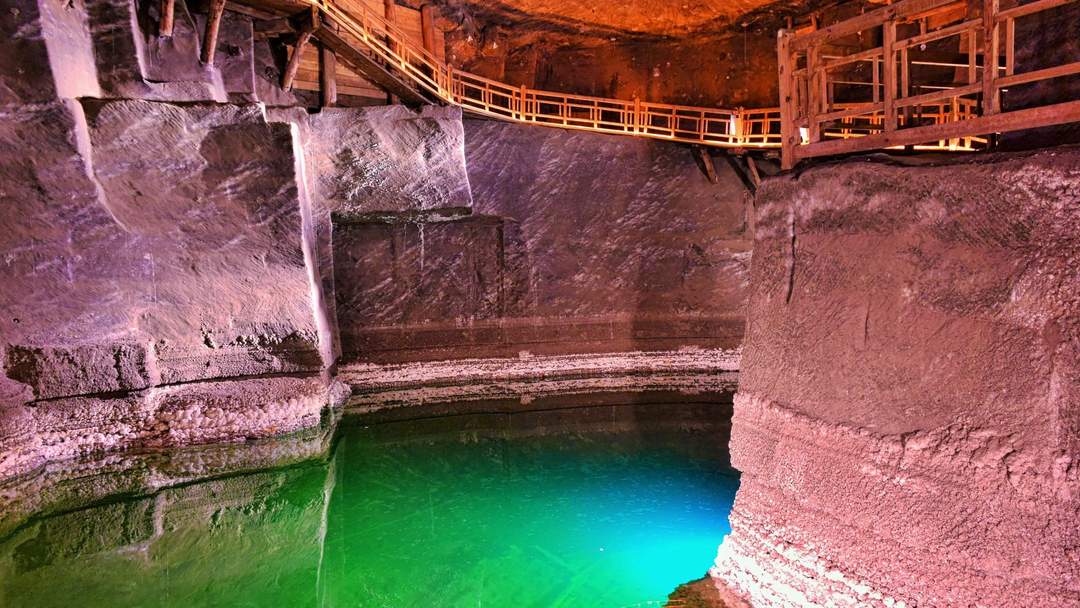
Take a half-day guided tour from Krakow to the famous Wieliczka Salt Mine – one of the most unique and visited attractions in Poland.Travel in comfort with round-trip transport included, skip the queues with fast-track entry, and explore a stunning underground world carved entirely out of salt. Follow a local expert guide through 2.5 km of tunnels, salt lakes, chambers and chapels, including the breathtaking Chapel of St. Kinga. Feel the cool, mineral-rich air in this UNESCO-listed site and uncover 700 years of fascinating history, art and geology – all just a short drive from Krakow. Perfect for families, culture lovers and curious travellers looking for an unforgettable experience near Krakow.
Duration: 4h - 5hLive guideSkip-theLineTransportation included
Get your Wieliczka Salt Mine tickets in advance and skip the ticket office queues. This entry ticket with guided tour guarantees access to one of Poland’s most iconic UNESCO World Heritage Sites, with a local expert leading you through 2.5 km of underground chambers, tunnels and chapels – including the stunning Chapel of St. Kinga. Choose your language, select your tour date and preferred time, and enjoy a seamless experience without the stress of same-day availability or long lines.
Book online now to guarantee your entry to this unforgettable underground experience in Poland.
Duration: 3hLive guideSkip-theLineTransportation included
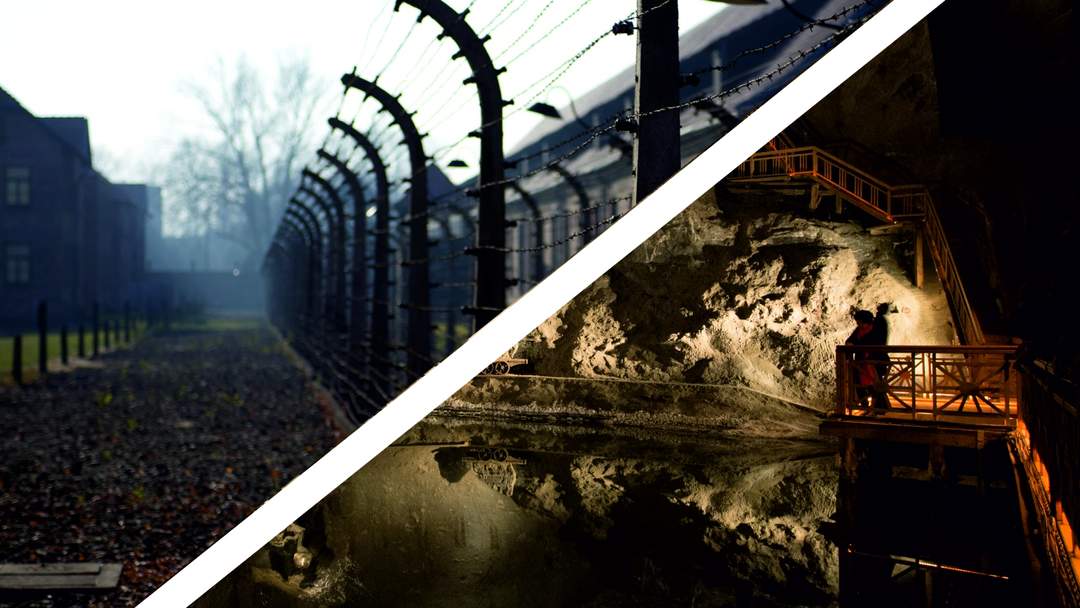
Maximize your time in Krakow with our specially curated 1 day tour, combining the essential visits to Auschwitz-Birkenau and Wieliczka Salt Mine. This one day adventure offers you a chance to experience two of Krakow's most significant and must-see locations: the historical Auschwitz Camp and the mesmerizing Salt Mine in Wieliczka. Our well organized tour ensures you don't miss out on what these sites have to offer, making your visit truly worthwhile. Book now to discover the best of Krakow in just one day trip!
Duration: 11hLive guideSkip-theLineTransportation included
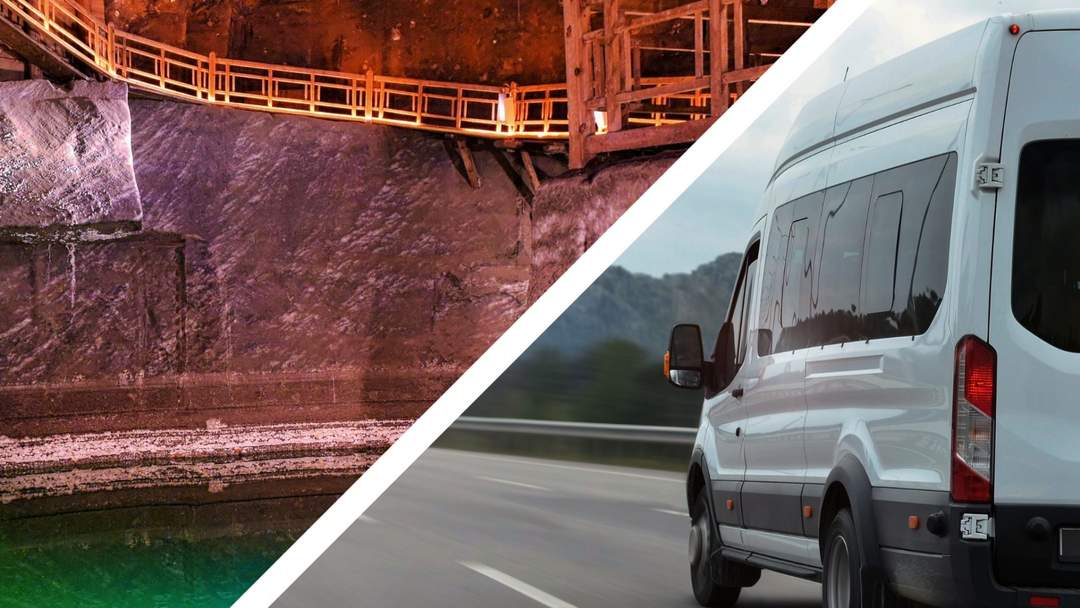
Book a private transfer from Krakow to Wieliczka Salt Mine and enjoy a smooth, comfortable journey without worrying about public transport or parking. Travel at your own pace and focus entirely on your underground experience.
Over time, salt wells evolved into deeper mines, with vertical shafts and horizontal tunnels. By the end of the Middle Ages, around 350 miners worked underground, producing up to 8,000 tons of salt per year – even though mining was still seasonal.
The mine quickly gained fame, attracting visitors even in the 15th century. Among the first was Nicolaus Copernicus, who toured the shafts in 1493.
This is what a medieval horse treadmill looked like
Wieliczka in Modern Times
In the 16th century, the mine transitioned to year-round operations. This period saw the creation of Poland’s first underground maps and the employment of new specialists. The welfare of miners was also prioritized – with bathhouses, medics, and shelters for their families. Notably, in 1697, Magdalena Bendzisławska became Poland’s first licensed female barber-surgeon.
The Wieliczka Salt Mine’s growing fame meant royal permission was eventually required for visits. Memories from early scientific expeditions have been preserved and studied to this day.
By the late 13th century, Wieliczka and nearby Bochnia were united under a royal enterprise known as the Kraków Żupy. Revenues from salt financed major institutions like the royal court and even the foundation of the Jagiellonian University.
Want to explore the mine’s mystical legends, from the tale of Saint Kinga to the demon-like Treasurer? Read more in our Legends of the Wieliczka Salt Mine article.
Underground chapel of St. Kinga in Wieliczka
Austrian Rule and New Innovations
Following the first partition of Poland in 1772, Austrian authorities modernized the mine and introduced a steam hoist, underground railways, and pneumatic drills. In 1868, the first tourist route was opened – complete with horse-drawn tours and dramatic events like the “devil’s ride”.
The salt mine became a symbol of Polish identity for those living under foreign rule, drawing many patriotic visitors.
Take a half-day guided tour from Krakow to the famous Wieliczka Salt Mine – one of the most unique and visited attractions in Poland.Travel in comfort with round-trip transport included, skip the queues with fast-track entry, and explore a stunning underground world carved entirely out of salt. Follow a local expert guide through 2.5 km of tunnels, salt lakes, chambers and chapels, including the breathtaking Chapel of St. Kinga. Feel the cool, mineral-rich air in this UNESCO-listed site and uncover 700 years of fascinating history, art and geology – all just a short drive from Krakow. Perfect for families, culture lovers and curious travellers looking for an unforgettable experience near Krakow.
Duration: 4h - 5hLive guideSkip-theLineTransportation included
Get your Wieliczka Salt Mine tickets in advance and skip the ticket office queues. This entry ticket with guided tour guarantees access to one of Poland’s most iconic UNESCO World Heritage Sites, with a local expert leading you through 2.5 km of underground chambers, tunnels and chapels – including the stunning Chapel of St. Kinga. Choose your language, select your tour date and preferred time, and enjoy a seamless experience without the stress of same-day availability or long lines.
Book online now to guarantee your entry to this unforgettable underground experience in Poland.
Duration: 3hLive guideSkip-theLineTransportation included
Maximize your time in Krakow with our specially curated 1 day tour, combining the essential visits to Auschwitz-Birkenau and Wieliczka Salt Mine. This one day adventure offers you a chance to experience two of Krakow's most significant and must-see locations: the historical Auschwitz Camp and the mesmerizing Salt Mine in Wieliczka. Our well organized tour ensures you don't miss out on what these sites have to offer, making your visit truly worthwhile. Book now to discover the best of Krakow in just one day trip!
Duration: 11hLive guideSkip-theLineTransportation included
Book a private transfer from Krakow to Wieliczka Salt Mine and enjoy a smooth, comfortable journey without worrying about public transport or parking. Travel at your own pace and focus entirely on your underground experience.
In the 20th century, technological improvements continued. During WWII, the mine remained operational under Nazi control, and thanks to its industrial value, it was not destroyed.
However, excessive post-war exploitation near historic chambers destabilized parts of the mine. By the 1990s, production ceased and safety works intensified.
In 1976, the mine was listed as a Polish historic monument, and in 1978 it became one of the first UNESCO World Heritage Sites.
Brine graduation tower
Plan Your Visit
Over 1 million people visit the Wieliczka Salt Mine each year. The journey underground is more than just a walk through tunnels – it’s a glimpse into the centuries of Polish history carved in salt.
Get your Wieliczka Salt Mine tickets in advance and skip the ticket office queues. This entry ticket with guided tour guarantees access to one of Poland’s most iconic UNESCO World Heritage Sites, with a local expert leading you through 2.5 km of underground chambers, tunnels and chapels – including the stunning Chapel of St. Kinga. Choose your language, select your tour date and preferred time, and enjoy a seamless experience without the stress of same-day availability or long lines.
Book online now to guarantee your entry to this unforgettable underground experience in Poland.
Duration: 3hLive guideSkip-theLineTransportation included
Maximize your time in Krakow with our specially curated 1 day tour, combining the essential visits to Auschwitz-Birkenau and Wieliczka Salt Mine. This one day adventure offers you a chance to experience two of Krakow's most significant and must-see locations: the historical Auschwitz Camp and the mesmerizing Salt Mine in Wieliczka. Our well organized tour ensures you don't miss out on what these sites have to offer, making your visit truly worthwhile. Book now to discover the best of Krakow in just one day trip!
Duration: 11hLive guideSkip-theLineTransportation included
Take a half-day guided tour from Krakow to the famous Wieliczka Salt Mine – one of the most unique and visited attractions in Poland.Travel in comfort with round-trip transport included, skip the queues with fast-track entry, and explore a stunning underground world carved entirely out of salt. Follow a local expert guide through 2.5 km of tunnels, salt lakes, chambers and chapels, including the breathtaking Chapel of St. Kinga. Feel the cool, mineral-rich air in this UNESCO-listed site and uncover 700 years of fascinating history, art and geology – all just a short drive from Krakow. Perfect for families, culture lovers and curious travellers looking for an unforgettable experience near Krakow.
Duration: 4h - 5hLive guideSkip-theLineTransportation included
Book a private transfer from Krakow to Wieliczka Salt Mine and enjoy a smooth, comfortable journey without worrying about public transport or parking. Travel at your own pace and focus entirely on your underground experience.









 Duration: 4h - 5h
 Live guide
 Skip-theLine
 Transportation included