Explore UNESCO sites in Krakow and nearby – Old Town, Auschwitz, Salt Mines, Kalwaria Zebrzydowska, and more. See why this region is truly unique.
April 1, 2025
From the Old Town to the Salt Mine – Krakow’s UNESCO Heritage
Krakow is a city of remarkable history and beauty, but did you know that the Old Town was one of the first twelve sites in the world to be added to the UNESCO World Heritage List in 1978? It’s not the only UNESCO gem in the region. If you're planning your visit to Krakow and want to understand what makes this area so unique on the global map of cultural heritage, this article is for you.
Let’s explore the UNESCO-listed places in and around Krakow — all of which are worth discovering with your own eyes.
Krakow’s Historic Centre: The Old Town, Wawel Hill, and Kazimierz
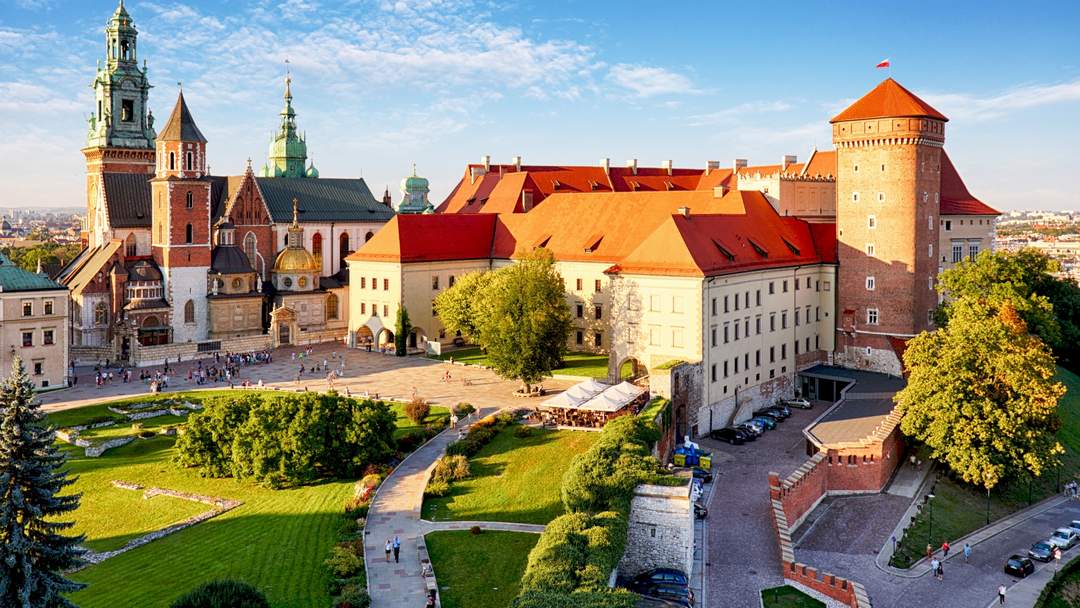
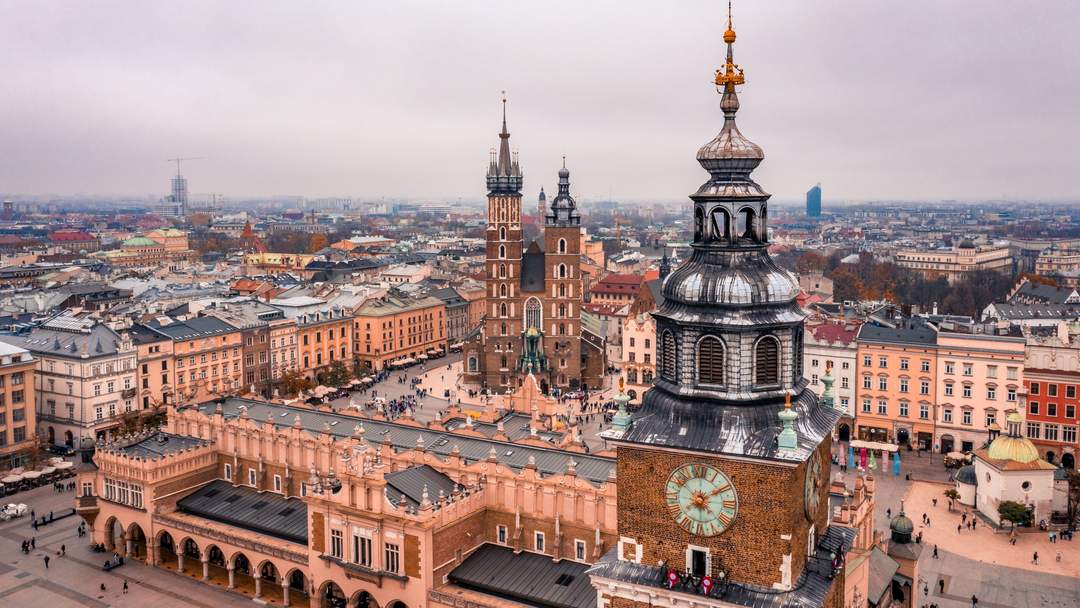
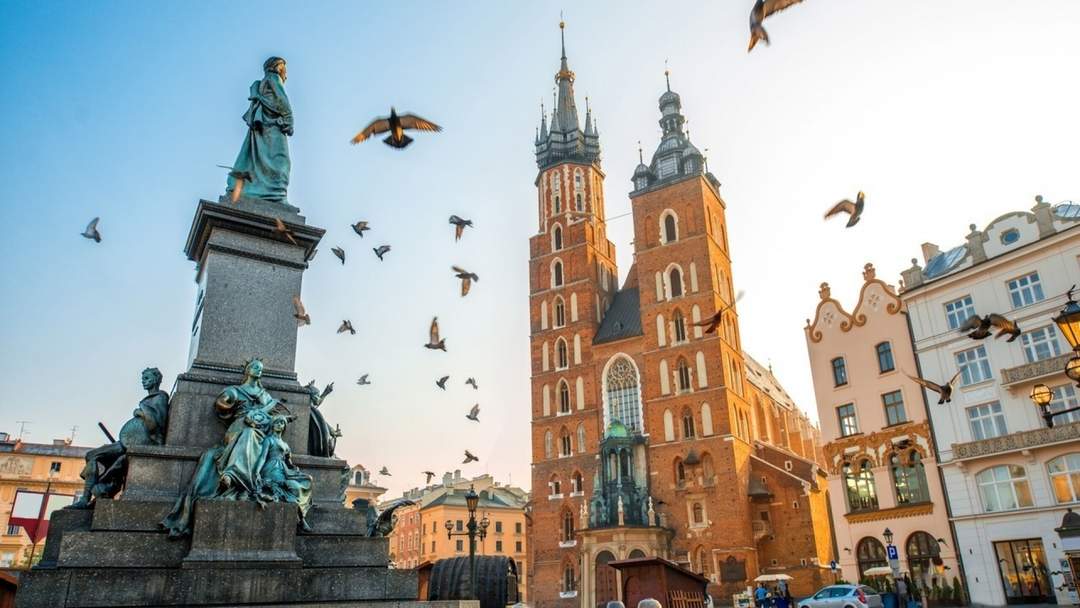
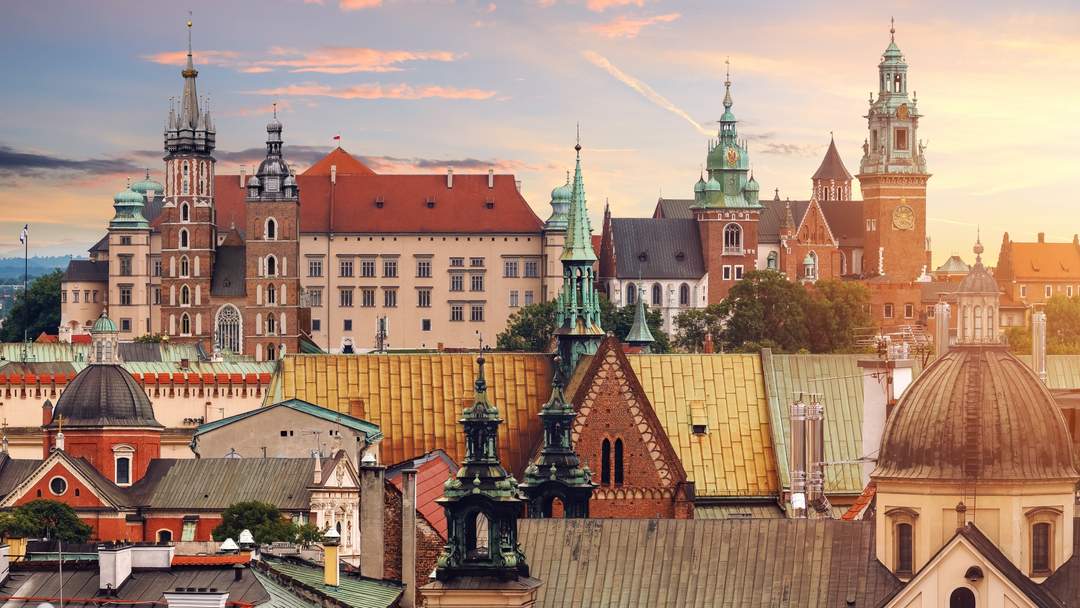
Krakow’s historic core is a masterpiece of urban continuity. It includes the Royal Wawel Castle, the perfectly preserved Old Town with its medieval street layout, and Kazimierz — the former Jewish district full of synagogues, narrow lanes, and living heritage.
Each of these areas reflects centuries of cultural and religious coexistence. You can stroll along the Royal Route, stand in awe inside St. Mary’s Basilica, or explore Wawel Cathedral and learn about Poland’s kings.
Wawel Castle seen from the Vistula River bank on a sunny day
Wieliczka Salt Mine
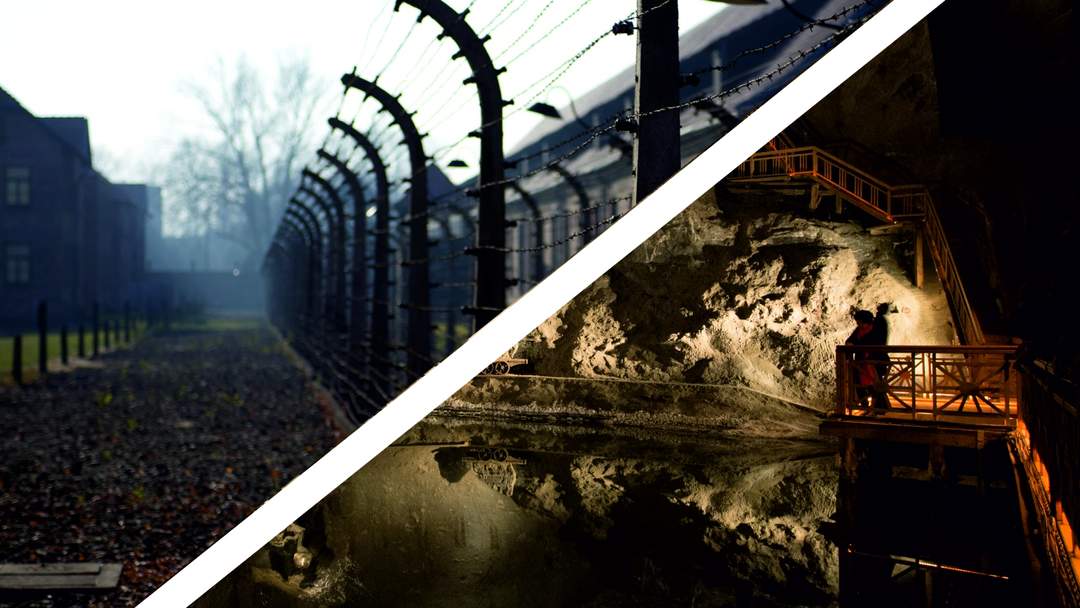
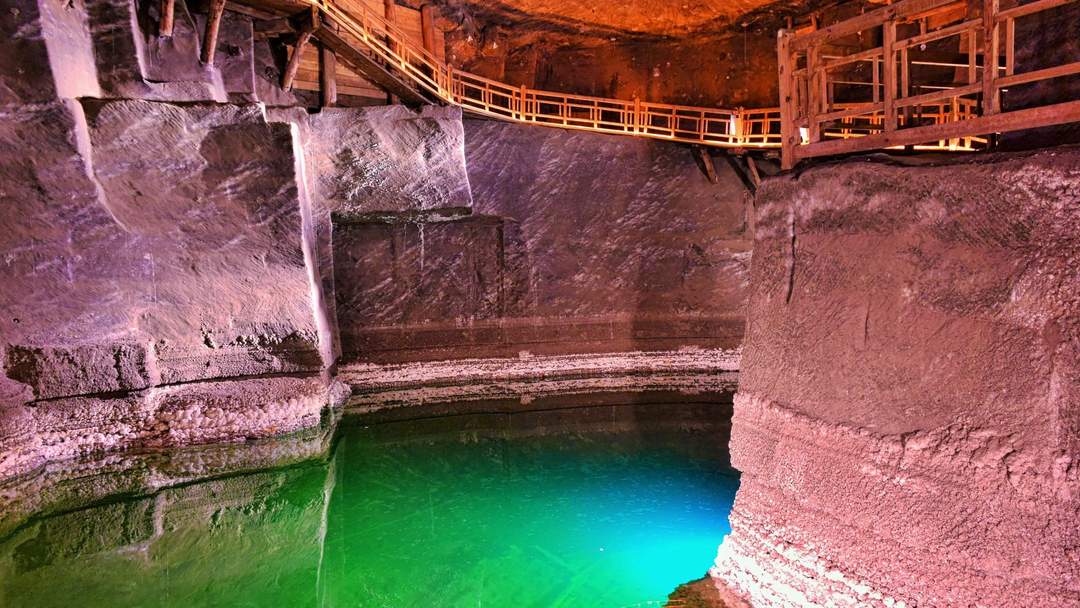
One of Poland’s most iconic sites, the Wieliczka Salt Mine combines history, geology, art, and spirituality. Listed by UNESCO in 1978, this underground world stretches over 300 km in total length (though only a small part is open to visitors). During your visit, you’ll see vast salt chambers, sculptures, chapels carved from salt, and even underground lakes.
The mine lies just 20 minutes from Krakow and is accessible by public transport or organized tours. It’s especially popular among families, history lovers, and those looking for something truly unforgettable.
St. Kinga's Chapel carved in salt inside the Wieliczka Salt Mine
Bochnia Salt Mine
Often described as Wieliczka’s lesser-known “sister,” the Bochnia Salt Mine is the oldest in Poland, operating continuously since the 13th century. It offers a quieter, more intimate experience — but with a strong focus on history and atmosphere.
A major attraction is the underground boat ride, and for the more adventurous, there's even the option to sleep in the mine. It’s less crowded than Wieliczka but equally rich in heritage.
Take a half-day guided tour from Krakow to the famous Wieliczka Salt Mine – one of the most unique and visited attractions in Poland.Travel in comfort with round-trip transport included, skip the queues with fast-track entry, and explore a stunning underground world carved entirely out of salt. Follow a local expert guide through 2.5 km of tunnels, salt lakes, chambers and chapels, including the breathtaking Chapel of St. Kinga. Feel the cool, mineral-rich air in this UNESCO-listed site and uncover 700 years of fascinating history, art and geology – all just a short drive from Krakow. Perfect for families, culture lovers and curious travellers looking for an unforgettable experience near Krakow.
Duration: 4h - 5hLive guideSkip-theLineTransportation included
Walk in the footsteps of history on a professionally guided visit to Auschwitz-Birkenau – one of the most important memorial sites in the world. Departing from Krakow, this all-inclusive tour offers powerful insight, respectful reflection, and seamless logistics, so you can focus on what truly matters. Led by a licensed guide, you'll visit both Auschwitz I and Auschwitz II-Birkenau and return with a deeper understanding of the past. Whether travelling solo or with others, this tour is trusted by thousands every year for its emotional impact and flawless organisation.
Duration: 7hLive guideSkip-theLineTransportation included
Explore Wawel Castle in Krakow from the outside and understand its history, architecture, and royal significance during a relaxed self-guided walk with a professional audio guide. This tour focuses on Wawel Hill and the castle grounds, offering clear historical context before visiting the castle interiors or booking Wawel Castle tickets.
Once the former residence of Polish kings, Wawel Castle remains one of the most important landmarks in Poland. This audio tour helps you experience the site with deeper understanding – without rushing, crowds, or fixed schedules – making it an ideal introduction to any Wawel Castle visit.
Explore Krakow’s Old Town at your own pace with a professionally prepared audio guide. This self-guided walking tour takes you through the most important sites of the historic centre, including Krakow’s Main Square and its surrounding streets. Listen to engaging commentary filled with history, fascinating facts, legends and local trivia – an ideal introduction to Krakow for first-time visitors and independent travellers.
This private day trip from Krakow combines history, biography, and cultural heritage in southern Poland. Visit Wadowice, the hometown of Pope John Paul II, and explore Kalwaria Zebrzydowska, a unique UNESCO World Heritage Site set within a remarkable landscape.
The tour offers insight into the early life of one of the most influential figures of the 20th century, alongside time spent at one of Poland’s most significant cultural and spiritual landmarks.
Explore Krakow on a guided city tour with a licensed local guide. Walk through the city’s most iconic districts, such as the Old Town or Kazimierz, and learn about their history through engaging stories and reliable historical insights. This tour is a perfect introduction to Krakow, offering both famous landmarks and lesser-known places explained by a professional guide who is happy to answer your questions.
Duration: 2h - 3hLive guideSkip-theLineTransportation included
Explore Krakow in a fast, comfortable, and eco-friendly way with a Krakow City Tour by electric golf cart. This sightseeing tour is a great introduction to the city, especially for first-time visitors or travellers with limited time who want to see the highlights without long walks.
During the ride, you will explore key areas of Krakow, including the Old Town surroundings, Kazimierz – the historic Jewish district, and parts of Podgórze, where the famous Schindler’s Factory was located. A professionally prepared audio guide provides historical context and helps you understand the city’s past and character.
This electric car tour allows you to see more in less time while staying comfortable in all weather conditions, making it an easy and practical way to start exploring Krakow.
Duration: 1h - 2hAudio GuideTransportation included
Kalwaria Zebrzydowska – Mannerist Architectural and Landscape Park
This pilgrimage site, just 40 km from Krakow, is a rare combination of natural beauty, religious devotion, and architectural vision. Established in the early 17th century, it was designed as a symbolic recreation of Jerusalem’s topography.
The park includes a basilica, a monastery, and a network of chapels scattered across hills and valleys, used during the famous Passion plays. Whether you’re religious or simply appreciate quiet beauty, Kalwaria is worth the trip.
Auschwitz-Birkenau Memorial and Museum
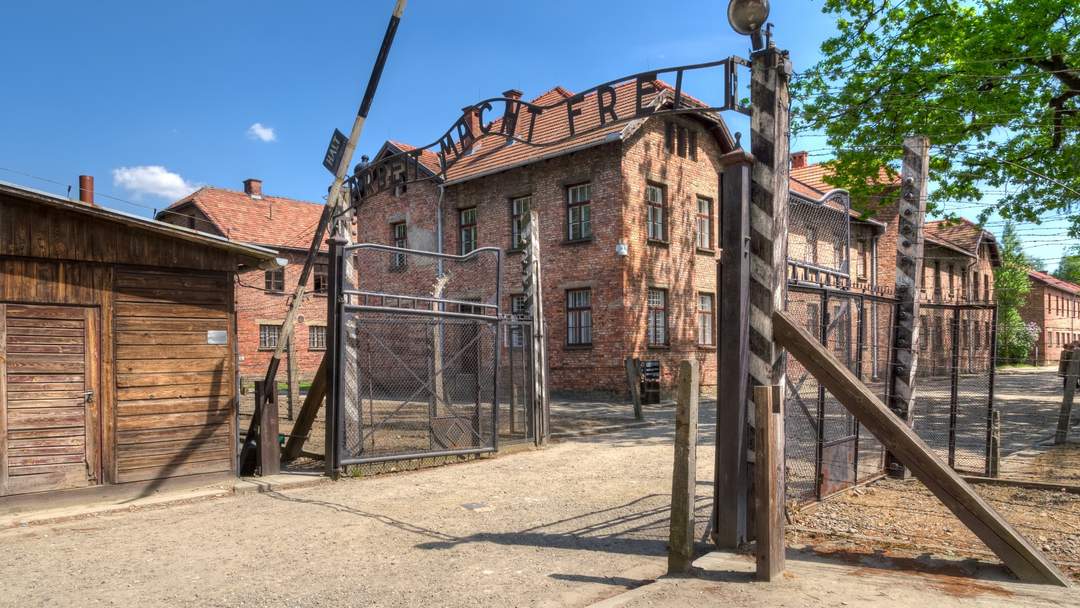
Located about 70 km west of Krakow, Auschwitz-Birkenau is a UNESCO World Heritage Site that stands as a symbol of the Holocaust and a stark reminder of the atrocities of World War II.
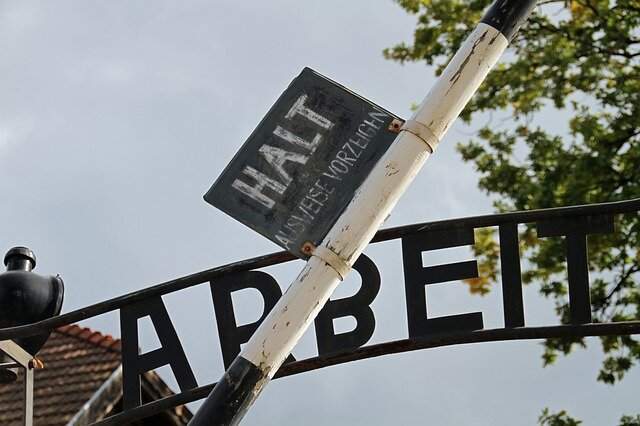
The former Nazi German concentration and extermination camp is preserved as a museum and memorial. Visitors can walk through barracks, gas chambers, crematoria ruins, and the haunting Gate of Death. A visit here is not easy — but it is necessary.
Main entrance gate to Auschwitz II-Birkenau with railway tracks leading inside the camp
Wooden Churches of Southern Lesser Poland
Another unique entry on the UNESCO World Heritage List includes a collection of wooden Roman Catholic churches and Orthodox tserkvas built between the 15th and 18th centuries. Scattered across the Małopolska and Podkarpacie regions, these churches are masterpieces of traditional timber architecture and religious heritage.
While many of them are located far from Krakow, a few can be reached on a day trip or as part of a longer itinerary. The most stunning examples include:
Church of St. Michael the Archangel in Dębno Podhalańskie – a small, dark-wood church with an interior painted in vivid, folk-style colours.
Church of St. Leonard in Lipnica Murowana – featuring original 15th-century furnishings and remarkable polychrome décor.
Church of St. Philip and St. James in Sękowa – built in 1520, known for its tall shingled roof and tranquil surroundings.
Church of St. Michael the Archangel in Binarowa – rich in original decorations and considered one of the oldest wooden churches in Poland.
These churches offer a peaceful contrast to the busier landmarks and are perfect for those seeking hidden gems full of history and soul.
Take a half-day guided tour from Krakow to the famous Wieliczka Salt Mine – one of the most unique and visited attractions in Poland.Travel in comfort with round-trip transport included, skip the queues with fast-track entry, and explore a stunning underground world carved entirely out of salt. Follow a local expert guide through 2.5 km of tunnels, salt lakes, chambers and chapels, including the breathtaking Chapel of St. Kinga. Feel the cool, mineral-rich air in this UNESCO-listed site and uncover 700 years of fascinating history, art and geology – all just a short drive from Krakow. Perfect for families, culture lovers and curious travellers looking for an unforgettable experience near Krakow.
Duration: 4h - 5hLive guideSkip-theLineTransportation included
Walk in the footsteps of history on a professionally guided visit to Auschwitz-Birkenau – one of the most important memorial sites in the world. Departing from Krakow, this all-inclusive tour offers powerful insight, respectful reflection, and seamless logistics, so you can focus on what truly matters. Led by a licensed guide, you'll visit both Auschwitz I and Auschwitz II-Birkenau and return with a deeper understanding of the past. Whether travelling solo or with others, this tour is trusted by thousands every year for its emotional impact and flawless organisation.
Duration: 7hLive guideSkip-theLineTransportation included
Explore Wawel Castle in Krakow from the outside and understand its history, architecture, and royal significance during a relaxed self-guided walk with a professional audio guide. This tour focuses on Wawel Hill and the castle grounds, offering clear historical context before visiting the castle interiors or booking Wawel Castle tickets.
Once the former residence of Polish kings, Wawel Castle remains one of the most important landmarks in Poland. This audio tour helps you experience the site with deeper understanding – without rushing, crowds, or fixed schedules – making it an ideal introduction to any Wawel Castle visit.
Explore Krakow’s Old Town at your own pace with a professionally prepared audio guide. This self-guided walking tour takes you through the most important sites of the historic centre, including Krakow’s Main Square and its surrounding streets. Listen to engaging commentary filled with history, fascinating facts, legends and local trivia – an ideal introduction to Krakow for first-time visitors and independent travellers.
This private day trip from Krakow combines history, biography, and cultural heritage in southern Poland. Visit Wadowice, the hometown of Pope John Paul II, and explore Kalwaria Zebrzydowska, a unique UNESCO World Heritage Site set within a remarkable landscape.
The tour offers insight into the early life of one of the most influential figures of the 20th century, alongside time spent at one of Poland’s most significant cultural and spiritual landmarks.
Explore Krakow on a guided city tour with a licensed local guide. Walk through the city’s most iconic districts, such as the Old Town or Kazimierz, and learn about their history through engaging stories and reliable historical insights. This tour is a perfect introduction to Krakow, offering both famous landmarks and lesser-known places explained by a professional guide who is happy to answer your questions.
Duration: 2h - 3hLive guideSkip-theLineTransportation included
Explore Krakow in a fast, comfortable, and eco-friendly way with a Krakow City Tour by electric golf cart. This sightseeing tour is a great introduction to the city, especially for first-time visitors or travellers with limited time who want to see the highlights without long walks.
During the ride, you will explore key areas of Krakow, including the Old Town surroundings, Kazimierz – the historic Jewish district, and parts of Podgórze, where the famous Schindler’s Factory was located. A professionally prepared audio guide provides historical context and helps you understand the city’s past and character.
This electric car tour allows you to see more in less time while staying comfortable in all weather conditions, making it an easy and practical way to start exploring Krakow.
Duration: 1h - 2hAudio GuideTransportation included
Absolutely. Krakow’s UNESCO sites tell a deep and varied story — from royal splendour to spiritual devotion, from architectural genius to the darkest chapters of human history. Whether you’re wandering Krakow’s cobbled streets or descending deep underground, you’ll experience something unforgettable.
Planning to explore more around Krakow? Wieliczka is just one of many fascinating places near the city. Whether you’re into history, nature, or architecture – the surrounding region is full of treasures worth discovering.
Explore Krakow in a fast, comfortable, and eco-friendly way with a Krakow City Tour by electric golf cart. This sightseeing tour is a great introduction to the city, especially for first-time visitors or travellers with limited time who want to see the highlights without long walks.
During the ride, you will explore key areas of Krakow, including the Old Town surroundings, Kazimierz – the historic Jewish district, and parts of Podgórze, where the famous Schindler’s Factory was located. A professionally prepared audio guide provides historical context and helps you understand the city’s past and character.
This electric car tour allows you to see more in less time while staying comfortable in all weather conditions, making it an easy and practical way to start exploring Krakow.
Duration: 1h - 2hAudio GuideTransportation included
Walk in the footsteps of history on a professionally guided visit to Auschwitz-Birkenau – one of the most important memorial sites in the world. Departing from Krakow, this all-inclusive tour offers powerful insight, respectful reflection, and seamless logistics, so you can focus on what truly matters. Led by a licensed guide, you'll visit both Auschwitz I and Auschwitz II-Birkenau and return with a deeper understanding of the past. Whether travelling solo or with others, this tour is trusted by thousands every year for its emotional impact and flawless organisation.
Duration: 7hLive guideSkip-theLineTransportation included
Maximize your time in Krakow with our specially curated 1 day tour, combining the essential visits to Auschwitz-Birkenau and Wieliczka Salt Mine. This one day adventure offers you a chance to experience two of Krakow's most significant and must-see locations: the historical Auschwitz Camp and the mesmerizing Salt Mine in Wieliczka. Our well organized tour ensures you don't miss out on what these sites have to offer, making your visit truly worthwhile. Book now to discover the best of Krakow in just one day trip!
Duration: 11hLive guideSkip-theLineTransportation included
Take a half-day guided tour from Krakow to the famous Wieliczka Salt Mine – one of the most unique and visited attractions in Poland.Travel in comfort with round-trip transport included, skip the queues with fast-track entry, and explore a stunning underground world carved entirely out of salt. Follow a local expert guide through 2.5 km of tunnels, salt lakes, chambers and chapels, including the breathtaking Chapel of St. Kinga. Feel the cool, mineral-rich air in this UNESCO-listed site and uncover 700 years of fascinating history, art and geology – all just a short drive from Krakow. Perfect for families, culture lovers and curious travellers looking for an unforgettable experience near Krakow.
Duration: 4h - 5hLive guideSkip-theLineTransportation included
Explore Krakow on a guided city tour with a licensed local guide. Walk through the city’s most iconic districts, such as the Old Town or Kazimierz, and learn about their history through engaging stories and reliable historical insights. This tour is a perfect introduction to Krakow, offering both famous landmarks and lesser-known places explained by a professional guide who is happy to answer your questions.
Duration: 2h - 3hLive guideSkip-theLineTransportation included
Explore Krakow’s Old Town at your own pace with a professionally prepared audio guide. This self-guided walking tour takes you through the most important sites of the historic centre, including Krakow’s Main Square and its surrounding streets. Listen to engaging commentary filled with history, fascinating facts, legends and local trivia – an ideal introduction to Krakow for first-time visitors and independent travellers.
Discover the rich history and cultural heritage of the Jewish Quarter of Krakow with a carefully prepared audio guide for independent sightseeing. This self-guided walking tour takes you through Kazimierz – the historic Jewish district – allowing you to explore its streets, stories and atmosphere at your own pace.
Kazimierz lies just a short walk from Krakow’s Old Town and is a place where the city’s past and present meet. Through narration and historical context, the audio guide introduces the history of the Jewish community, their contribution to the city, and the lasting impact of World War II on this remarkable district.










 Duration: 4h - 5h
 Live guide
 Skip-theLine
 Transportation included